





St Andrew’s Day (Scotland’s National Day) 2026 – Nationwide, Scotland
Overview
St Andrew’s Day is Scotland’s official national day, held every year on November 30th to honor the country’s patron saint. As a statutory bank holiday, it marks the grand opening of Scotland’s Winter Festivals, which also include Hogmanay and Burns Night. Across the country, the day is a vibrant celebration of Scottish identity, heritage, and community spirit, characterized by the proud flying of the Saltire flag from public buildings and homes alike.
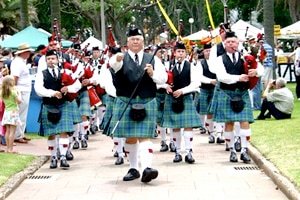
The festivities are a blend of ancient tradition and modern cultural expression, featuring massive outdoor ceilidhs, torchlight processions, and street markets. In major cities like Edinburgh and Glasgow, the atmosphere is electric with live traditional music, while the historic town of St Andrews in Fife often hosts a week-long “Hooley” featuring pipe bands and fireworks. It is a day when the spirit of “kith and kin” comes to the forefront, as locals and visitors gather to share in the nation’s rich history.
Beyond the public spectacles, St Andrew’s Day is a time for reflection on Scottish values such as kindness and hospitality. Many historic sites, including iconic castles and museums managed by Historic Environment Scotland, frequently open their doors with special offers or free admission to encourage people to explore their roots. Whether through a high-energy dance in a city square or a quiet traditional meal at home, the day serves as a powerful reminder of Scotland’s enduring global influence and cultural pride.
Enjoy Your Event Stress-Free with Euro Travelo
Planning a trip to attend a festival, concert, or business event in Europe can be overwhelming—tickets, travel, accommodation, and local logistics all take time and effort. Euro Travelo makes it simple by providing everything you need through one trusted company. You save time, avoid stress, and enjoy a seamless experience from start to finish.
Event Highlights
- The Big Hoolie: A massive outdoor celebration in the town of St Andrews featuring a torchlight parade, live music stages, and a spectacular firework display over West Sands.
- Castle of Light: Edinburgh Castle is transformed with stunning light installations and projection mapping, often offering special discounted entry for the national holiday.
- Massive Street Ceilidhs: Public squares in Glasgow and Edinburgh host large-scale traditional dances where hundreds of people join hands for “Strip the Willow” and other classic reels.
- Historic Open Days: Many of Scotland’s most famous landmarks and museums provide free or heavily discounted access to the public to celebrate the nation’s heritage.
Why Attend
This is the perfect day to immerse yourself in the authentic heart of Scottish culture. If you have ever wanted to experience a traditional ceilidh or hear the roar of a massed pipe band, St Andrew’s Day provides the most welcoming and spirited atmosphere to do so. It is a nationwide party where the “welcome” (fàilte) is extended to everyone, making it an ideal time for international visitors to feel like locals.
Food enthusiasts and history buffs should attend to sample traditional cuisine like Cullen Skink and haggis while exploring the legends of the Saltire. The event offers a unique “bridge” between the autumn and the festive winter season, providing a high-energy cultural experience before the Christmas rush. For those of Scottish descent, it is a significant opportunity to reconnect with ancestral traditions in the very places where those stories began.
Date & Duration
- Dates: Monday, November 30, 2026.
- Duration: Events run throughout the day and late into the evening; some city festivals last for an entire week leading up to the 30th.
Visiting this event? Don’t miss out on these amazing activities and local experiences while you’re here.
Ticket Information
- How Tickets Are Sold: Many street events and parades are free to attend; however, specific gala dinners, concerts, and “Castle of Light” sessions require tickets purchased via official event websites.
- Admission Type: A mix of free public access, “Pay What You Can” community events, and ticketed premium shows.
- Ticket Pricing: Paid concert and event tickets typically range from $13 to $55 depending on the venue and lineup.
- Price Range: Minimum prices start at $0 (Free events), while formal black-tie dinners or premium concerts can reach a maximum of approximately $140.
- Special Seating or VIP Options: Historic Environment Scotland often provides a special $13 (£10) ticket offer for “Castle of Light” specifically for St Andrew’s Day visitors.
Venue / Location
- City and Country: Nationwide, Scotland (Key hubs in St Andrews, Edinburgh, and Glasgow).
- Venue: Multiple locations including Edinburgh Castle, Caird Hall, and St Andrews Town Centre.
- Google Maps Address: Castlehill, Edinburgh EH1 2NG, United Kingdom.
Worried about accommodation? Hotels near this event sell out quickly, and prices tend to rise fast. Check out these accommodation options:
Booking with Euro Travelo
Looking to attend this event hassle-free? Euro Travelo can help you secure tickets, arrange travel, and manage your trip from start to finish. Whether it’s a business conference, trade show, or cultural festival, our team makes it easy for international visitors to join events across Europe. Contact Euro Travelo today to book your tickets and travel arrangements.
Contact Information
- Email: info@visitscotland.com
- Phone: +44 131 472 2222
- Website: www.scotland.org/events/st-andrews-day
- Social Media: @VisitScotland on Instagram, Twitter, and Facebook.
Getting There
- Nearest Airports: Edinburgh Airport (EDI) and Glasgow Airport (GLA) provide the best access to the main celebration hubs.
- Public Transport: ScotRail provides frequent “Intercity” links between all major celebration towns; extra services often run for the winter festivals.
- Taxi/Rideshare: Readily available in all cities; a trip across Edinburgh or Glasgow usually costs between $15 and $30.
- Parking: City center parking is very limited; use “Park and Ride” facilities like Ingliston (Edinburgh) or Shields Road (Glasgow) for around $10/day.
- Other Access: Walking is the best way to enjoy the street atmosphere in Edinburgh’s Old Town or the historic center of St Andrews.
Accommodation Options
- Luxury Hotels: The Witchery by the Castle (5-star, 0.1 km from Edinburgh Castle, gothic luxury, $400-800/night); Old Course Hotel St Andrews (5-star, 0.5 km, iconic views, $350-600/night).
- Mid-Range Options: Motel One Edinburgh-Royal (3-star, 0.3 km, stylish and central, $120-190/night); Hotel Indigo Glasgow (4-star, 0.5 km, boutique style, $130-210/night).
- Budget Stays: Castle Rock Hostel Edinburgh (Hostel, 0.1 km, vibrant and social, $35-80/night); Ibis Styles St Andrews (3-star, 0.2 km, reliable and central, $90-150/night).
Attendee Experiences
- The torchlight procession in St Andrews was one of the most magical things I have ever seen.
- I didn’t know how to ceilidh dance but everyone was so helpful and it was the best fun ever.
- Seeing Edinburgh Castle lit up in blue and white while the pipers played was a real spine-tingling moment.
Tickets Sell Out
in Minutes
Maps
Contact
Video
FAQ's
Is St Andrew's Day a public holiday for everyone in Scotland?
While St Andrew's Day is an official bank holiday, it is not a mandatory day off for all workers. Banks and schools are often closed, but many private businesses remain open as usual. However, the Scottish Government encourages employers to recognize the day, and many cultural organizations offer their staff the day off to participate in the various nationwide festivities.
What is the traditional food for St Andrew's Day?
A traditional St Andrew’s Day feast usually starts with Cullen Skink, a creamy smoked haddock soup. The main course is almost always haggis, neeps (turnips), and tatties (potatoes), often served with a whisky cream sauce. For dessert, many Scots enjoy Cranachan—a mixture of whipped cream, oats, honey, raspberries, and a splash of malt whisky—or Clootie Dumpling, which is a spiced fruit pudding.
Why is the Scottish flag an 'X' shape?
The Scottish flag, known as the Saltire, features a white X-shaped cross on a blue background, representing the cross on which St Andrew was martyred. According to legend, in the 9th century, King Angus saw a white cross formed by clouds against the blue sky before a battle against the English. He took it as a sign from St Andrew and promised to make him the patron saint if they were victorious, which led to the flag's design.
Do I need to wear a kilt to attend the celebrations?
While you will see many people wearing kilts and tartan, there is absolutely no requirement to do so. The celebrations are inclusive, and most people wear casual, warm clothing—especially for outdoor events. If you want to join in the spirit, wearing a small piece of tartan, such as a scarf or tie, is a popular way for visitors to show their appreciation for the culture without a full Highland outfit.
Are the events in different cities the same?
No, each city and town offers a unique flavor of celebration. St Andrews focuses heavily on its historical connection to the saint with a week of parades and markets. Edinburgh tends to focus on its "Winter Festival" launch with light shows and theater, while Glasgow is famous for its massive indoor and outdoor music sessions and shindigs. Checking the specific local "Hooley" or festival program for the city you are visiting is highly recommended.