
Dance Open Festival – Russia (European side, St. Petersburg) 2026
Background & History
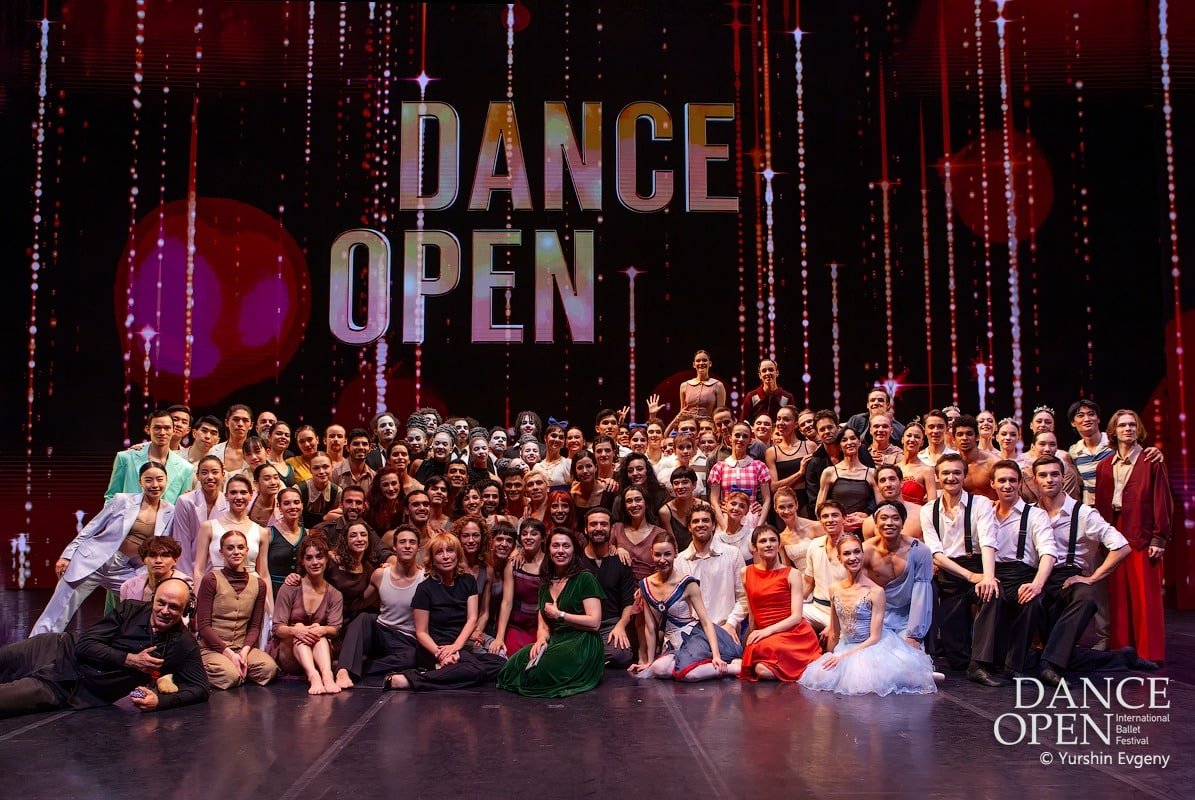
- Origins and Founding: The Dance Open International Ballet Festival, established in 2001 in St. Petersburg, Russia, was founded by the Association “Dance Open Festival” to showcase global ballet talent and foster cultural exchange. It began as a platform to bring international dance companies to Russia’s cultural capital, inspired by the city’s rich ballet heritage, home to the Mariinsky Theatre and Vaganova Academy.
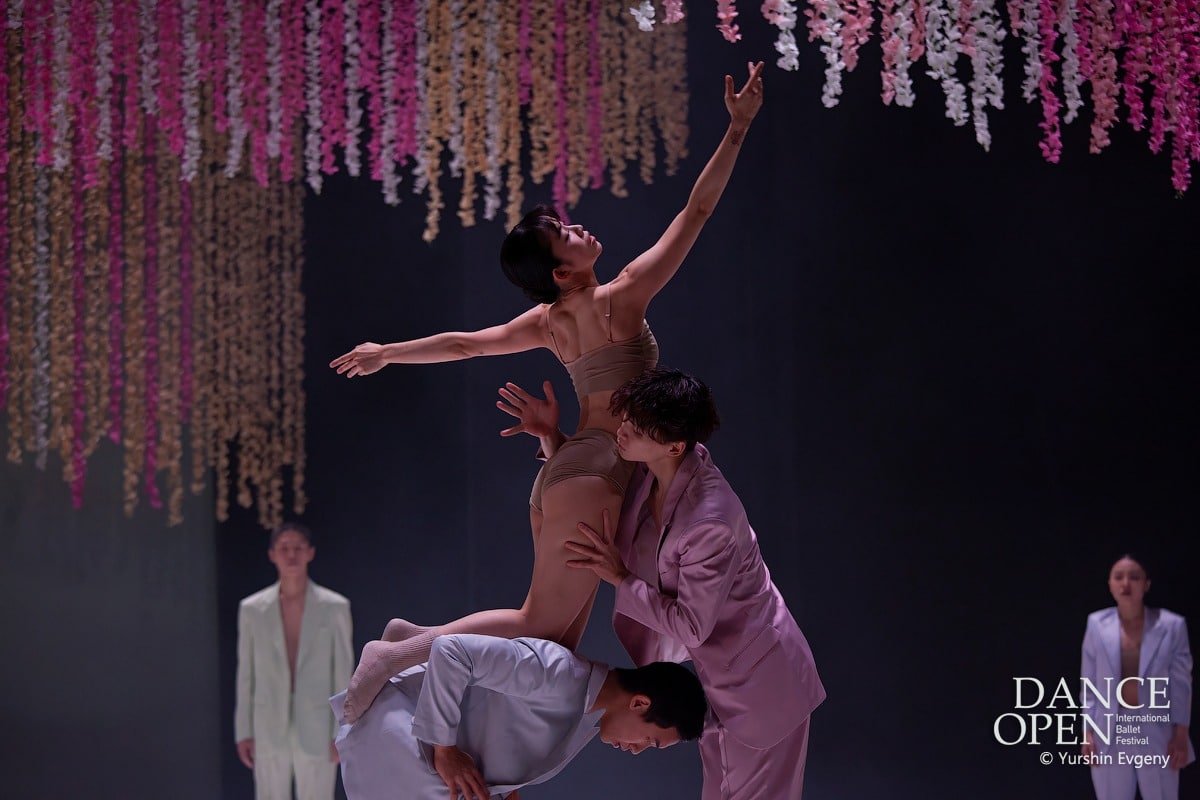
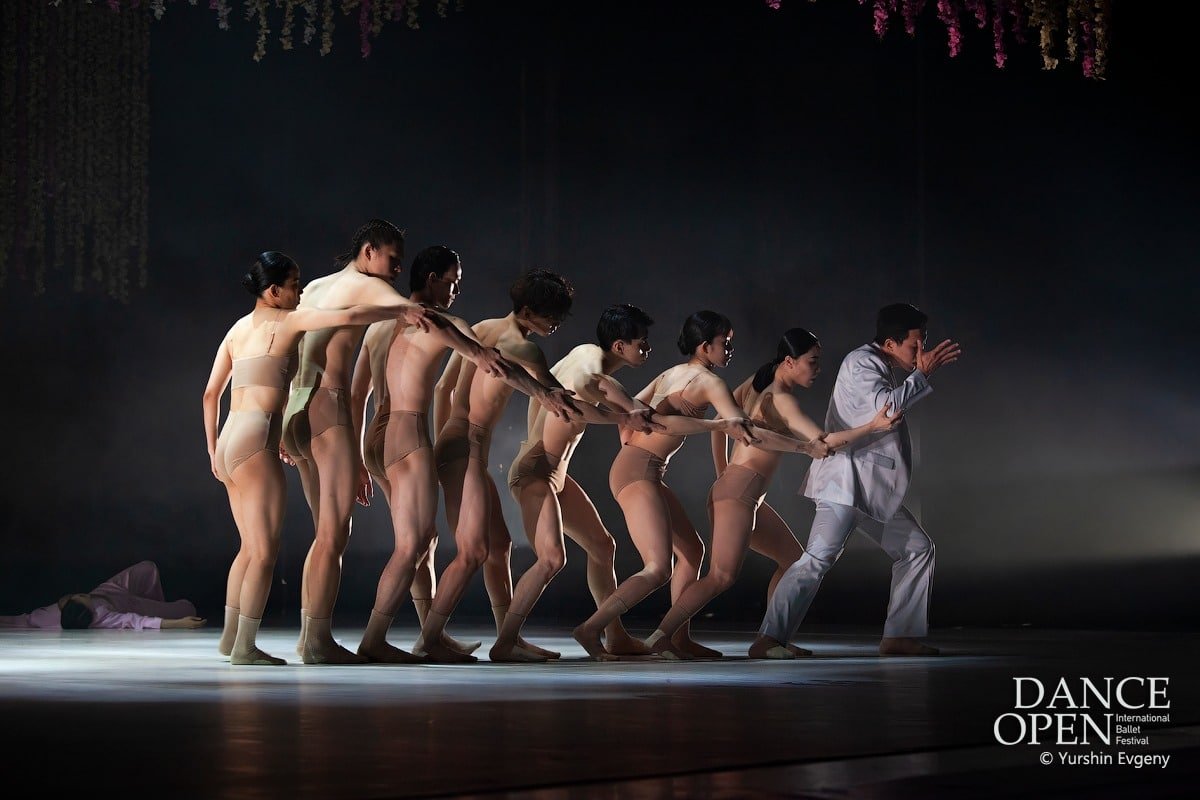
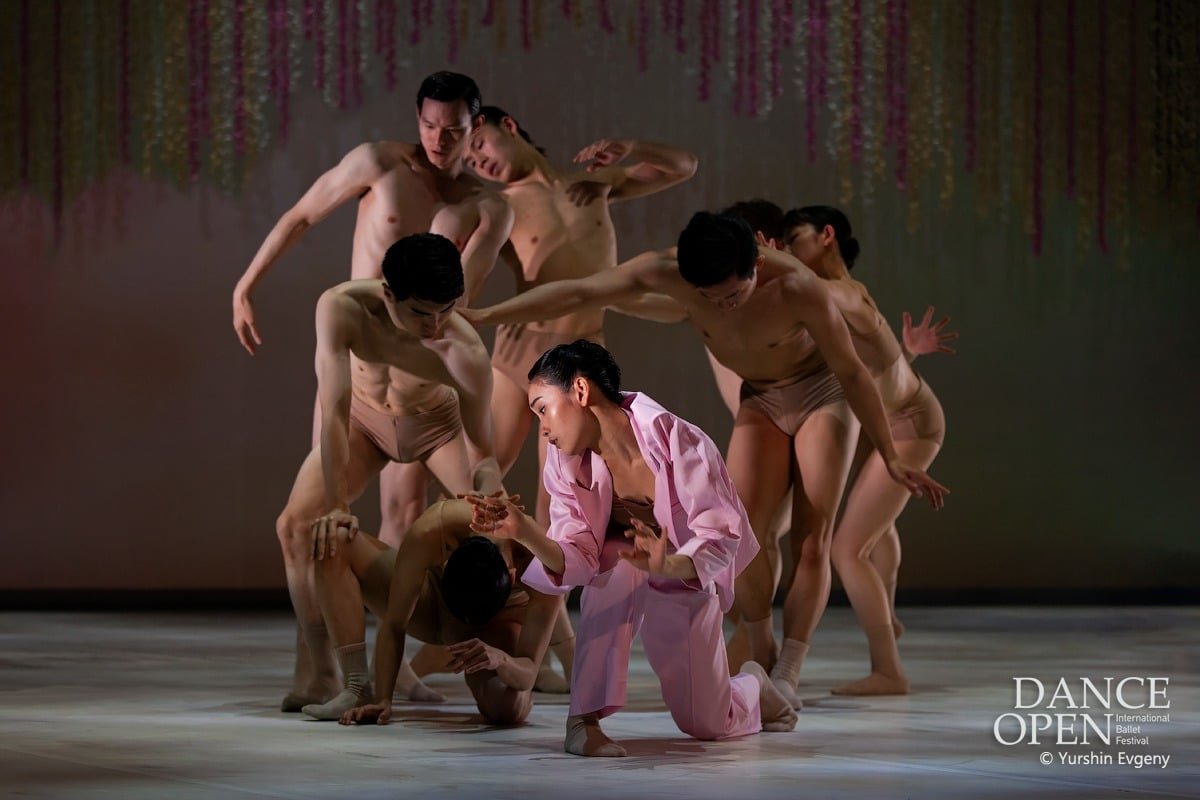
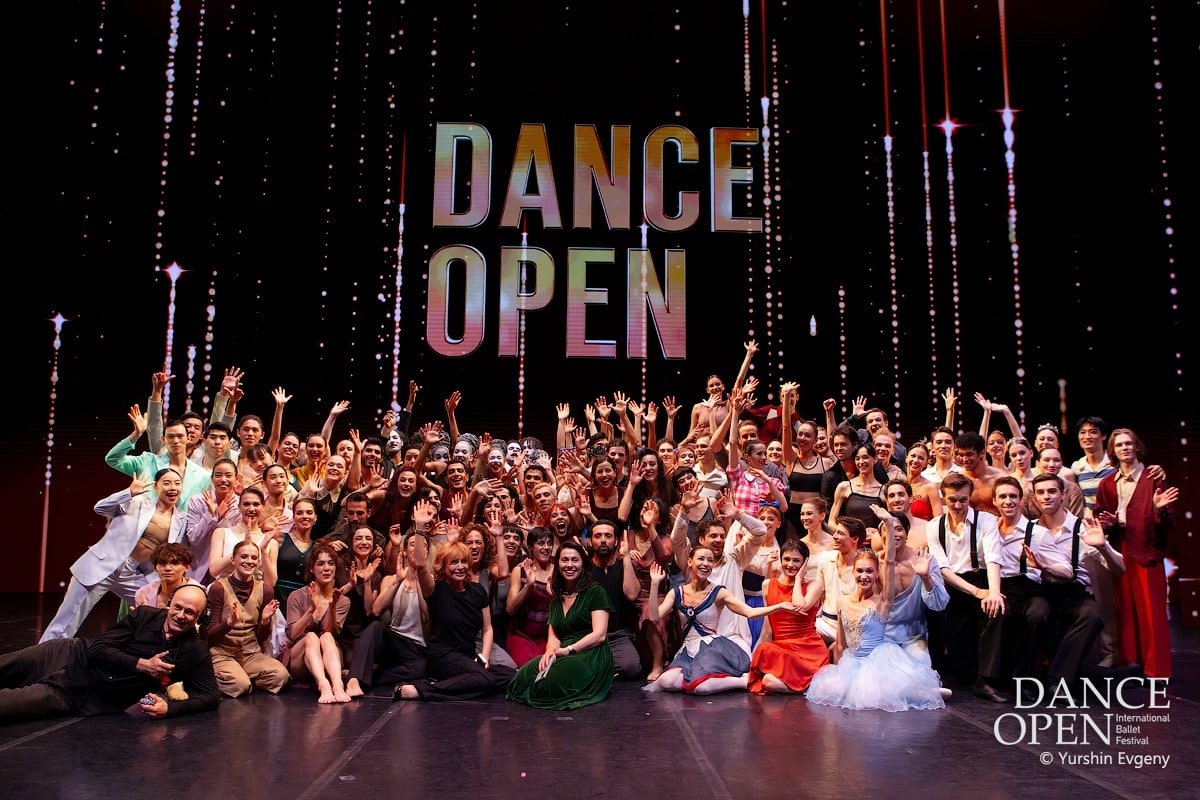
- Cultural Significance: Dance Open is Russia’s largest choreographic forum and one of the world’s top five ballet festivals, as recognized by The Independent. Held in St. Petersburg, a UNESCO World Heritage city, it celebrates ballet as a universal art form, uniting performers from over 33 countries and reinforcing the city’s legacy as a ballet epicenter since the 18th century.
- Historical Evolution: From a modest debut, the festival has grown to feature over 320 world ballet stars, including companies like Wiener Staatsballett, Dutch National Ballet, Les Ballets de Monte-Carlo, and New York City Ballet. It introduced masterclasses, educational programs, and gala concerts, with past highlights like performances by Lucia Lacarra and Matthew Golding. Supported by the Presidential Fund for Cultural Initiatives, it has expanded its global influence while maintaining a focus on Russian ballet traditions.
- Modern Impact: In 2026, marking its 25th season, Dance Open continues to promote new choreography, support young dancers, and integrate sustainable practices like energy-efficient staging. It enhances St. Petersburg’s cultural tourism, drawing over 20,000 attendees annually, and fosters international collaboration despite geopolitical challenges.
Event Highlights
- Main Activities or Performances:
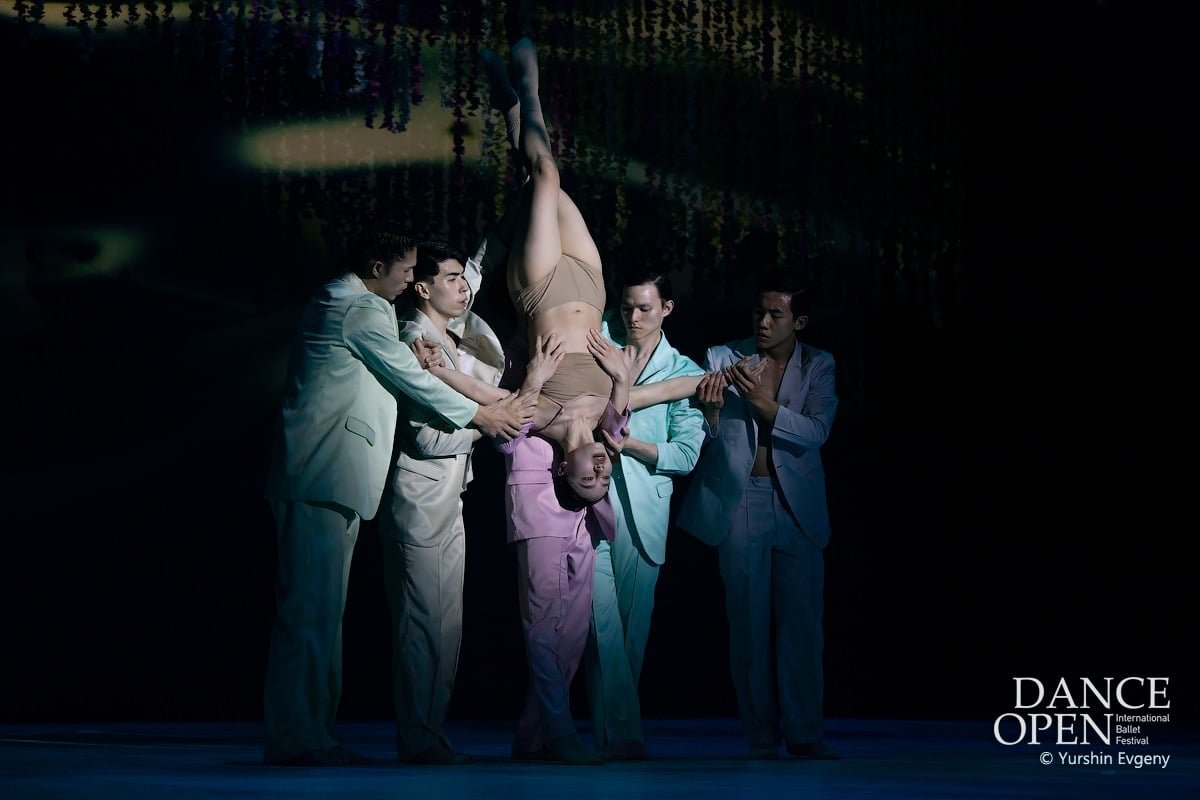
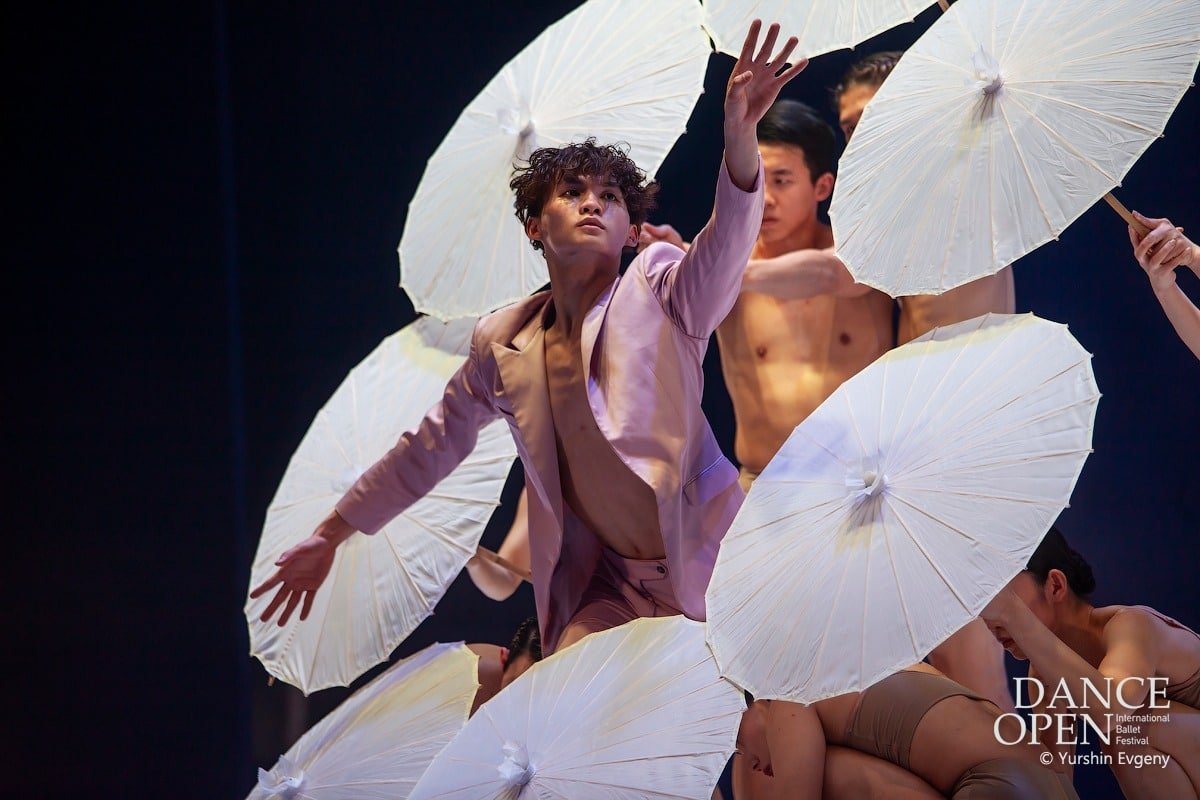
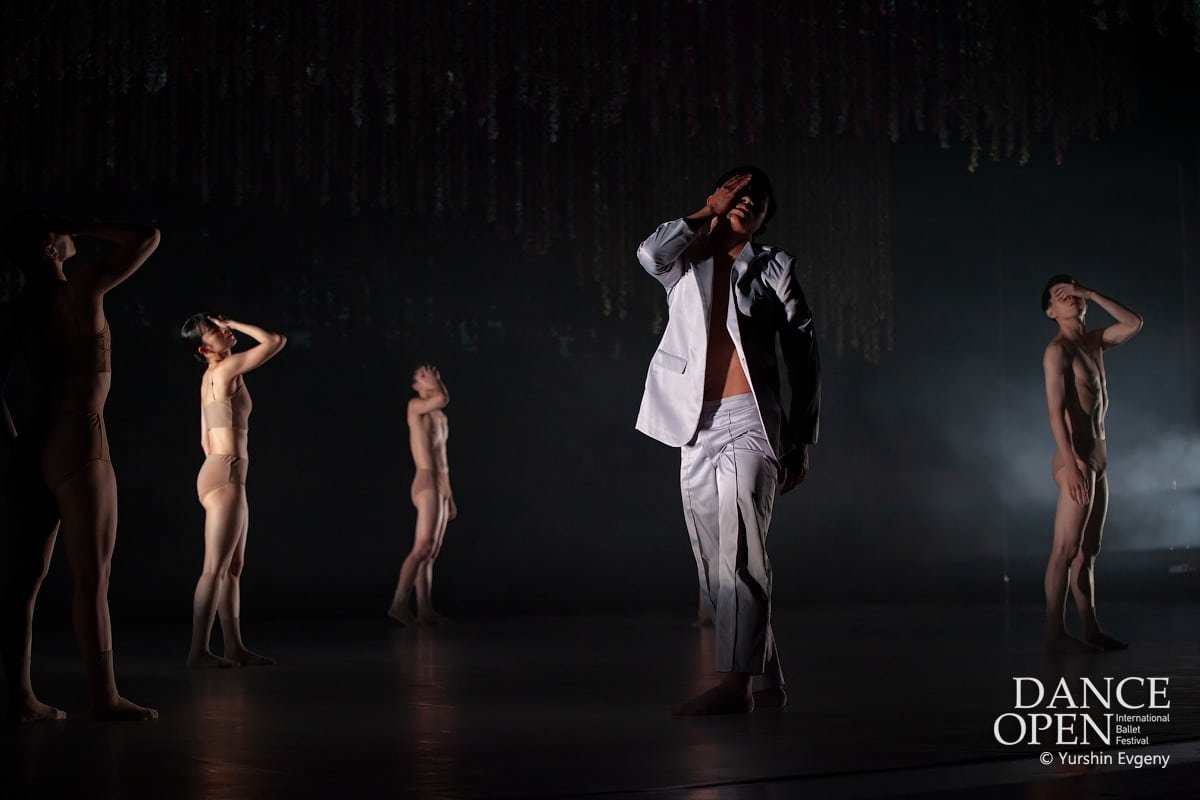
- Main Stage Performances: The 2026 season (April 18–28) includes productions like The Stone Flower by Ural Ballet (April 18, Alexandrinsky Theatre) and In the Still of the Night by Lucia Lacarra and Matthew Golding (April 20). The gala features stars from Stuttgart Ballet, Hamburg Ballet, and others, showcasing classical and contemporary works.
- Competitions and Showcases: International ballet competitions for emerging dancers, alongside showcases of Russian premieres and experimental choreography, held at venues like the Alexandrinsky Theatre.
- Masterclasses and Workshops: Over 130 masterclasses with 800+ young participants from 21 countries, led by renowned choreographers, focusing on technique, repertoire, and innovation.
- Special Traditions or Features:
- Gala of Stars: A closing gala (April 28) with performances by global ballet icons, blending Russian classics like Swan Lake excerpts with modern pieces, accompanied by live orchestras.
- Tributes to History: Commemorative events, such as honoring Leningrad’s wartime performers, with readings from diaries like Natalia Sakhnovskaya’s, reflecting ballet’s resilience during the 1941–1944 siege.
- Cultural Exhibitions: Displays of ballet history, costumes, and set designs at venues like the Hermitage Theatre, celebrating St. Petersburg’s ballet legacy.
- Unique Attractions for Visitors:
- Thematic Concerts: Tributes to ballet legends like Rudolf Nureyev, featuring rare archival footage and live performances.
- City-Wide Events: Street performances and pop-up dance displays in Nevsky Prospekt and Palace Square, integrating ballet into St. Petersburg’s vibrant public spaces.
- Educational Programs: Open rehearsals and Q&A sessions with dancers, offering insights into choreography and training, particularly for young audiences.
Date & Duration
- Dates: dates to be announced
Visiting this event? Don’t miss out on these amazing activities and local experiences while you’re here.
Venue / Location
- City: St. Petersburg, Russia (European side)
- Main Venues: Alexandrinsky Theatre (main stage, Ostrovskogo Square 6), Hermitage Theatre, and other historic venues like the Mariinsky Theatre for select events. Smaller performances in cultural centers and open-air stages.
- Notable Areas: Events span St. Petersburg’s historic center, a UNESCO World Heritage site, with landmarks like the Winter Palace, Nevsky Prospekt, and Palace Embankment. Outdoor performances utilize Palace Square and the Fontanka River embankments, creating a picturesque backdrop.
- Google Maps Address: Невский пр., д. 32-34, Saint Petersburg, Russia, 191011 (festival office).
Ticket Information
- How Tickets Are Sold:
- Online via https://danceopen.com or partner platforms like kassir.ru, with secure payment options (credit card, local systems).
- On-site at Alexandrinsky Theatre box office and festival kiosks at key venues, open 10:00 a.m.–8:00 p.m. during the festival.
- Accepts cash, card, and possibly group bookings; accreditation for press/cooperation via pr@danceopen.com.
- Admission Type: Paid for main stage performances and galas; some workshops and outdoor events free.
- Ticket Pricing (USD):
- Minimum: $15 (approx. ₽1,500) for general admission to smaller performances or workshops.
- Maximum: $100 (approx. ₽10,000) for premium gala seats or festival passes.
- Special Seating or VIP Options:
- Reserved balcony or orchestra seats at Alexandrinsky Theatre for optimal views.
- VIP packages include priority access, backstage tours, and artist meet-and-greets (pricing TBD, typically $150–$300, check website for 2026 details).
- Accessibility seating for disabled attendees; contact tickets@danceopen.com for arrangements.
Contact Information
- Email: info@danceopen.com (general inquiries); tickets@danceopen.com (ticketing); pr@danceopen.com (press/accreditation).
- Phone: Not specified; contact via email or website form for direct support.
- Website: https://danceopen.com (program, tickets, updates).
- Social Media:
- Instagram: @danceopen
- Facebook: @DanceOpen
- VK: @dance_open (primary platform in Russia).
- Key Staff: Organized by Association “Dance Open Festival”; key figures available via pr@danceopen.com.
- Press/Volunteers: Press inquiries to pr@danceopen.com; volunteer applications via website (roles in ushering, logistics; 2026 details TBD).
- Note: Response time ~24–48 hours. Limited English support; Russian primary, some French/German assistance.
Cultural Experience
- Traditions:
- The festival honors St. Petersburg’s ballet legacy, with tributes to figures like Anna Pavlova and the Vaganova school, integrating Russian Orthodox and imperial aesthetics into performances.
- Community engagement through free outdoor shows and youth workshops, reflecting Russia’s tradition of accessible high art.
- Music:
- Live orchestras perform Tchaikovsky, Prokofiev, and modern scores, with past tributes to composers like Rodion Shchedrin (2024 gala).
- Street music includes balalaika or accordion ensembles, blending ballet with Russian folk elements.
- Costumes:
- Dancers in classical tutus and contemporary designs, showcasing Russian ballet craftsmanship; gala costumes often feature Swarovski embellishments.
- Exhibitions display historic costumes from the Mariinsky, connecting to St. Petersburg’s imperial past.
- Local Customs:
- Russian language dominates, with some performances incorporating poetry or spoken introductions; basic phrases like “Zdravstvuyte” (hello) taught in workshops.
- Events tie to St. Petersburg’s cultural calendar, with nods to White Nights and wartime resilience, fostering a sense of historical pride.
Food & Drinks
- Must-Try Specialties:
- Borscht: Beetroot soup with sour cream, a Russian staple at festival-adjacent cafes.
- Pelmeni: Dumplings filled with meat or mushrooms, served with butter or broth, available at street stalls.
- Blini: Thin pancakes with caviar, salmon, or sweet fillings, popular at Nevsky Prospekt eateries.
- Vodka and Kvass: Traditional vodka shots or kvass (fermented rye drink) for refreshment during evening events.
- Pirozhki: Baked buns with beef, cabbage, or apple, perfect for quick festival snacks.
- Medovik: Honey-layered cake, a sweet treat from local patisseries like Sever.
- Shashlik: Grilled meat skewers, reflecting Russian summer dining, at pop-up food stands.
Getting There
- By Air: Pulkovo Airport (LED, 20 km, 30-min drive), with flights from Moscow (1.5 hours), Europe, or Asia. Taxis or Yandex Go to city center; bus 39 to Moskovskaya metro.
- By Train: Moskovsky Railway Station (central, near Nevsky Prospekt), with high-speed Sapsan trains from Moscow (3.5 hours) or Helsinki (3 hours). Book at rzd.ru.
- By Bus: Long-distance buses from Moscow or Baltic cities to St. Petersburg’s main bus terminal; local buses via SPb Transport.
- By Car: From Moscow (700 km, 8 hours via M11); parking limited—use paid lots near Alexandrinsky or Palace Square. Check spb-parking.ru.
- Local Transport: Metro (Nevsky Prospekt station), buses, or trams; walkable historic center. Yandex Go for late-night travel.
- Accessibility: Metro and venues partially wheelchair-accessible; contact festival office for assisted access.
Accommodation Options
- Hotels:
- Belmond Grand Hotel Europe: 5-star on Nevsky Prospekt, ~$200–$500/night, luxury near festival venues.
- Hotel Astoria: Historic 5-star, ~$150–$350/night, 10-minute walk to Alexandrinsky.
- Ibis St. Petersburg Centre: Budget 3-star, ~$50–$100/night, near metro.
- Guesthouses/B&Bs:
- Nevsky Breeze Hotel: Cozy guesthouse, ~$40–$80/night, central with festival access.
- Dom Boutique Hotel: Charming, ~$60–$120/night, near Hermitage.
- Camping/Airbnb:
- Airbnb Apartments: Nevsky Prospekt flats, ~$50–$150/night, ideal for groups.
- Krestovsky Island Camping: 10 km out, ~$20–$40/night, with metro access.
- Booking Tips: Book early via booking.com or visitpetersburg.ru; festival aligns with high season. Choose Admiralteysky District for proximity.
Before you go, check these helpful travel products:


Maps
Contact
Video
FAQ's
What are the dates, duration, and schedule of Dance Open Festival 2026?
April 18–28, 2026, lasting 11 days. Schedule includes daytime workshops/masterclasses, afternoon performances, and evening galas (7:00 p.m.–10:00 p.m.) at Alexandrinsky Theatre, plus free outdoor events.
How much are tickets, where can I buy them, and what events are free?
Tickets $15–$100 USD via https://danceopen.com or Alexandrinsky box office. Free events include street performances and select workshops; paid for main shows/galas. Avoid unofficial resellers.
Is the festival family-friendly, and what activities are available for children?
Yes, with youth workshops, open rehearsals, and kid-friendly performances. Alexandrinsky is stroller-accessible; under 12 may enter free for select events (check website).
How can I get to St. Petersburg for the festival, and what local transport options exist?
Fly to Pulkovo Airport (30 min); Sapsan train from Moscow (3.5 hours); buses to central terminal. Use metro (Nevsky Prospekt), buses, or Yandex Go; walkable center. Limited parking—use paid lots.
What makes Dance Open unique, and how does it connect to Russian culture?
As Russia’s largest ballet festival, it blends global stars with St. Petersburg’s storied ballet tradition, featuring Vaganova-trained dancers and tributes to Russian composers. Set in UNESCO-listed venues, it offers masterclasses, galas, and historical exhibitions, immersing visitors in Russia’s cultural legacy.