

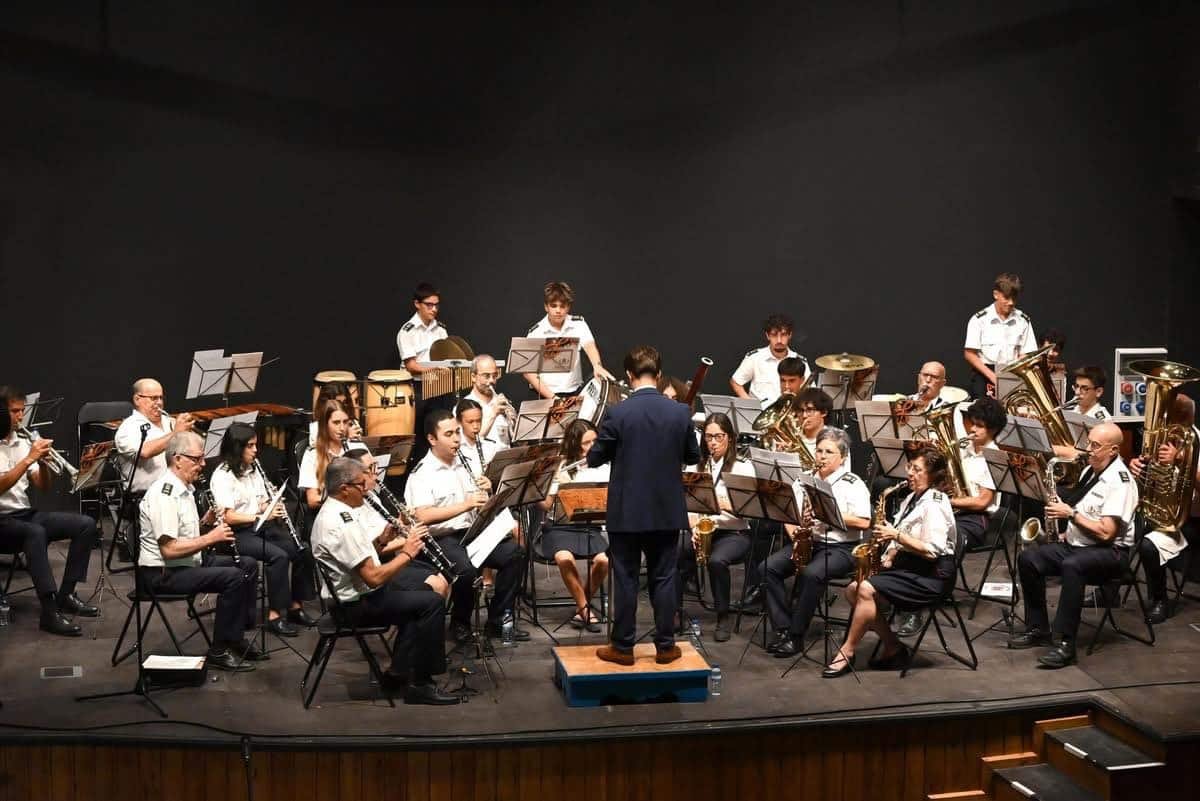

Santiago do Cacém Carnival 2026
Background & History
Santiago do Cacém Carnival, known locally as “Entrudo” or “Carnaval de Santiago do Cacém,” is a vibrant celebration deeply rooted in the Alentejo region’s folk traditions, blending pre-Christian fertility rites with medieval Christian customs. The town’s origins trace back to prehistoric settlements, with Roman influences evident in the ruins of Miróbriga nearby, where ancient festivals honored the spring’s renewal through dances and communal feasts. As a key stop on the Roman road from Lisbon to the Algarve, Santiago do Cacém fostered early multicultural exchanges that shaped its festive spirit.
The modern carnival emerged during Portugal’s medieval period, tied to the Catholic calendar as a period of indulgence before Lent’s austerity, deriving from the Latin “carnis levale” (farewell to meat). In Alentejo, it evolved from 16th-century rural gatherings, incorporating Moorish and Sephardic elements post-Reconquista, with the town’s 1512 charter from King Manuel I formalizing community events. By the 18th century, amid French invasions, Santiago do Cacém’s strategic location near Melides made it a hub for defiant celebrations, symbolizing resilience against occupation.
Revived in the 20th century after Franco-era suppressions, the carnival gained prominence in the 1970s with post-Salazar democratization, emphasizing satire and inversion of social norms. Organized by the Câmara Municipal de Santiago do Cacém since the 1980s, it now attracts 10,000+ visitors annually, showcasing local craftsmanship in masks and floats. Culturally, it preserves Alentejo’s agrarian heritage, promoting unity in a region known for cork production and olive groves, while addressing contemporary themes like sustainability.
Enjoy Your Event Stress-Free with Euro Travelo
Planning a trip to attend a festival, concert, or business event in Europe can be overwhelming—tickets, travel, accommodation, and local logistics all take time and effort. Euro Travelo makes it simple by providing everything you need through one trusted company. You save time, avoid stress, and enjoy a seamless experience from start to finish.
Over decades, attendance has grown from village gatherings to regional draws, with 2025’s edition featuring eco-friendly parades amid economic recovery. For 2026, the 50th+ post-revival year promises expanded youth involvement, reflecting Portugal’s EU-driven cultural preservation. Its significance lies in bridging ancient pagan joys with modern community bonding, generating €500K+ in local tourism and reinforcing Santiago do Cacém’s identity as a “Terra Única” (Unique Land).
- Origins: Prehistoric spring rites at Miróbriga; Roman influences via trade roads.
- Medieval Evolution: Tied to Lent; 1512 charter enables organized festivities.
- Modern Revival: 1970s post-dictatorship boom; municipal oversight since 1980s.
- Cultural Impact: Satirical inversion of norms; preserves Alentejo folklore amid globalization.
- Economic Role: Boosts tourism; €500K+ impact via visitors and crafts.
- Global Ties: Influences from Iberian carnivals; EU-funded heritage projects.
- Recent Growth: 2025 eco-focus; 2026 youth expansions for intergenerational appeal.
Event Highlights
Main Activities or Performances
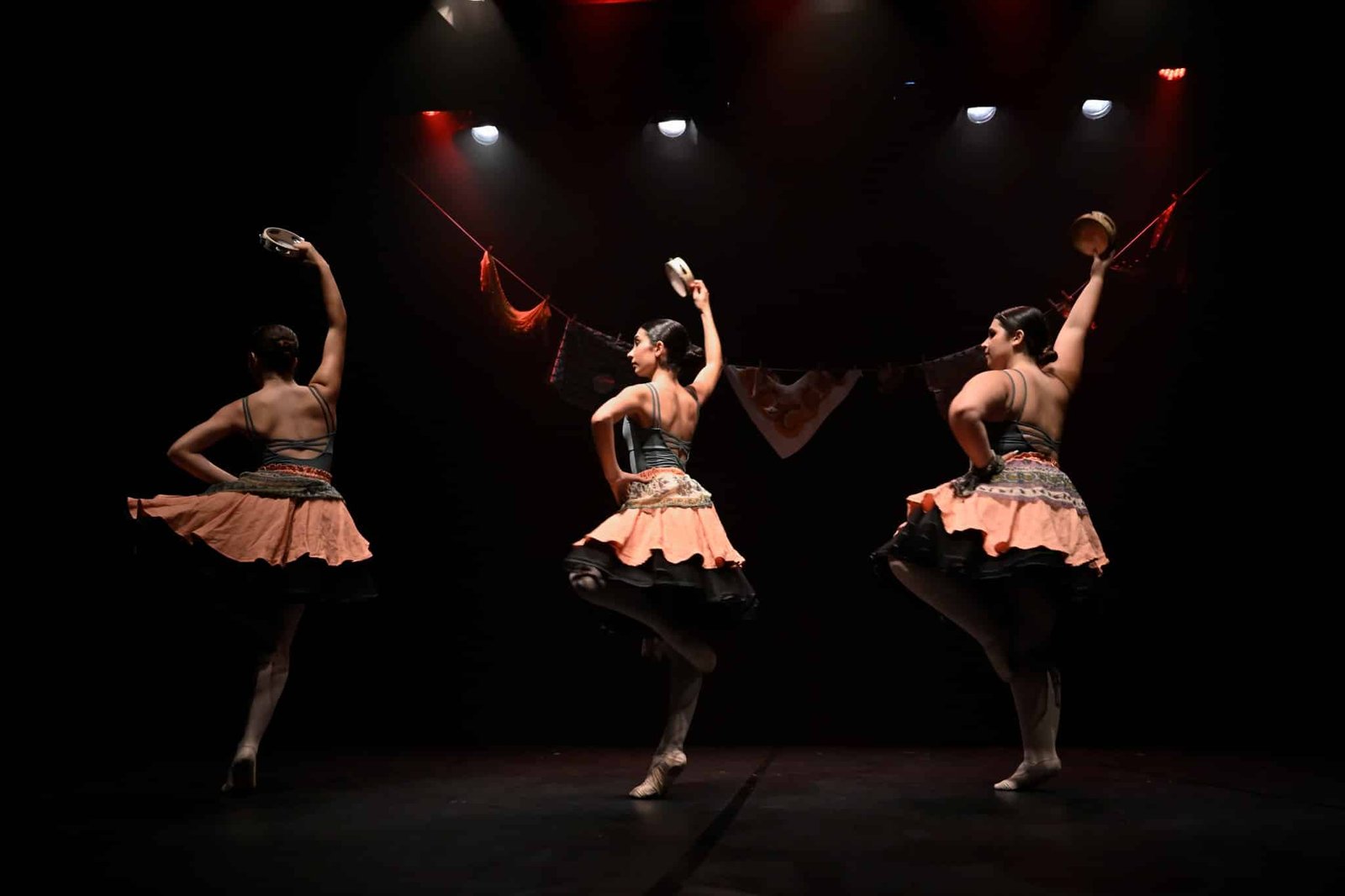
- Grand Parades: Multi-day processions through historic streets, featuring 20+ floats satirizing current events, with brass bands playing fado-carnival fusions and dancers in elaborate costumes.
- Children’s Carnival: Family-oriented morning events with kid parades, storytelling sessions on local legends, and puppet shows at the Municipal Square.
- Nighttime Balls: Masked galas at cultural centers, blending traditional Entrudo dances with DJ sets of Portuguese pop and international hits.
- Theater and Street Skits: Amateur troupes performing satirical plays mocking politicians, drawing from Alentejo’s oral tradition.
- Firework Displays: Climactic shows over the castle ruins, symbolizing winter’s end.
- Cultural Workshops: Free sessions on mask-making and float construction, engaging 500+ participants.
- Guest Performances: Invited folk groups from neighboring towns, showcasing regional variations.
- Closing Ceremony: Symbolic “burial of the sardine” ritual, with communal bonfires and toasts.
Special Traditions or Features
- Mask-Making Legacy: Handcrafted wooden masks (caretos) depicting devils and animals, a nod to pagan exorcisms, exhibited in pre-carnival fairs.
- Sardine Burial: Tuesday ritual entombing a grilled sardine, marking Lent’s start with mock funerals and feasts.
- Role Reversal: “Reis do Carnaval” (Carnival Kings/Queens) elected from locals, inverting hierarchies for a day.
- Eco-Initiatives: Recycled materials for floats since 2020, aligning with Alentejo’s green tourism.
- Folk Music Marathons: Continuous accordion and guitar sessions in plazas, fostering impromptu dances.
- Community Contests: Prizes for best costumes, floats, and skits, judged by public vote.
- Pre-Carnival Build-Up: January “fool’s runs” with pranks, building anticipation.
Unique Attractions for Visitors
- Castle Hill Views: Parades overlooked from the 12th-century Santiago Castle, with guided night tours.
- Artisan Markets: Stalls selling cork crafts and carnival sweets, tied to local heritage.
- Food Tastings: Pop-up stalls with Alentejo specialties during events.
- Photo Ops: Themed backdrops at Municipal Square with medieval facades.
- Family Zones: Safe play areas with face-painting and mini-parades.
- Virtual Experiences: App-based AR filters for mask try-ons and historical reenactments.
- Wellness Tie-Ins: Post-parade yoga in nearby pine forests for recovery.
Dates
to be announced
Visiting this event? Don’t miss out on these amazing activities and local experiences while you’re here.
Venue / Location
Santiago do Cacém Carnival pulses through the town’s whitewashed streets and hilltop castle, a UNESCO-recognized historic center in Alentejo’s plains. The epicenter is the Municipal Square (Praça do Município), hosting parades and stages amid 16th-century architecture. Processions wind to the Santiago Castle for hilltop views, while side streets like Rua da Liberdade feature pop-ups. Nearby, the Roman ruins of Miróbriga add ancient ambiance, and events spill to community halls for indoor balls.
- Main Venue: Praça do Município – Central parades and stages.
- Historic Site: Castelo de Santiago do Cacém – Overlooks and rituals.
- Community Spaces: Rua da Liberdade and local halls for skits and dances.
- Cultural Add-Ons: Miróbriga ruins for themed walks.
- Google Maps Address: Praça do Município, 7540-136 Santiago do Cacém, Portugal.
Ticket Information
- Sales Methods: Free public access; optional paid balls and workshops via cm-santiagocacem.pt or on-site at tourist office. No advance booking needed for parades; packages for guided tours or VIP viewing.
- Admission Type: Mostly free to encourage community participation; nominal fees for enclosed events like masked balls.
- Pricing in USD: Based on 2025 rates (1 EUR ≈ 1.10 USD). Minimum ticket pricing: $0 USD (all parades and street events). Maximum ticket pricing: $11 USD (night ball entry or workshop).
- General Pricing Details: Street parades: free; children’s events: free; adult balls: $5.50–$11 USD; family packages: $16.50 USD for tours.
- Special Seating or VIP Options: VIP hilltop viewing (~$16.50 USD) with reserved seats and drinks; accessible areas free.
- Additional Notes: Donations encouraged for floats; weather-dependent refunds.
Contact Information
- Email: geral@cm-santiagocacem.pt (general inquiries); turismo@cm-santiagocacem.pt (events); press@cm-santiagocacem.pt (media).
- Phone: +351 269 829 400 (main line, English/Portuguese); +351 269 829 490 (tourist office).
- Website: https://www.cm-santiagocacem.pt/ (events calendar); https://www.visitportugal.com/en/content/santiago-do-cacem (tourism).
- Social Media: @cm_santiagocacem (Facebook/Instagram for live updates); YouTube for past parades.
- Key Staff: Álvaro Beijinha (Mayor); cultural team via general email.
- Press/Volunteers: Press via press@cm-santiagocacem.pt (accreditation by January 2026); volunteers for setup at geral@cm-santiagocacem.pt (perks: free access).
- Additional Notes: Response 24–48 hours; multilingual support; newsletter for updates.
Cultural Experience
Santiago do Cacém Carnival envelops visitors in Alentejo’s earthy soul, where cork-scented plains meet hilltop whispers of Roman ghosts, and the fiesta inverts daily drudgery into joyous anarchy. Revelers don devilish caretos masks, channeling pagan spirits to mock authority, evoking Miróbriga’s ancient rites amid olive groves.
Traditions unfold in parades that snake through cobbled lanes, with floats lampooning politicians in folk verse, fostering communal catharsis before Lent’s solemnity. Costumes blend Moorish veils with modern satire, while accordion laments turn to upbeat corridos, inviting strangers into circle dances.
Music thrums from brass ensembles fusing fado melancholy with carnival vigor, paired with customs like shared sardine roasts under starry skies. Evening bonfires illuminate faces painted in ochre, where elders recount invasion-era defiance, blending history with hedonism.
This ritual reaffirms Alentejo’s resilient heart, where design’s chaos heals social divides, leaving souls alight with spring’s promise.
- Traditions: Caretos masks, sardine burial, role reversals, float contests.
- Music and Customs: Accordion corridos, communal feasts, satirical skits, bonfire tales.
- Cultural Significance: Pagan-Christian fusion, community resilience, Alentejo identity preservation.
Food & Drinks
- Traditional Feasts: Caldeirada (fish stew) simmered with Alentejo tomatoes (~$11 USD at pop-ups).
- Street Snacks: Filloas (crepes) with honey or lard, Carnival staples (~$3.30 USD).
- Meaty Delights: Porco preto (black pork) grilled with piri-piri (~$16.50 USD).
- Sweets: Orelhas de freira (nun’s ears pastries), fried dough dusted sugar (~$2.20 USD).
- Seafood: Sardinhas assadas (grilled sardines) for the burial ritual (~$8.80 USD).
- Vegetarian Options: Açorda alentejana (bread soup with coriander) (~$8.80 USD).
- Drinks: Local reds like Alicante Bouschet; aguardente (firewater) toasts (~$5.50 USD).
- Festival Twists: Themed stalls with cork-infused cocktails (~$6.60 USD).
- Budget Eats: Market empanadas (~$2.20 USD); BYO picnics in squares.
- Dining Tips: Pair with olive oil tastings; vegan adaptations available.
Getting There
- Nearest Airports: Lisbon Humberto Delgado (LIS), 100 km north (1.5h drive, ~$27.50 USD taxi).
- Train Options: Comboios de Portugal from Lisbon (1.5h to Sines, then bus; ~$11 USD).
- Bus Services: Rede Expressos from Lisbon (1.5h, ~$11 USD) to Municipal Square.
- Driving/Parking: A2 highway south; free street parking during events.
- Local Transport: Municipal buses (~$2.20 USD); bikes for hill exploration (~$11/day).
- Taxis/Rideshares: Uber from Lisbon (~$55 USD); local cabs ~$16.50 USD.
- Accessibility: Wheelchair ramps in square; audio guides at castle.
- Tips: Car for beaches; event shuttles from Sines.
Accommodation Options
- Luxury Stays: Octant Santiago – Hilltop 4-star with views (~$110–$165/night USD).
- Boutique Hotels: Casas da Moagem – Converted mill luxury (~$132–$198/night USD).
- Mid-Range: Hotel Santiago – Central with pool (~$77–$110/night USD).
- Budget Choices: Alojamento Local – Guesthouses (~$44–$66/night USD).
- Unique Options: Rural fincas in cork groves (~$66 USD).
- Family/Group: Apartments via Booking.com (~$88–$132/night USD).
- Festival Partners: Discounts at Octant; book early.
- Tips: Town center for walks; eco-lodges nearby.
Before you go, check these helpful travel products:


Maps
Contact
Video
FAQ's
What are the dates for Santiago do Cacém Carnival 2026, and how does it align with Portuguese traditions?
February 14–17, 2026 (Saturday–Tuesday), preceding Ash Wednesday (Feb 18). It follows Portugal's Entrudo customs, emphasizing satire and community, with parades building on medieval roots—confirm via cm-santiagocacem.pt in December 2025.
How can locals or visitors participate in parades or contests?
Join via community groups (contact geral@cm-santiagocacem.pt); float/mask contests open to all, with workshops in January. Past editions engaged 1,000+; free entry promotes inclusivity for Alentejo heritage.
Is the carnival family-friendly, with accessibility features?
Yes, children's parades and safe zones; wheelchair access in square, audio descriptions at castle. Family workshops and free foods ensure broad appeal; email turismo@cm-santiagocacem.pt for support.
What if events are weather-affected—what alternatives?
Outdoor parades may shift indoors to halls; free alternatives include markets and virtual streams. 2025's edition adapted seamlessly—check app for real-time updates.
How does the carnival support local culture and economy?
Showcases Alentejo crafts, boosting €500K+ via tourism; eco-practices since 2020 align with green initiatives. Volunteers aid preservation—past funds supported youth programs.