
Natale di Roma 2027 – Rome, Italy
Overview
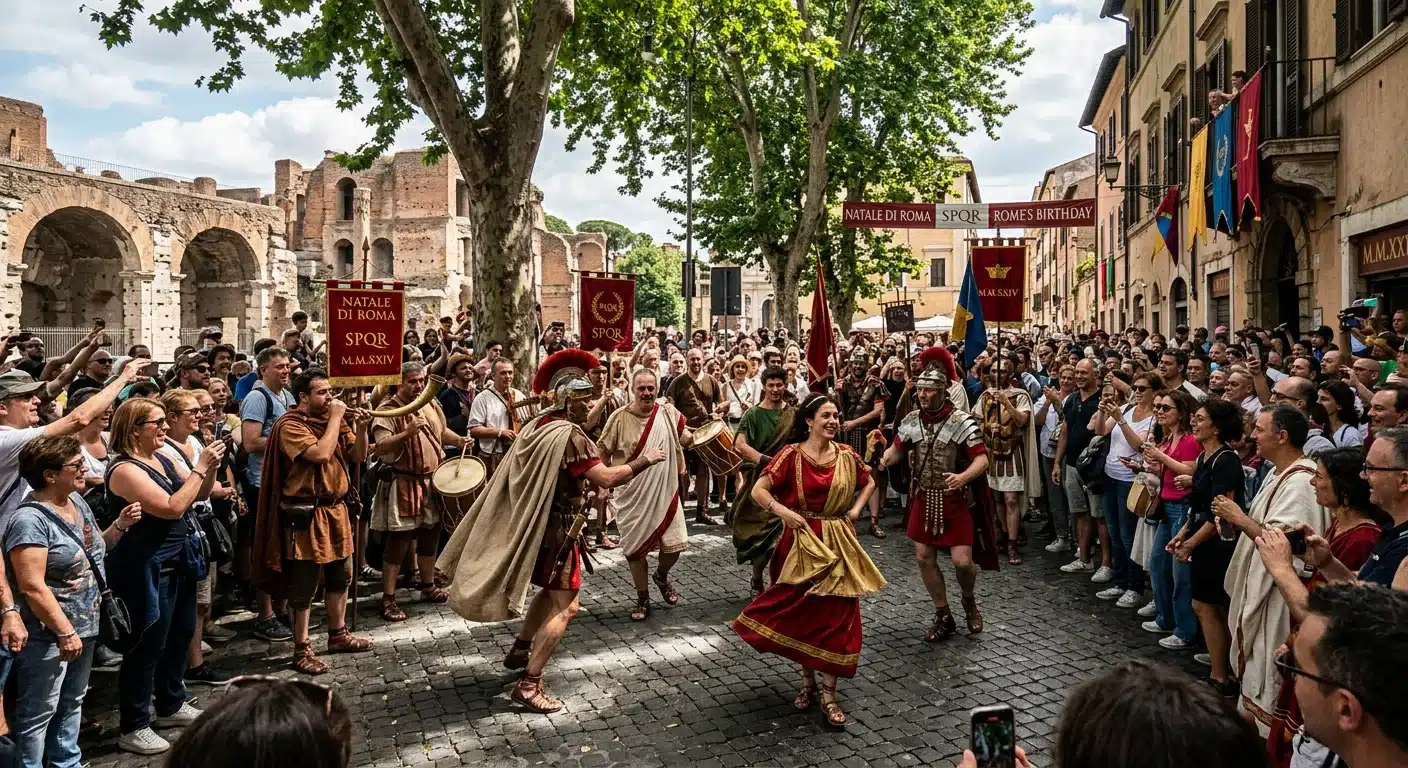
Natale di Roma, or the Birthday of Rome, is an evocative annual festival held every April 21st to honor the legendary foundation of the Eternal City. According to historical tradition and the calculations of ancient Roman scholars, this is the date in 753 BC when Romulus is said to have established the city on the Palatine Hill. It is a profound cultural occasion where the city breathes life into its ancient origins, blending myth and reality through immersive spectacles that transport visitors back to the dawn of the Roman Empire.
The festival serves as a vibrant educational journey, transforming the modern capital into a living museum. Throughout the day, Rome’s historic center becomes a stage for authentic reenactments, traditional ceremonies, and artistic displays that commemorate the complex tapestry of Roman history. From the rhythmic marches of legions in full regalia to the solemn beauty of ancient religious rites, the event offers a unique opportunity to witness the enduring legacy of a civilization that shaped the Western world.
Recommended Products For This Event:

Compact Travel Umbrella
Lightweight compact umbrella for convenient protection from rain or sun.
Buy on Amazon
Lightweight Backpack
Durable lightweight backpack for carrying essentials comfortably anywhere.
Buy on Amazon
Beyond the historical pageantry, Natale di Roma is a celebration of the city’s identity and resilience. Visitors from across the globe gather to participate in this communal birthday party, which features open access to various museums, vibrant street parades, and atmospheric lighting shows at iconic landmarks. It is a moment of deep civic pride for Romans, providing a rare and captivating glimpse into the spirit of a city that has remained the beating heart of history for nearly three millennia.
Enjoy Your Event Stress-Free with Euro Travelo
Planning a trip to attend a festival, concert, or business event in Europe can be overwhelming—tickets, travel, accommodation, and local logistics all take time and effort. Euro Travelo makes it simple by providing everything you need through one trusted company. You save time, avoid stress, and enjoy a seamless experience from start to finish.
Event Highlights
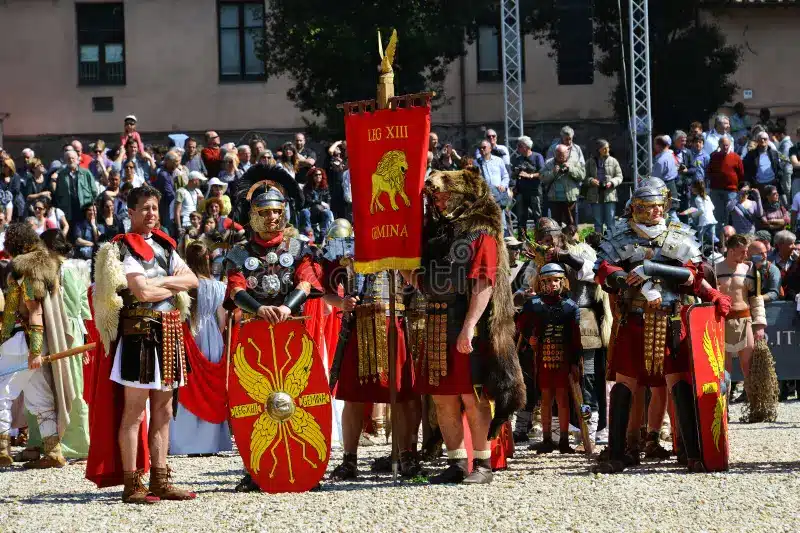
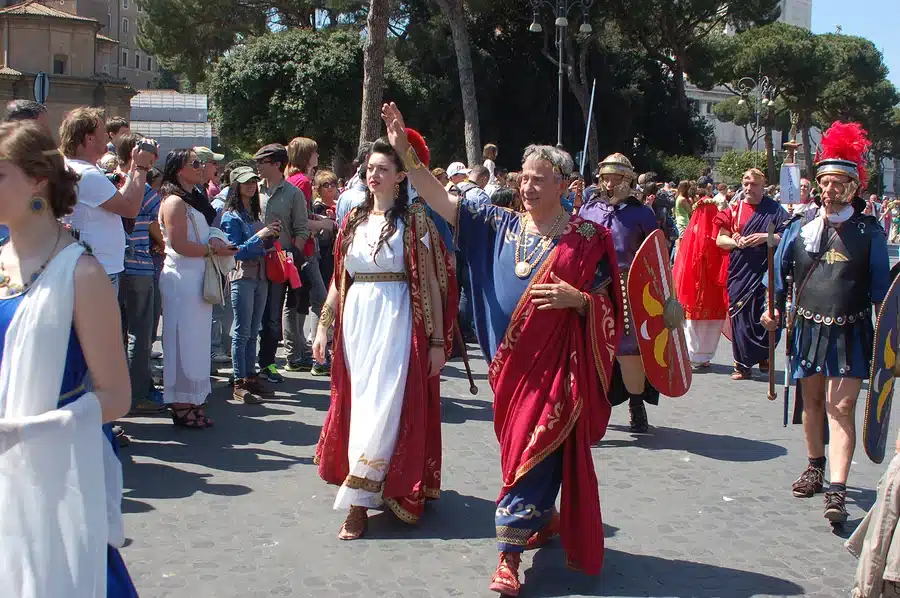
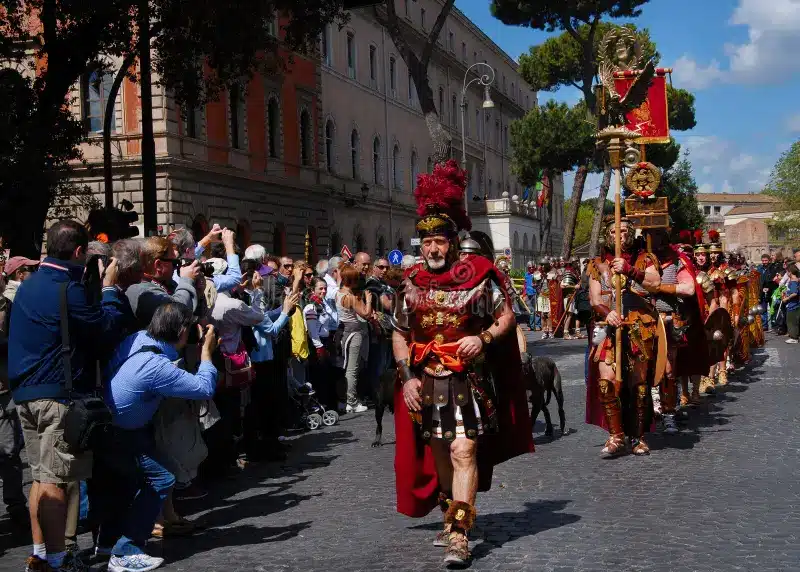
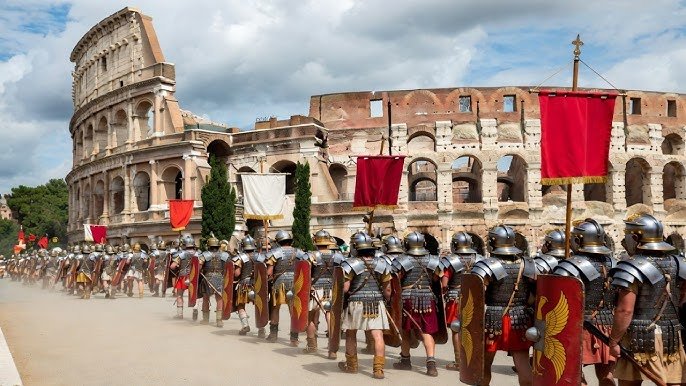
- The grand Historical Parade, where over a thousand participants dressed as gladiators, vestal virgins, and Roman legions march from Circus Maximus to the Colosseum.
- The spectacular light phenomenon at the Pantheon, where the sun’s rays perfectly illuminate the bronze entrance door at noon, a feat of ancient architectural precision.
- The historical encampment at Circus Maximus, featuring educational workshops, gladiator combat demonstrations, and authentic recreations of daily Roman life.
- The solemn Renewal of the Sacred Fire and the Benedictio Urbi ceremony, which recreate the ancient rituals that once defined the religious life of the Empire.
Why Attend
This event is ideal for history enthusiasts, cultural travelers, and families who wish to experience Rome in a way that transcends typical tourism. By attending, you gain direct access to the myths, legends, and archaeological marvels of the city through the eyes of experts and dedicated historical reenactors who bring the ancient world to life.
The primary benefit of attending is the ability to engage with Rome’s rich heritage in an active, sensory-driven environment. Instead of merely observing artifacts in a glass case, you are invited to walk the same streets as the ancients, participate in traditional festivities, and witness the architectural miracles that have stood the test of time, making your visit to Rome truly unforgettable.
Date & Duration
- Event Date: April 21, 2027
- Event Duration: One day of intensive festivities, though surrounding activities often begin several days prior.
Visiting this event? Don’t miss out on these amazing activities and local experiences while you’re here.
Ticket Information
- How Tickets Are Sold: Most public events, including parades and reenactments, are free to attend; some museum activities may require advanced booking.
- Admission Type: Open public access for street events, with free entry to many municipal museums.
- Ticket Pricing: Free Admission for most major festival events and public demonstrations.
- Special Seating Options: Public viewing areas are available along the parade route; arriving early is recommended for optimal vantage points.
- VIP Options: No formal VIP tickets exist, but exclusive guided tours of restricted archaeological sites can be booked through official city tourism portals.
Venue / Location
- City and Country: Rome, Italy
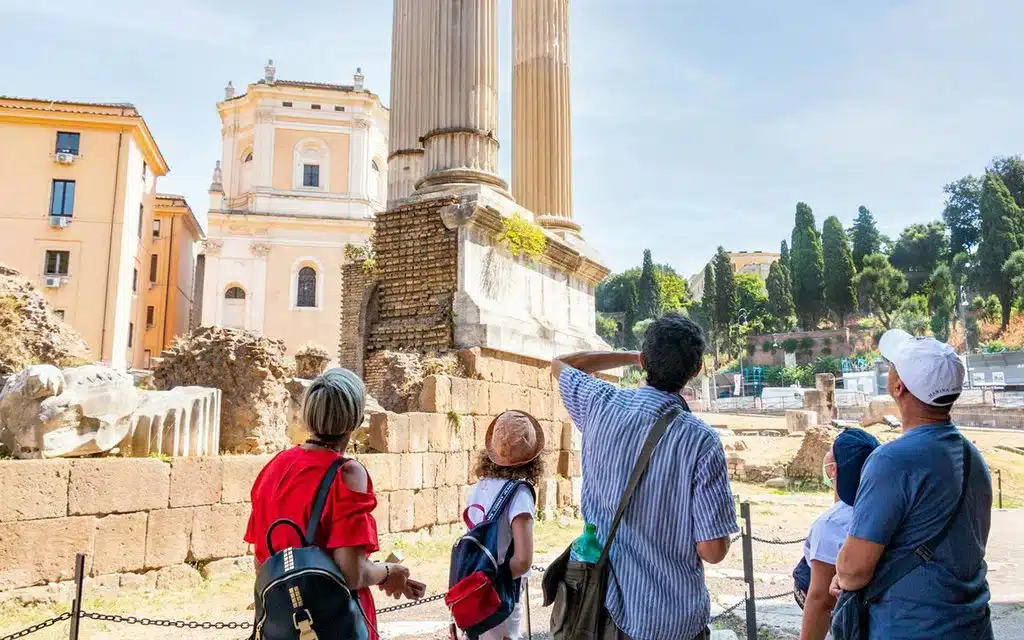
- Venue Name: Various historic locations, primarily centered at Circus Maximus, the Pantheon, and the Roman Forum.
- Google Maps Address: Circus Maximus, Via del Circo Massimo, 00186 Rome, Italy.
Worried about accommodation? Hotels near this event sell out quickly, and prices tend to rise fast. Check out these accommodation options:
Contact Information
- Email: info@turismoroma.it
- Phone Number: +39 06 0608
- Official Website: www.turismoroma.it
Accommodation Options:
Rome offers a diverse range of accommodations, from luxury hotels in the heart of the historic center to boutique guesthouses in the charming district of Trastevere. Because April 21st is a major local holiday, hotels in the central zones are in high demand and often reach capacity quickly; early booking is essential to secure a room near the main festival hubs.
Many visitors prefer staying in the area surrounding the Pantheon or near the Roman Forum to minimize travel time to the morning rituals. These locations provide the added benefit of being within walking distance of many of the day’s events, allowing you to easily return to your accommodation between the various scheduled spectacles.
Getting There
- Nearest Airport: Leonardo da Vinci–Fiumicino Airport (FCO) is approximately 30 kilometers from the city center.
- Nearest Train/Metro Station: Roma Termini is the main hub, while Metro Line B stops at Circo Massimo.
- Bus Routes or Public Transport Options: The city is served by an extensive network of buses and trams that connect to the Roman Forum and surrounding areas.
- Parking Availability: Public parking is extremely limited in the historic center; it is highly recommended to use public transport rather than driving.
- Directions by Car: If driving, navigate toward the GRA (Grande Raccordo Anulare) and use peripheral parking lots to connect via metro to the city center.
What is this event?
Natale di Roma is the annual celebration of the legendary founding of Rome, marking the anniversary of the city’s birth in 753 BC. It is a secular and cultural holiday that honors the history and heritage of the Eternal City.
The day features historical reenactments, educational lectures, and public parades that showcase Roman history from its mythological origins to its imperial peak. It serves as a bridge connecting modern Romans and visitors to the ancient past.
Why is it popular?
The festival is immensely popular because it turns the entire city of Rome into an open-air theater of history. It offers a unique opportunity to witness traditional customs and rare cultural demonstrations that only happen once a year.
The event’s popularity is also driven by its accessibility, as most of the celebrations, including parades and museum visits, are open to the public without cost. This inviting atmosphere makes it a highlight for both international tourists and local citizens.
Tips before you go
- Wear comfortable, supportive walking shoes, as the event requires significant movement across ancient cobblestone streets.
- Plan your route in advance, as certain streets and areas in the city center will be closed to vehicle traffic for the parades.
- Carry a refillable water bottle, as the festival requires a full day of outdoor activity in the spring Roman sun.
- Check the official city tourism website a week before for a detailed schedule of museum openings and special free guided tours.
- Arrive at the Circus Maximus early in the morning to get a prime viewing spot for the start of the historical parade.
Attendee Experiences
- The parade was absolutely mesmerizing with the authentic armor and the sheer scale of the historical reenactors marching past the Colosseum.
- Witnessing the beam of light hit the Pantheon floor at exactly noon was a magical experience that I will remember forever.
- It was fascinating to walk around the camp at Circus Maximus and see the different Roman crafts and gladiator demonstrations up close.
Tickets Sell Out
in Minutes
Maps
Contact
Video
FAQ's
Is Natale di Roma the same as a religious holiday?
No, Natale di Roma is an ancient secular celebration dedicated to the history and foundation of the city. While it honors the legacy of ancient Rome, it is distinct from any religious nativity or Christian feast, focusing instead on the legendary birth of the Roman state.
How early should I arrive at the Pantheon for the light event?
The beam of light phenomenon occurs precisely at noon, but the Pantheon becomes extremely crowded as the time approaches. You should aim to arrive at the entrance at least forty-five minutes early to secure a comfortable space with a clear view of the oculus and the entrance door.
Are the historical reenactments suitable for children?
Yes, the festival is highly educational and engaging for visitors of all ages, including children. Many of the activities at the Circus Maximus encampment are designed to be interactive, providing a fun and accessible way for younger guests to learn about daily life in ancient Roman times.
Do I need to buy tickets to see the historical parade?
Most public parade routes are free and open to anyone standing along the designated streets. You do not need a ticket to watch the march, though the areas near the Roman Forum and Piazza Venezia can get very crowded, so it is best to stake out a spot early.
How can I find the specific event schedule for 2027?
The city of Rome publishes a comprehensive calendar of events on the official tourism website typically a few weeks before the festival. It is highly recommended to check the site regularly starting in early April for updates on museum opening times, free guided tour bookings, and parade start times.