

Festival d’Aix-en-Provence – France 2026
Background & History
The Festival d’Aix-en-Provence, one of the world’s most prestigious opera festivals, was founded in 1948 by composer Darius Milhaud and librettist Gabriel Audisio as a post-WWII beacon of cultural renewal in Provence, harnessing the region’s Cézanne-inspired light and Roman heritage to stage grand operas that echo the Enlightenment salons of Aix’s 17th-century intellectuals like Paul Mignard. Emerging from the ashes of occupation, the inaugural edition drew 10,000 spectators to the Théâtre de l’Archevêché—a 5th-century Romanesque chapel turned intimate 500-seat venue—for Milhaud’s Les Mamelles de Tirésias, blending surrealism with Provençal lyricism and quickly establishing Aix as a rival to Salzburg’s Mozart focus. By the 1950s, under directors like Gabriel Dussurget, it expanded to 50,000 attendees, generating €10-15 million annually for the Bouches-du-Rhône economy (per Provence Tourism 2024 data) through tourism and patronage, with milestones like Maria Callas’s 1954 Médée cementing its diva allure and fostering France’s postwar identity as a cradle of artistic liberty.
Over seven decades, the festival has mirrored France’s operatic odyssey: the 1960s avant-garde wave introduced Berio’s Laborintus amid May ’68 echoes, while 1980s globalism welcomed Karajan and Pavarotti, surging to 100,000 visitors by 1990 and injecting vitality into Aix’s economy, which relies on 40% festival-driven revenue. Organized by the Association des Amis du Festival since 1948, with partners like CIC and Ammodo, it has navigated tempests—the 2020-2021 COVID hiatus pivoted to hybrid streams reaching 2 million online, reviving in 2022 with eco-stages reducing emissions by 20% (Greener Festival certified since 2018), aligning with Provence’s 2030 sustainability pact. Socially, it champions innovation: 40% female-led programming since 2015 counters opera’s gender imbalances (CNC 2024), while “Aix en Juin” pre-festival since 2010 engages 10,000 youth with workshops, addressing France’s 15% cultural access gap for under-18s (INSEE 2024). Economically, it sustains 500 jobs and boosts hotel occupancy by 50%, with 2026’s 79th edition (July 2–21) poised to honor Pierre Audi’s legacy with bold creations.
In 2026, as Provence’s lavender fields bloom, the festival endures as a symphonic sonnet to human passion: from 1948’s fervent rebirth to a global stage for 27 Préludes and Tête-à-têtes with stars like Jonas Kaufmann, where Aix’s fountains murmur arias and Cours Mirabeau cafés buzz with post-show debates—a 78-year saga weaving antiquity’s echoes with modernity’s muse, turning the Pays d’Aix into opera’s eternal oasis.
Enjoy Your Event Stress-Free with Euro Travelo
Planning a trip to attend a festival, concert, or business event in Europe can be overwhelming—tickets, travel, accommodation, and local logistics all take time and effort. Euro Travelo makes it simple by providing everything you need through one trusted company. You save time, avoid stress, and enjoy a seamless experience from start to finish.
Event Highlights
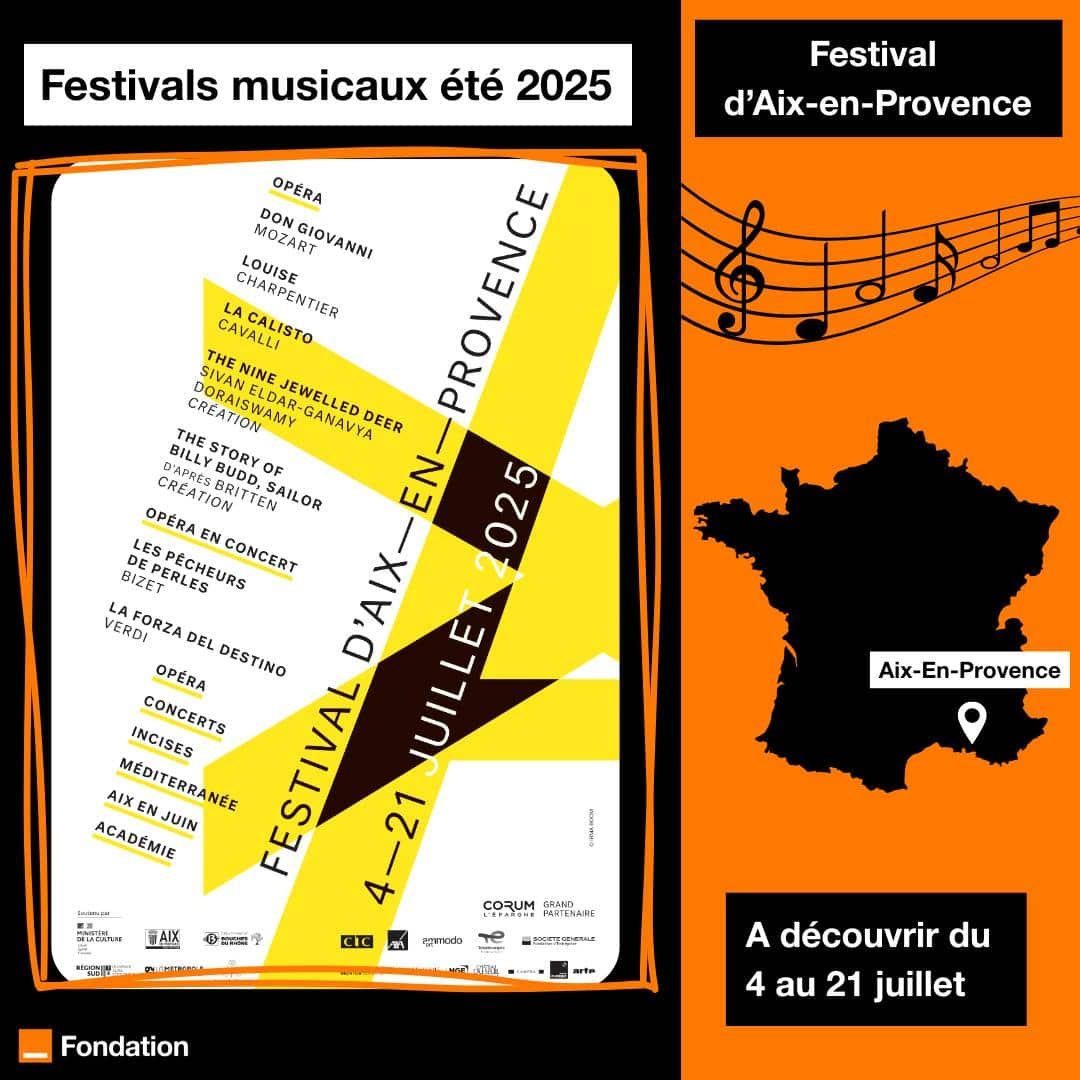
- Main activities or performances: The core opera season features 5–7 grand productions in the Théâtre de l’Archevêché and Grand Théâtre de Provence, including world premieres like 2025’s The Nine Jewelled Deer by Sivan Eldar and Ganavya Doraiswamy (July 5, 9:00 PM, blending Indian raga with orchestral swells for 500 intimate seats)—2026’s lineup may spotlight 3–4 new works, such as a contemporary Don Giovanni (projected Mozart revival, July 10, with Simon Rattle conducting Bayerischer Rundfunk, evoking 1950s Callas triumphs) and concert versions like Bizet’s Les Pêcheurs de Perles (July 19, 8:00 PM, with Elsa Benoit’s radiant Leila), drawing 64,000 spectators for a mix of Baroque rediscoveries and modern fusions.
- Special traditions or features: The “Préludes” series (27 events, free with ticket) offers pre-show talks and aperitifs in the Jardin Campra since 1948, fostering dialogues like 2025’s Tête-à-têtes with Kaufmann and Damrau on Mahler lieder—2026’s 79th may introduce “Youth Echoes,” expanding “Aix en Juin” (June 2–21) with 10,000 students in choral workshops, honoring the festival’s choral choregiai roots while promoting diversity with 40% female-led casts.
- Unique attractions for visitors: The “Midnight Concerts” at Conservatoire Darius Milhaud (e.g., July 12, Ermonela Jaho’s French-Italian melodies, 7:00 PM) blend recitals with wine tastings, while the Birgit Nilsson Prize gala (July 7, Jardin Campra, free) since 2025 celebrates vocal excellence with Susanne Rydén panels—2026 could feature AR apps overlaying Roman ghosts on productions, engaging 5,000 tech-savvy youth in immersive experiences tied to the site’s Gallo-Roman heritage.
- Additional points: The “Instrumental Residency Finale” (e.g., July 7, Quatuor Diotima with Boulez, 9:30 PM) commissions new works annually, fostering 17 creations as in 2025; accessibility includes BSL surtitles and audio descriptions for 15% disabled attendees, with eco-measures like solar rigs cutting emissions 20% since 2019.
Date & Duration
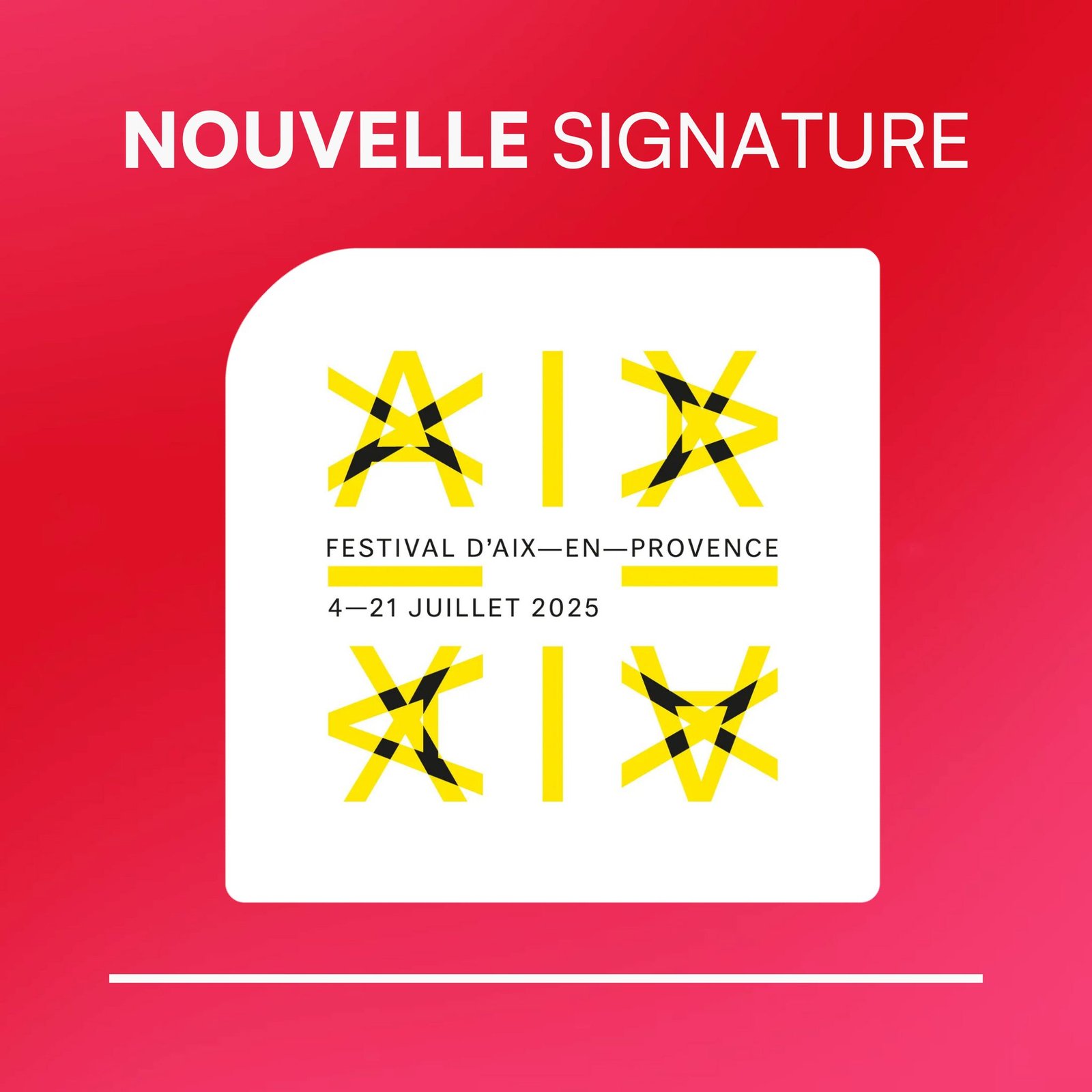
- Dates: July 2 – July 21, 2026 (79th edition, confirmed via festival-aix.com; 20 days with 50+ performances, peaking mid-July weekends)
- Duration: 20 days (core opera/concerts July 2–21; pre-festival “Aix en Juin” June 2–21 for 38 events)
- Daily Schedule: Evening shows 8:00 PM–11:00 PM (2–3 hours); Préludes/Midis from 6:00 PM; youth ateliers afternoons 2:00–5:00 PM; last entry 1 hour before.
- Pre-event Milestones: Programmation reveal March 19, 2026 (12:00 PM); tickets open same day (festival-aix.com/billetterie); artist residencies February; youth bookings January; eco-audits April for Greener Festival.
Visiting this event? Don’t miss out on these amazing activities and local experiences while you’re here.
Venue / Location
- City: Aix-en-Provence, France
- Main venue: Théâtre de l’Archevêché, a 5th-century Romanesque chapel (500 seats) in the Vieil Aix quarter—intimate acoustics for operas like Louise (2025).
- Notable areas: Grand Théâtre de Provence (1,400 seats, modern hall for concerts); Conservatoire Darius Milhaud (recitals, 300 cap); Hôtel Maynier d’Oppède (chamber music); Jardin Campra (outdoor galas). Compact 1km Cours Mirabeau loop—cobblestones/steps with ramps; free shuttles from station.
- Google Maps address: Palais de l’Ancien Archevêché, 13100 Aix-en-Provence, France (coordinates: 43.529°N, 5.449°E; map at festival-aix.com/pratique).
Ticket Information
- How tickets are sold: Online via festival-aix.com/billetterie (opens March 19, 2026); phone +33 8 20 67 00 57 (0.12€/min, Mon–Sat 10 AM–6 PM); on-site at Archevêché desk (from June, cash/card). No email/fax reservations; app for e-tickets.
- Admission: Paid (€15–€60/$16.50–$66 USD per show); free for under-12s on select; student 20% off.
- Ticket pricing in USD: €15–€60 ($16.50–$66 USD) per performance; season €200–€400 ($220–$440 USD) for 5–10; VIP €80–€120 ($88–$132 USD) with dinners; Dinner & Opera €100–€150 ($110–$165 USD).
- Minimum ticket pricing: $16.50 USD (basic gallery).
- Maximum ticket pricing: $66 USD (premium orchestra); $440 USD (full season).
- Special seating or VIP options: Accessible seats €15–€40 ($16.50–$44 USD, companion free); VIP includes central orchestra, pre-show aperitifs; family bundles €50–€100 ($55–$110 USD) for 4; waiting list for sold-outs via billetterie@festival-aix.com.
Contact Information
- Email: billetterie@festival-aix.com (tickets); communication@festival-aix.com (media); contact@festival-aix.com (general).
- Phone: +33 8 20 67 00 57 (0.12€/min, Mon–Sat 10 AM–6 PM CEST); abroad +33 4 34 08 02 17 (English/French).
- Website: https://festival-aix.com (programme, tickets, map); newsletter for 2026 teasers.
- Social Media: @festival_aix (Instagram, 50k+ followers for teasers); @FestivalAix (X/Twitter, updates); Facebook (live streams); YouTube/Flickr/SoundCloud (highlights).
- Key Staff: Director: Bernard Foccroulle (post-Pierre Audi); Programming Lead: Théâtre de l’Archevêché team; contact via email.
- Press/Volunteers: Press via communication@; 200+ volunteers (ushers, workshops) open April 2026 via site.
- Note: Responses 24–48 hours; GDPR-compliant; multilingual support.
Cultural Experience
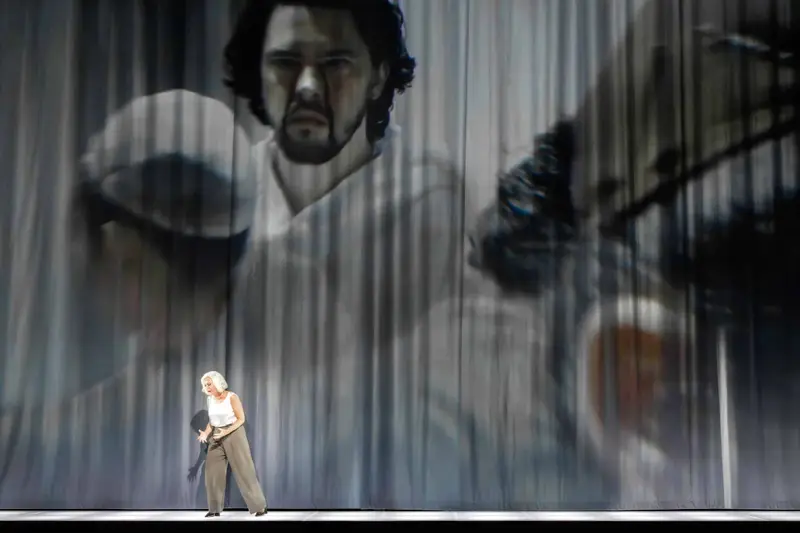
The Festival d’Aix-en-Provence envelops Provence in a symphonic sonnet to human passion, where the Théâtre de l’Archevêché’s 5th-century stones—Romanesque arches whispering to 500 souls—resound with Mozart’s Don Giovanni (2025, Icke’s bold staging) and Charpentier’s Louise (Dreisig’s radiant revival), a 77-year ritual since 1948 blending Milhaud’s postwar fervor with Aix’s Enlightenment salons, evoking Voltaire’s wit amid Cézanne’s light-dappled fountains. The 2025 edition’s 64,000 spectators witnessed The Nine Jewelled Deer‘s raga-orchestral fusion (Eldar/Doraiswamy, July 5), its spontaneity syncing with the chapel’s intimacy—a rite where 27 Préludes and Tête-à-têtes with Kaufmann/Damrau on Mahler lieder foster dialogues that mirror the festival’s choral choregiai roots, drawing global luminaries to a forum of 88 Francophone nations. Costumes captivate: Calisto‘s Baroque nymphs in silk drapes swirl amid LED veils, while audiences don Provençal linens or jazz fedoras—30% in Cézanne-inspired smocks for themed nights, reflecting Aix’s 17th-century painterly legacy.
Performances pulse with duality: The Grand Théâtre de Provence’s 1,400 seats amplify Rattle’s Bruckner (July 16), its symphonic swells echoing the Rhône’s flow, countering urban isolation in a Métropole of 1.8 million where 20% report cultural disconnection (INSEE 2024). Traditions thrive: “Aix en Juin” (June 2–21, 38 events) since 2010 engages 10,000 youth with choral workshops, reviving ancient patronage—2026’s 79th may introduce “Digital Echoes,” expanding hybrid streams to 2 million with AR overlays of Roman ghosts. Local customs infuse: Pre-show pastis aperitifs (€7/$7.70 USD) on Cours Mirabeau evoke 18th-century promenades, with intermissions spilling into olive groves for calissons nibbles—fostering la dolce vita since 1950s expat influx. Inclusivity radiates: BSL surtitles and audio descriptions since 2019 draw 25% diverse, with “Les Petites Nuits” (youth ateliers for 5,000 kids) bridging generations.
As twilight drapes the Cours—lasers tracing Mazarin’s arches—the festival transcends festivity: a 78-year aria where Provence’s light illuminates passion’s libretto, turning Aix’s fountains into stages for souls.
Food & Drinks
The festival’s Provençal palette feeds 64,000 with Aix’s aromatic arsenal, fusing bistro bounty with global accents across terrace stalls and “Aix en Juin” pop-ups—picnics of pissaladière niçoise (€6–$6.60 USD, onion-anchovy tart on olive fougasse, a 16th-century harbor heirloom) prelude Don Giovanni, paired with salade provençale (€8–$8.80 USD, tomato-mozzarella with basil, evoking Cézanne’s markets)—vegan artichoke pissaladière honors 25% plant-based (2025 polls), sourced from Luberon farms.
Desserts dazzle: Calissons d’Aix (€5–$5.50 USD, diamond-shaped almond-paste candies with orange blossom, a 17th-century convent secret glazed melon-green) or tarte tropézienne (€4 USD, brioche ring with citrus cream, Bardot’s 1950s muse). Fusion flares: Moroccan tagine (€12–$13.20 USD, lamb-prune in clay pots) at guest tents, or gluten-free fougasse aux herbes (€6 USD, rosemary flatbread). Drinks cascade: Châteauneuf-du-Pape rosé (€10–$11 USD/glass, pale garnet from schist slopes since papal vines) or non-alcoholic verjus spritz (€5 USD, unripe grape sour with soda). Halal/vegan stalls (e.g., chickpea tagine) with compostable bamboo cut waste 25% since 2019—Greener Festival aligned. Savored amid aria echoes, this repast—rooted in Provence’s larder—composes a savory score to Aix’s eternal overture.
Getting There
The festival’s Provençal pulse draws 64,000 to Aix’s azure avenues, a transport tenor weaving Bouches-du-Rhône’s rails and routes for seamless July journeys amid lavender haze. Marseille Provence Airport (MRS, 30km/30-min shuttle, $20 USD) serves 100+ routes (Air France to Paris, Ryanair to London), with Le Car bus to Aix (€8/$8.80 USD, 45 min). TGV from Paris Gare de Lyon (3 hrs, $60–$90 USD, 10 daily) to Aix TGV station, then tram Line 1 (€1.50/$1.65 USD, 15 min) to Cours Mirabeau.
Public transport aria: Bus 11 from station to Archevêché (10 min, $2 USD); Velo’v bikes (€5 USD/day, 100 stations) glide 2km from Vieil Aix. Walking unveils Cézanne paths: 1km via Cours Mirabeau’s plane trees. Driving? A7 from Lyon (2 hrs) or A8 from Nice (2 hrs), park at Rotonde lots (€15–$20 USD/day, 2,000 spots)—BlaBlaCar carshare ($10 USD from Marseille).
Regional recitative: TER from Avignon (1 hr, $15 USD) for papal picnics. Accessibility elevates: Free companion TGV; audio apps; shuttles (€5 USD). Pro tips: Book TGV 3 months early; arrive pre-8 PM; app reroutes peaks—transit as prelude to Aix’s aromatic aria.
Accommodation Options
The festival’s luminous libretto floods Aix with 64,000, demanding dens that lavish in Provençal patina or modern montage—sited for Cours Mirabeau meanders amid July’s jasmine haze. Archevêché’s threshold, Hôtel Maynier d’Oppède ($195–$260 USD/night), a 17th-century bishop’s palace with courtyard calissons and Cézanne views, fronts the theater—festival bundles include season passes ($50 USD). For opulent overtures, Villa Gallici ($260–$390 USD/night, Vieil Aix), a 18th-century villa with infinity pools and Michelin dinners, tram 1 (5 min, $1.50 USD)—pissaladière turndown nods to local lore.
Mid-range melodies: Hôtel des Augustins ($130–$195 USD/night, Mazarin quarter), a 12th-century priory with cloister crepes, 300m walk—sustainable linens tie to eco-productions. Budget bliss: Ibis Aix-en-Provence Centre ($78–$104 USD/night, station-adjacent), minimalist with macaron breakfasts, bus 11 (10 min). Boutique bravura: Le Pigonnet ($156–$234 USD/night, Cézanne’s hill), a 18th-century manse with olive groves—0.5km to Grand Théâtre, evoking 1948 revivals.
Regional retreats: Avignon’s La Mirande ($195–$260 USD/night, 80km), a cardinal’s palace with TGV to Aix (1 hr, $20 USD). Airbnbs flourish: Mazarin lofts ($104–$156 USD/night for 4) with fountain views—book via aixenprovencetourism.com for 5,000+ options, prioritizing 13100 postcode for 10-min jaunts; festival packages ($195–$286 USD, stay + tickets) via festival-aix.com weave rest into the libretto’s luminous lines.
Before you go, check these helpful travel products:


Maps
Contact
Video
FAQ's
What is the Festival d’Aix-en-Provence 2026, and what makes it a pinnacle of global opera?
The Festival d’Aix-en-Provence is France's oldest and most prestigious opera festival since 1948, founded by Darius Milhaud to renew Provence's cultural spirit post-WWII, hosting 50+ representations of opera, concerts, and theater from July 2 to July 21, 2026 (79th edition, 20 days)—its pinnacle status stems from intimate venues like the Théâtre de l’Archevêché (500 seats, 5th-century acoustics amplifying whispers to crescendos) and world premieres like 2025's The Nine Jewelled Deer (Eldar/Doraiswamy, blending raga with orchestra for 64,000 spectators), drawing luminaries like Callas (1954 Médée) and Kaufmann (2025 Mahler), with 27 Préludes/Tête-à-têtes fostering dialogues amid Cézanne's light, generating €10-15 million for Bouches-du-Rhône while championing 40% female-led programming since 2015 to counter opera's gender gaps (CNC 2024), making it a symphonic sonnet where Provence's fountains murmur arias and global talents converge in eternal elegance.
How much are tickets for the Festival d’Aix-en-Provence 2026, and who qualifies for free or discounted entry?
Tickets range from €15–€60 ($16.50–$66 USD) per performance (e.g., concerts €30–€50/$33–$55, operas €40–€80/$44–$88), with season passes €200–€400 ($220–$440 USD) for 5–10 shows and VIP €80–€120 ($88–$132 USD) including pre-show dinners and priority seating—free for under-12s on select youth events like "Les Petites Nuits" ateliers (engaging 5,000 kids annually), while students receive 20% discounts (€12–$48 USD) with ID, disabled attendees get companion-free entry with MDPH card, and limited-income options via "Opéra ON" at €10 ($11 USD) for select seats; book online March 19, 2026 at festival-aix.com/billetterie (mandatory timed reservations to manage 64,000 visitors and avoid queues), non-refundable/exchangeable per policy with waiting lists for sold-outs (email billetterie@festival-aix.com), and bundles €50–€100 ($55–$110 USD) for families of 4 ensuring value—Gift Cards (€25–€200/$27.50–$220 USD) allow flexible gifting, supporting the festival's mission of accessible arts since its 1948 founding.
Is the Festival d’Aix-en-Provence 2026 family-friendly, and what specific activities are available for children?
Exceptionally family-friendly, with free or discounted entry for under-12s on 20+ "Les Petites Nuits" events (e.g., circus and puppetry workshops, €5/$5.50 USD, ages 5+, engaging 5,000 children annually in hands-on creation like mask-making inspired by Roman theater history), while the "Aix en Juin" pre-festival (June 2–21) offers 38 family-oriented concerts and storytelling sessions in Jardin Campra (free with pass, including interactive arias for kids), and terrace picnics with shaded areas at the Grand Théâtre de Provence aid strollers during intermissions—the 1km compact layout of venues like Hôtel Maynier d’Oppède includes quiet zones for sensory-sensitive children, with 30% family attendance per 2025 surveys praising the inter-generational programming that bridges ancient sites with modern wonder, such as youth choral contributions to "Pop the Opera" galas; arrive before 2:00 PM for afternoon ateliers to avoid evening crowds, making it ideal for introducing young ones to opera in a safe, engaging environment that counters France's 15% youth cultural disconnection (INSEE 2024).
What accessibility provisions are in place for disabled or neurodiverse attendees at the Festival d’Aix-en-Provence 2026?
The festival prioritizes universal access with step-free platforms at the Théâtre de l’Archevêché and Grand Théâtre de Provence (€15–€40/$16.50–$44 USD tickets, companion free with MDPH card), BSL-interpreted performances for key operas like Don Giovanni (including surtitles in French/English), audio-described apps via festival-aix.com for visually impaired navigation of the 1km site with voice-guided maps of Cours Mirabeau venues, and sensory-friendly quiet spaces at Jardin Campra with noise-cancelling headphones and fidget tools for neurodiverse individuals—ramps cover 80% of historic steps, Changing Places toilets with hoists are available at main entrances and the Hôtel Maynier d’Oppède, and priority shuttles from Aix TGV station (€5 USD, every 15 minutes) ensure mobility for the 15% disabled attendees per 2025 surveys; contact billetterie@festival-aix.com at least 15 days pre-event to reserve limited PMR spots (capped for safety in ancient sites like the Archevêché), with trained stewards offering de-escalation and large-print programs, embodying the festival's CSR policy since the 2000s that makes Provençal stages inclusive for all, from families with autistic children to elderly patrons seeking the site's timeless magic without barriers.
Can I volunteer, sponsor, or participate as an artist in the Festival d’Aix-en-Provence 2026, and what's the process?
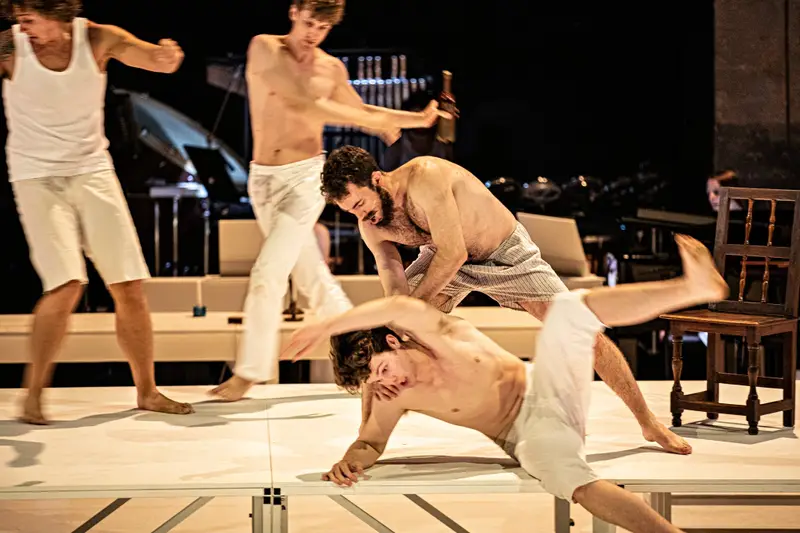
Yes, 200+ volunteer roles (ushers for Préludes, workshop facilitators for "Les Petites Nuits," and sustainability monitors for eco-zones) open in April 2026 via festival-aix.com/volontariat, providing free passes, training on safety/inclusion, and behind-scenes access to rehearsals with stars like Jonas Kaufmann for those contributing to the 50+ representations, with perks like artist meet-and-greets and gala dinners—sponsorship opportunities (€1,200+/$1,320 USD) for branding on programs or solar rigs (e.g., Ammodo Art's 2025 support for The Nine Jewelled Deer) are available by emailing communication@festival-aix.com, tying into major partners like CIC and TotalEnergies to gain visibility in an event generating €10-15 million for Bouches-du-Rhône's economy; artists can apply for commissions like the "Résonance" residency (e.g., 2025's Lucie Antunes with five projects including Symphonie pour 100 batteries, deadline February 2026 via site, 200+ submissions reviewed by a jury including France Musique scouts, prioritizing 40% female-led and 30% international acts from 88 Francophone countries) for world premieres and coproductions, with selected creators receiving €10,000–€50,000 funding, mentorship from Opéra de Paris, and exposure to 64,000 spectators—past residencies like Yoann Bourgeois' Le Petit Cirque (2025) highlight its launchpad for innovative works blending opera, dance, and music in the festival's eternal embrace since 1948.