
Marvão International Music Festival – Portugal 2026
Background & History
- Founding Vision: The Marvão International Music Festival (FIMM), launched in July 2014 by German conductor Christoph Poppen, emerged from his enchantment with Marvão’s medieval hilltop setting in Portugal’s Alto Alentejo region. Struck by the natural acoustics of Marvão Castle and the serene Serra de São Mamede Natural Park, Poppen collaborated with co-founders—Portuguese pianist Filipe Pinto-Ribeiro and violinist Aníbal Lima—to create a festival blending world-class classical music with the village’s 5,000-year cultural legacy. The debut featured the Gulbenkian Orchestra, setting a high bar for rural festivals.
- Early Years and Growth: Starting with 5–7 concerts in 2014, FIMM attracted 1,000 attendees to intimate venues like the castle ramparts and Igreja de Santa Maria. By 2016, it expanded to a 10-day format, incorporating cross-border performances in Spain’s Valencia de Alcántara, fostering Iberian cultural ties. Its focus on young talent, Portuguese composers (e.g., Carlos Seixas), and masterclasses distinguished it from urban counterparts like Lisbon’s Dias da Música.
- Key Milestones: By its 12th edition in 2026, FIMM will host 35–40 concerts, drawing 6,000–8,000 visitors annually and featuring 150+ musicians from 20+ countries. Notable moments include the 2018 integration of Tapeçerias de Portalegre art exhibitions, 2020’s hybrid streaming during COVID restrictions, and 2022’s record 10,000 attendees across Marvão, Portalegre, and Castelo de Vide. The 2025 edition (July 18–27) showcased Mozart masses and Baroque ensembles like Os Músicos do Tejo, setting a precedent for 2026’s diverse program.
- Cultural Significance: Rooted in Marvão’s history—from Neolithic dolmens (c. 4800 BCE), Celtic settlements, Roman Ammaia ruins, to 13th-century fortifications—FIMM symbolizes peace and cross-cultural collaboration, reflecting the village’s role as a historic border buffer with Spain. It boosts Alentejo’s economy by €2–3 million yearly, supports local artisans (e.g., cork crafts), and aligns with UNESCO’s intangible heritage goals through sustainable practices and community inclusivity.
- Recent Developments: In 2025, FIMM expanded its free Marvão Festival Chorus and Orchestra for global amateurs, introduced culinary events with chefs Thorsten Gillert and Julio Vintém, and hosted art exhibitions like António Cachola Collection. For 2026, expect a March program reveal, emphasizing chamber music, symphonies, and fado-classical fusions, with new partnerships like the European Festivals Association and potential Brazilian ensemble collaborations.
- Awards and Recognition: Praised by Público as “a jewel of classical music,” FIMM has secured EU Interreg funding for cross-border initiatives, German foundation grants for eco-practices, and Alentejo Tourism Board accolades for rural revitalization. Its 2023 sustainability award from Turismo de Portugal highlights its minimal environmental footprint.
- Global Reach: Since 2014, FIMM’s masterclasses have trained 600+ young musicians, and its 2021 live streams reached 50,000 viewers globally. Collaborations with orchestras like Cologne Chamber and artists like Juliane Banse position it as a global classical hub, blending Alentejo’s pastoral charm with international innovation.
- Community Impact: The festival engages locals through free workshops, supports 50+ regional businesses, and promotes Marvão as a year-round destination, with 30% of attendees returning for off-season tourism.
Event Highlights
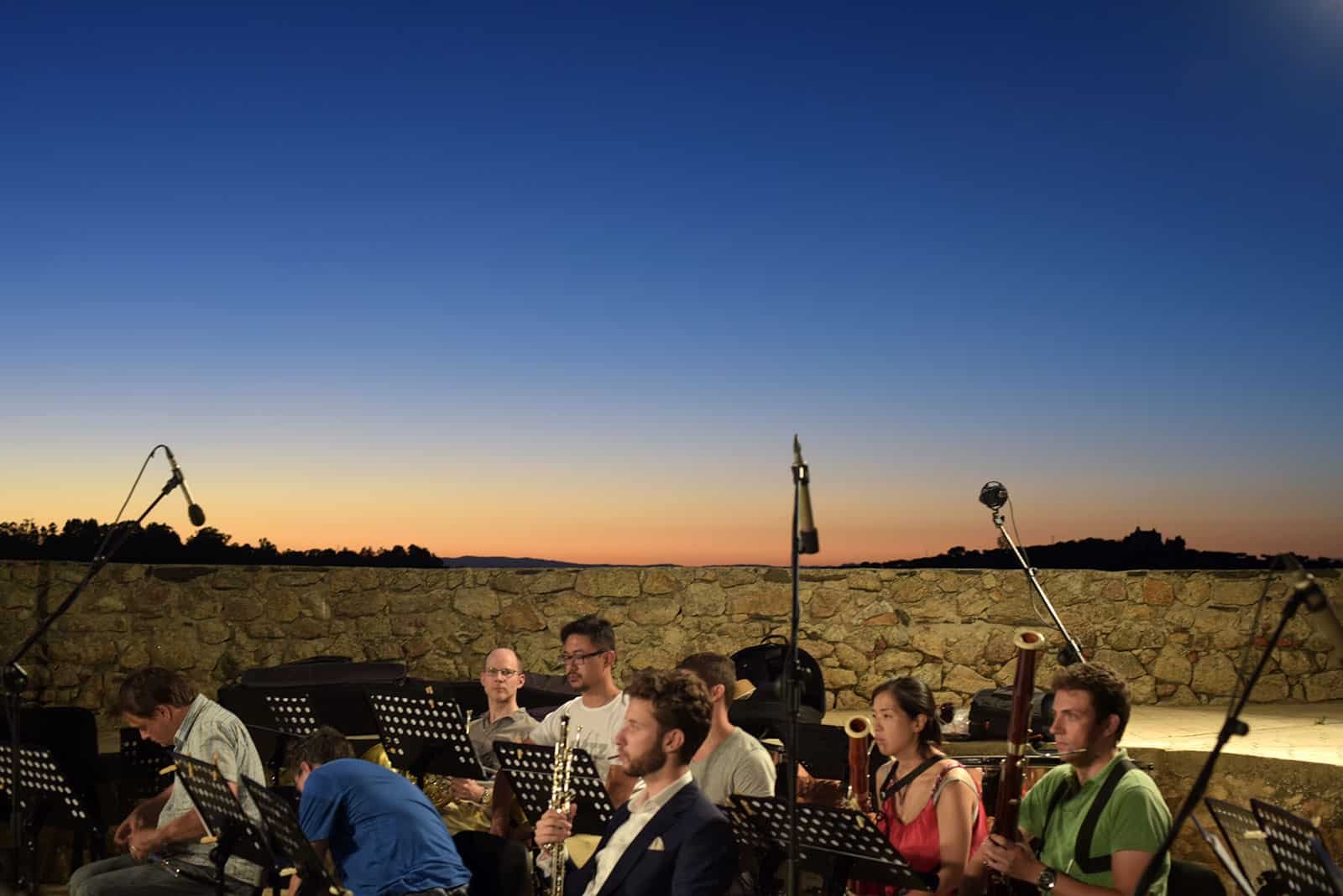
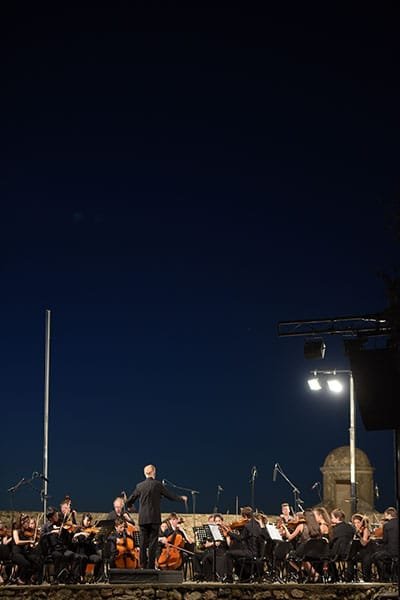
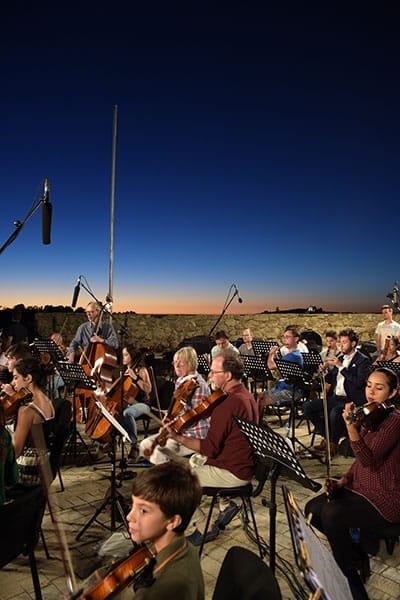
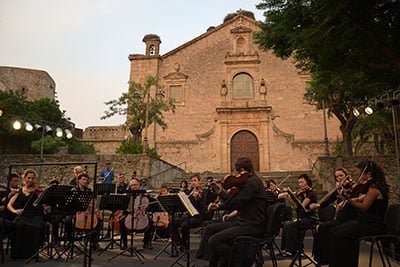
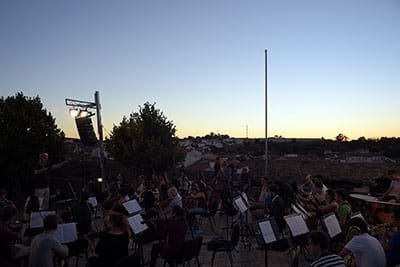
- Main Activities or Performances: FIMM features 35–40 concerts over 10 days, spanning Baroque (Bach, Vivaldi), Classical (Mozart, Beethoven), and modern Portuguese works (e.g., José Vianna da Motta). Venues like Marvão Castle host open-air symphonies, while Igreja de Santa Maria offers Gothic acoustics for masses. Expect 2026 stars akin to past performers (soprano Juliane Banse, pianist Maria João Pires) and local ensembles like Os Músicos do Tejo, blending fado with classical.
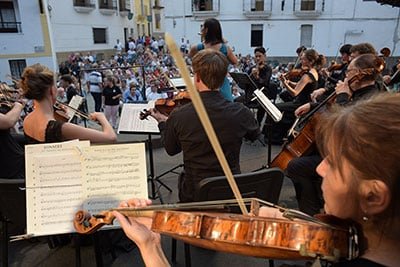
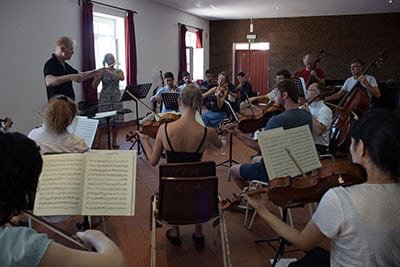
- Special Traditions or Features: The “Side-by-Side” program, a staple since 2016, pairs amateurs with professionals for public performances, with 2026 applications open for the Festival Chorus and Orchestra. Traditions include sunrise serenades from castle ramparts, a torchlit opening procession evoking Celtic rituals, and a closing “Festival Picnic” at Ammaia Roman ruins with live quartets. Masterclasses by maestros like Poppen focus on Iberian scales and cultural storytelling.
- Unique Attractions for Visitors: Marvão’s natural acoustics amplify every note; family-friendly concerts use interactive scores to teach kids; art exhibitions (e.g., António Cachola Collection) pair visual Alentejo heritage with music. Guided eco-tours explore Serra de São Mamede’s dolmens and wildlife, while musical dinners fuse arias with regional dishes by chefs like Julio Vintém.
- Additional Experiences: Cross-border concerts in Spain’s Extremadura (e.g., Valencia de Alcántara); yoga sessions with live harp in olive groves; pop-up markets for ceramics, tapestries, and cork crafts (€10–$11 USD); virtual streams for global audiences. Evening lectures on music history (e.g., fado’s classical roots) and artist Q&As foster dialogue.
- Community Engagement: Free workshops for locals include choral training and instrument-building; volunteer-led heritage walks visit megalithic sites. The “Music for All” ethos ensures 20–25% of events are free, with open rehearsals and matinees promoting rural inclusivity.
- Educational Outreach: Masterclasses for 50+ young musicians, free Festival Chorus for all skill levels, and school programs introduce classical music to 500+ regional students annually, enhancing Marvão’s cultural footprint.
Date & Duration
- Start Date: July 24, 2026
- End Date: August 2, 2026
Visiting this event? Don’t miss out on these amazing activities and local experiences while you’re here.
Venue / Location
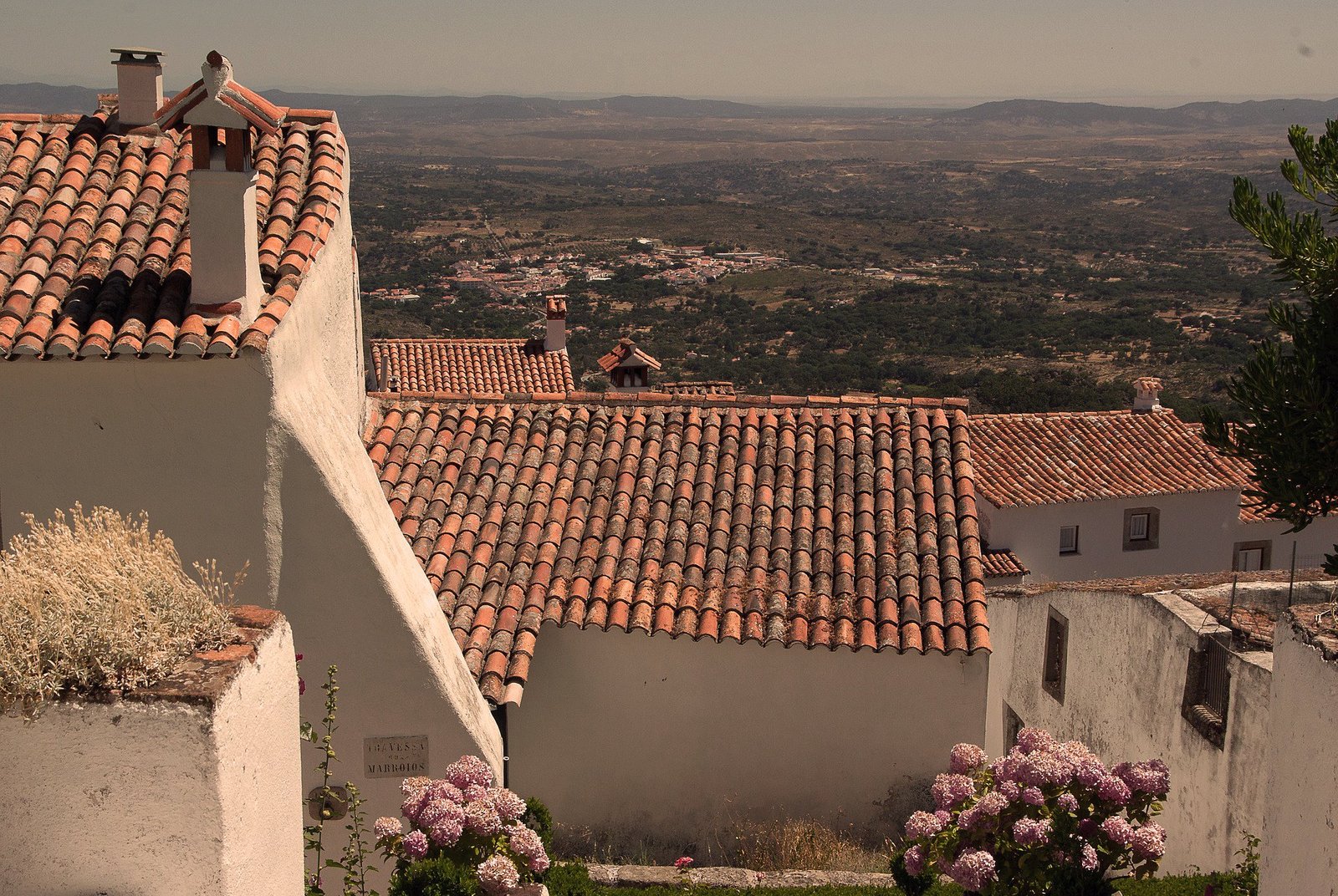
- City and Main Venue: Marvão, Alto Alentejo, Portugal—a UNESCO-recognized medieval walled village atop Serra de São Mamede Natural Park (1,025m elevation), offering panoramic views of Spain, olive groves, and cork oaks. Primary venues: Marvão Castle (13th-century ramparts for open-air symphonies), Igreja de Santa Maria (Gothic church for masses), and Pelourinho Square (cobblestone plaza for recitals).
- Notable Areas: Extensions to Portalegre’s Teatro José Luís Peixoto (modern 300-seat hall, 20 km away), Castelo de Vide’s synagogue ruins (15 km), and Ammaia Roman City (archaeological site for picnics, 5 km). Outdoor stages use minimal setups to preserve heritage; shaded lounges on cobblestone paths offer rest.
- Facilities: Seating for 200–500 per venue (reserved/general mix); accessibility ramps, hearing loops, and braille programs; multilingual guides (English/Portuguese/Spanish/German); eco-friendly restrooms, solar-powered lighting, and water refill stations. Info desks provide maps, artisan guides, and lost & found.
- Environmental Commitment: Biodegradable materials, zero-waste catering, and shuttle buses reduce carbon footprint, aligning with park conservation goals.
- Google Maps Address: Rua do Espírito Santo, 3-A, 7330-117 Marvão, Portugal
Ticket Information
- How Tickets Are Sold: Primarily online via Ticketline.pt and marvaomusic.com (early-bird March–May 2026); limited on-site sales at Pelourinho Square box office (Visa/MasterCard, no cash). Bundles include 10-day passes, musical dinners, or Festival Chorus participation; group discounts (10+ tickets, 15% off) for families/schools; no lottery system.
- Admission Type: Paid for main concerts; free for workshops, children’s concerts, chorus rehearsals, and select matinees (under-12s free with adult, max 2 per ticket, ID required). Approximately 25% of events are free to promote inclusivity.
- Ticket Pricing in USD: Single concert tickets €15–€40 (~$16.50–$44 USD); 10-day passes €100–€200 (~$110–$220 USD); premium experiences (musical dinners, VIP meet-and-greets) €50–€80 (~$55–$88 USD). Free events include kids’ concerts and open rehearsals.
- Special Seating or VIP Options: VIP tickets (€60–€100/~$66–$110 USD extra) offer front-row castle seats, private artist receptions, and signed programs. Accessible seating reserved via info@marvaomusic.com; priority for elderly/disabled with companion seats.
- Minimum and Maximum Pricing: Minimum: $16.50 USD (single general admission); Maximum: $220 USD (10-day VIP pass with dinner bundle).
- Additional Notes: Prices based on 2025 rates (1 EUR ≈ 1.10 USD); non-refundable but transferable via website; castle concerts sell out within days—book by April. Student discounts (25% with ID); family packages include kids’ activities and picnic access.
Contact Information
- Email: info@marvaomusic.com (general inquiries, tickets, accessibility); program@marvaomusic.com (lineup, chorus/orchestra applications); press@marvaomusic.com (media kits, interviews); volunteer@marvaomusic.com (roles like ushers, eco-guides).
- Phone: +351 245 909 131 (festival office, 10 AM–6 PM GMT, English/Portuguese/German/Spanish); +351 245 993 122 (Marvão Tourist Office for venue/logistics, same hours).
- Website: https://marvaomusic.com (English/Portuguese/Spanish/German; tickets, program, live streams); https://www.cm-marvao.pt/en (local partner for tourism, maps).
- Social Media: @MarvaoMusicFestival (Facebook/Instagram for artist reveals, recaps, live clips); #FIMM2026 (X/Twitter for real-time updates); Bluesky: marvaomusic.bsky.social (emerging platform for fan engagement).
- Key Staff: Christoph Poppen (Artistic Director, conductor); Filipe Pinto-Ribeiro (President/Co-Founder, pianist); Aníbal Lima (Co-Founder/Programming, violinist); contact info@ for bios or inquiries.
- Press/Volunteers: Press kits (high-res photos, artist profiles, program notes) via press@; volunteer applications open February 2026 via volunteer@—roles include ticketing, setup, heritage tours; perks: free entry, meals, merch (€20–$22 USD value). Response time ~24–48 hours.
- Note: Multilingual support; payments via Visa/MasterCard, PayPal, bank transfer; GDPR-compliant data handling; lost & found at Pelourinho box office or via email.
Cultural Experience
- Traditions: FIMM opens with a torchlit procession to Marvão Castle, evoking medieval pilgrimages and Celtic fire rituals, symbolizing cultural unity. The closing “Festival Picnic” at Ammaia Roman ruins blends music with storytelling about Roman legions, Jewish exoduses, and Moorish influences, tying to Marvão’s 5,000-year history. Local choirs perform Alentejo “cante” (UNESCO-listed polyphonic singing) alongside classical sets, grounding the festival in regional roots.
- Music: Repertoire spans Baroque (Bach’s Brandenburg Concertos, Vivaldi’s Four Seasons), Classical (Mozart’s Requiem, Beethoven’s quartets), and modern works by Portuguese composers like José Vianna da Motta, infused with fado’s melancholic tones. Side-by-side concerts feature amateurs with pros; masterclasses explore Iberian scales, Andalusian flamenco influences, and fado-classical fusions.
- Costumes and Attire: Elegant summer attire—linen suits, floral dresses, or shawls—for castle evenings; performers wear period costumes for Baroque (e.g., ruffled collars) or black-tie for symphonies. Local markets sell handwoven scarves, Celtic-motif jewelry, and cork accessories (€10–$11 USD), reflecting Alentejo craftsmanship.
- Local Customs: Alentejo’s hospitality shines in post-concert “conversas à mesa” (table chats) over wine, fostering community. Workshops teach cork-carving, Portalegre tapestry-weaving, and olive oil tasting, rooted in regional traditions. Sustainability is central: “leave no trace” in the park, with eco-tours highlighting dolmens, eagles, and cork oaks.
- Immersive Elements: Guided walks to megalithic sites (e.g., Anta da Coutada, 7 km) link music to prehistory; family sessions use percussion for kids’ rhythm lessons; cross-border events with Spain’s Extremadura musicians emphasize shared Iberian heritage. Artist Q&As discuss music’s role in peacebuilding, inspired by Marvão’s historic border role.
- Cultural Dialogue: Lectures on fado’s classical roots or Mozart’s Iberian influences; pop-up exhibitions like Tapeçerias de Portalegre; and artist meet-and-greets create a global-local nexus, with 2025 attendees praising the “intimate, borderless vibe.”
Food & Drinks
- Must-Try Specialties: Açorda alentejana (bread soup with shrimp, garlic, coriander, €8/$8.80 USD), migas com carne (fried breadcrumbs with pork, €10/$11 USD), and ensopado de borrego (lamb stew with rosemary, €12/$13.20 USD) at musical dinners, showcasing Alentejo’s rustic, olive oil-rich cuisine.
- Light Bites: Queijo de Serpa (creamy sheep’s cheese, €5/$5.50 USD), enchidos (cured sausages, €6/$6.60 USD), and vegetarian gazpacho alentejano (€4/$4.40 USD) from pop-up stalls. Gluten-free options include wild mushroom croquettes and grilled vegetable espetadas (€4–$4.40 USD).
- Desserts: Sericaia (egg custard with plums, €3/$3.30 USD), pão de rala (cinnamon bread pudding, €3.50/$3.85 USD), and boleima (apple cake with almonds, €3/$3.30 USD) from local bakeries, ideal for Ammaia picnics.
- Beverages: Alentejo reds like Herdade do Rocim (€4–$4.40 USD/glass), whites like Esporão (€3.50/$3.85 USD); medronho (arbutus berry firewater, €3/$3.30 USD); non-alcoholic sumol (citrus soda, €2/$2.20 USD) and herbal teas from Serra honey (€1.50/$1.65 USD).
- Special Offerings: Musical dinners curated by chefs like Thorsten Gillert or Julio Vintém (€50–$55 USD, book via Ticketline) feature multi-course menus paired with live music; vegan/gluten-free adaptations (e.g., chickpea açorda); eco-packaged stalls with compostable plates. Picnic baskets (€20/$22 USD) include cheese, bread, wine, and sericaia for ruins events.
- Unique Twists: “Symphony Sips” pair wines with live quartets (e.g., Rocim red with Beethoven’s Fifth); pop-up stalls offer “fado-inspired” tapas like cod croquettes with thyme (€5/$5.50 USD); gelado stands with flavors like “Serra Lavender” or “Olive Oil & Rosemary” (€3/$3.30 USD) during evening concerts.
Getting There
- Nearest Airports: Humberto Delgado (LIS, Lisbon, 230 km/2.5-hour drive) with 100+ daily flights from Europe/USA; Badajoz (BJZ, Spain, 75 km/1-hour drive) for budget carriers; Porto (OPO, 400 km/4-hour drive) for northern access.
- Public Transport: Rede Expressos bus from Lisbon’s Sete Rios to Portalegre (3.5 hours, €20–$22 USD), then taxi to Marvão (20 km, €25/$27.50 USD). No direct trains—Portalegre station (20 km) nearest; festival shuttles from Portalegre/Castelo de Vide TBD (€5–$5.50 USD, schedules on marvaomusic.com). Cross-border buses from Badajoz (€10/$11 USD, 1 hour).
- Driving and Parking: A23/IP2 from Lisbon (2.5 hours, €40/$44 USD fuel/tolls); free parking at Marvão’s base (200 spots, EV chargers at Pousada); rentals via Discovercars (€30–$33 USD/day). Serra’s winding roads require cautious driving—check weather for fog.
- Local Access: Taxis/Uber from Portalegre (€25/$27.50 USD); e-bike rentals (€15/$16.50 USD/day) from Pombais Experience Marvão for hill paths; walking from Beirã station (9 km, 2 hours) via scenic trails with dolmen markers. Free festival shuttles planned from Castelo de Vide (10 km, 15 min).
- Tips: Rent a car for flexibility (highly recommended per Tripadvisor); Moovit or Rome2Rio apps for bus schedules; book transfers via +351 245 909 131; arrive 1 hour early for parking during peak castle concerts; e-bikes ideal for eco-conscious exploration.
Accommodation Options
- Hotels in Marvão: Pousada de Marvão (inside castle walls, €120–$132–€200/$220 USD/night, panoramic views, pool, breakfast); Albergaria El Rei Dom Miguel (€80–$88–€100/$110 USD/night, central, family-run with Alentejo decor).
- Guesthouses/B&Bs: Casa dos Varandas (€70–$77–€90/$99 USD/night, medieval stone rooms with valley views); Maruan Heaven (€90–$99–€110/$121 USD/night, terraces facing Spain, organic breakfast).
- Camping: Campscape Beirã Marvão (€20–$22 USD/night, eco-tents with showers, birdwatching tours); ACSI-rated Parque de Campismo Marvão (10 km, €15–$16.50 USD/night, glamping pods with Wi-Fi).
- Nearby Options: Castelo de Vide’s Hotel Convento da Província (10 km, €100–$110–€140/$154 USD/night, spa, historic convent); Portalegre Airbnbs (€60–$66–€80/$88 USD/night, modern apartments with kitchens).
- Luxury/Alternatives: Train Spot Guesthouse (former Beirã station, 9 km, €110–$121–€150/$165 USD/night, quirky train-themed suites); eco-lodges in Serra park (€80–$88–€120/$132 USD/night, sustainable design with stargazing decks).
- Tips: Book 6–9 months via Booking.com or marvaomusic.com for festival discounts; 90–100% occupancy during event; free shuttles from Portalegre/Castelo de Vide hotels; chorus participants may access homestays via program@marvaomusic.com; check for pet-friendly options.
Maps
Contact
Video
FAQ's
What are the 2026 dates, ticket prices, and how to purchase them?
Projected July 17–26, 2026 (10 days; confirm via marvaomusic.com by March). Single tickets €15–€40 (~$16.50–$44 USD); 10-day passes €100–€200 (~$110–$220 USD); VIP/dinner bundles €50–€80 (~$55–$88 USD). Buy online at Ticketline.pt or on-site (card-only); under-12s free (max 2 per adult); early-bird from March—castle shows sell out fast.
What venues and unique features define FIMM’s experience?
Venues: Marvão Castle (open-air symphonies), Igreja de Santa Maria (Gothic masses), Ammaia ruins (picnics), Portalegre’s Teatro José Luís Peixoto. Features: Side-by-side amateur/pro concerts, free Festival Chorus (apply at program@), sunrise serenades, cross-border Spanish events, and art exhibitions like António Cachola Collection. Eco-tours and fado-classical fusions tie to Alentejo’s 5,000-year heritage.
How do I travel to Marvão from Lisbon or Spain, and what’s the best option?
From Lisbon Airport: Drive A23 (2.5 hours, €40/$44 USD fuel/tolls); Rede Expressos bus to Portalegre (3.5 hours, €20/$22 USD) + taxi (€25/$27.50 USD). From Badajoz, Spain (75 km): Drive/taxi 1 hour (€15/$16.50 USD). Car rentals (€30/$33 USD/day) best for hilly terrain; festival shuttles TBD (€5/$5.50 USD); e-bikes (€15/$16.50 USD) for paths. Book transfers via +351 245 909 131.
What food, drinks, and dietary options are available at the festival?
Alentejo specialties: Açorda (€8/$8.80 USD), lamb stew, sericaia desserts (€3/$3.30 USD). Vegan/gluten-free gazpacho, mushroom croquettes; Alentejo reds (€4/$4.40 USD), medronho (€3/$3.30 USD). Themed musical dinners (€50/$55 USD) and picnic baskets (€20/$22 USD) use local, eco-sourced ingredients; cashless stalls with compostable packaging.
What should families pack, and how to prepare for a rural festival experience?
Pack layers for cool mountain nights, hiking shoes for trails, sunscreen, reusable water bottle (free refills). Family perks: Free kids’ concerts, chorus for teens, interactive rhythm workshops. Book accommodations 6–9 months early; download festival app for maps/schedules; bring binoculars for castle views and stargazing in Serra’s clear skies. Contact info@ for accessibility needs.