


Paléo Festival Nyon – Switzerland 2026
Background & History
The Paléo Festival Nyon, a cornerstone of European open-air music festivals and Switzerland’s largest, originated in 1974 as the Paléo Arts & Spectacles association, initially known as the Folk Club de l’Escalier, a grassroots collective of music lovers in the quaint lakeside town of Nyon, Vaud canton. This group, fueled by a deep appreciation for folk and acoustic traditions, began organizing small-scale concerts in local venues, featuring intimate performances by artists such as Maxime Le Forestier, Baden Powell, and Claude Nougaro, setting the stage for a cultural movement that would resonate across generations. In 1976, the association took a bold leap by launching the inaugural First Folk Festival in Nyon’s historic old town hall, headlined by folk luminaries like Malicorne, John Renbourn, and Jack Treese, attracting an enthusiastic crowd of 1,800 spectators and establishing Paléo as a dedicated annual event deeply rooted in Switzerland’s alpine and lakeside heritage. The following year, 1977, marked a transformative shift when the festival moved outdoors to the picturesque Colovray site along Lake Geneva, embracing the region’s natural beauty—surrounded by vineyards, medieval castles, and the Jura mountains—to create an immersive experience that blended music with the serene Swiss landscape, drawing larger crowds and expanding its appeal beyond folk to include emerging genres.
Over nearly five decades, Paléo has undergone remarkable evolution, growing from its modest folk origins into a sprawling six-day, six-night extravaganza that welcomes over 250,000 attendees annually, as evidenced by the 2024 edition’s impressive figures of 250,000 festivalgoers, 200+ concerts and shows across eight stages, and a vibrant array of 150 stalls. This expansion mirrors Nyon’s own rich historical tapestry—a town founded in Roman times as Noviodunum, evolving through medieval trade routes along Lake Geneva into a modern hub of cultural exchange in the French-speaking Romandy region. The festival’s relocation in 1990 to the expansive Asse site, an 80-hectare pastoral area north of Nyon crisscrossed by the river Asse and wooded biological corridors, allowed for unprecedented scale, enabling multiple stages and diverse programming that has hosted over 2,000 artists, including jazz icons like Miles Davis in 1990, surprise guests such as Bob Dylan in 1995 under the new Dôme stage, and rock legends like Muse, Red Hot Chili Peppers, Iron Maiden, Elton John, Rammstein, Sting, Johnny Hallyday, and The Cure. Memorable moments abound, from Neil Young’s transcendent rain-drenched performances in 1993 and 2013—defying Swiss weather whims—to the festival’s resilient adaptations during the 2020-2021 COVID-19 pandemic, which included cancellations followed by hybrid virtual streams and enhanced safety protocols, underscoring its commitment to community and continuity.
As a non-profit cultural association receiving no public subsidies, Paléo’s financial independence is sustained through ticket sales, sponsorships, and innovative revenue streams, allowing it to reinvest in volunteer support, environmental initiatives, and regional socio-cultural projects, embodying core Swiss values of precision, neutrality, self-reliance, and communal solidarity. The festival’s name, derived from “paleo” meaning ancient or foundational, pays homage to its folk roots while embracing modern inclusivity, with programming that spans musical styles, circus arts, and street performances to appeal to an intergenerational, multi-lingual audience from across Europe and beyond. In recent years, Paléo has amplified its role as a social and environmental pioneer, earning accolades like the 2025 Industry Champion Award for coordinator Pascal Viot’s dedication, the Community Action Award at the International AGF Awards for its inclusion efforts, and the “Greener Festival – Commended” certification from A Greener Future for sustainability practices. For its 51st edition in 2026, coinciding with the 50th anniversary of the first folk festival, Paléo is poised to celebrate with retrospective exhibitions, enhanced digital integrations like VR artist interactions, and ambitious goals from its environmental roadmap—aiming for a 25% reduction in emissions by 2030—while continuing to nurture Switzerland’s cultural landscape amid Vaud’s vineyards, alpine vistas, and Lake Geneva’s tranquil shores, ensuring it remains a vibrant, volunteer-powered testament to collective joy and planetary stewardship.
Enjoy Your Event Stress-Free with Euro Travelo
Planning a trip to attend a festival, concert, or business event in Europe can be overwhelming—tickets, travel, accommodation, and local logistics all take time and effort. Euro Travelo makes it simple by providing everything you need through one trusted company. You save time, avoid stress, and enjoy a seamless experience from start to finish.
- Origins and Formative Years with Folk Emphasis: Born in 1974 as the Folk Club de l’Escalier in Nyon, a town with Roman Noviodunum roots and medieval trade history along Lake Geneva, the association hosted early concerts by Maxime Le Forestier and Baden Powell in intimate settings; the 1976 debut First Folk Festival in the old town hall, featuring Malicorne and John Renbourn, attracted 1,800 enthusiasts, establishing Paléo’s foundation in acoustic traditions amid Switzerland’s alpine cultural heritage, with initial challenges like venue constraints fostering a resilient community spirit.
- Site Relocations and Attendance Milestones: The 1977 move to lakeside Colovray amplified outdoor immersion, drawing 10,000 by the 1980s with folk expansions; the pivotal 1990 shift to the 80-hectare Asse site, crisscrossed by river Asse and wooded corridors in five communes owned by 20 farmers, enabled multi-stage growth, hitting 100,000 attendees in the 1990s and peaking at 300,000 in sold-out editions like 2019, with iconic additions such as the Dôme stage for intimate surprises and Grande Scène for massive crowds, reflecting Nyon’s evolution from Roman outpost to modern festival hub.
- Cultural, Social, and Environmental Evolution: From folk purity to diverse programming encompassing jazz (Miles Davis 1990), rock (Iron Maiden), and electro, Paléo promotes Swiss-French unity through its non-profit, subsidy-free model and 5,400-strong volunteer “family”; pandemic adaptations in 2020-2021 with virtual streams reinforced its resilience, while recent awards like 2025’s Industry Champion and Community Action honors, plus “Greener Festival” certification, highlight commitments to inclusion, sustainability (reusable tableware since 2022), and regional socio-cultural support in Vaud’s viticultural landscape.
- Modern Innovations and Vision for 2026’s 51st Edition: Recent eco-roadmap updates target 25% emissions reduction by 2030, with measures like green energy since 2006 and local sourcing; for 2026’s milestone 50th anniversary from the 1976 folk debut, anticipate retrospective folk revivals, VR-enhanced experiences, expanded circular economy practices (e.g., waste recycling at 63% in 2019), and deeper integrations with Nyon’s agroecological “Frontière” network, ensuring Paléo’s role as a forward-thinking beacon of Swiss cultural and environmental innovation.
Event Highlights
The Paléo Festival Nyon erupts into a mesmerizing six-day, six-night odyssey of sensory splendor, sprawling across 80 hectares of Swiss countryside with eight dynamically profiled stages that deliver over 200 concerts and shows, weaving a rich tapestry of musical genres from thunderous rock and pulsating electro to soulful jazz, vibrant world beats, and nostalgic folk, all set against the breathtaking backdrop of Lake Geneva’s shimmering waters, the Jura mountains’ majestic silhouettes, and Vaud’s lush vineyards. This ephemeral utopia, hosting 250,000 festivalgoers as in 2024, transforms the Asse plains into a living, breathing city where the Grande Scène commands epic crowds with international headliners echoing past triumphs like Muse’s high-octane sets or The Cure’s atmospheric reveries, while intimate venues like the Club Tent or Arches nurture underground discoveries through competitive “tremplins” showcases that receive hundreds of submissions annually, fostering emerging Swiss and European talents in a spirit of artistic democracy. For 2026, with the lineup unveiled in early spring following 2025’s diverse array, anticipate a program that honors the festival’s 50th anniversary from its 1976 folk roots, potentially featuring hybrid virtual stages for global access, genre-blending collaborations inspired by Switzerland’s multilingual heritage, and enhanced lighting spectacles that illuminate the river Asse’s biological corridors, creating personalized immersive journeys via the Paléo mobile app for crowd navigation, setlist predictions, and interactive fan-voted encores.
Paléo’s enchantment extends far beyond auditory delights, crafting a holistic cultural immersion through a vibrant mosaic of circus acrobatics, street theater performances, and interactive art installations that evoke Nyon’s medieval market traditions and Roman spectacle legacies, with themed zones like La Ruche offering family-oriented puppetry workshops and storytelling sessions amid alpine folklore motifs, or eco-villages hosting biodiversity seminars and sustainable craft demonstrations that tie into Vaud’s agroecological networks. The “No Cash” wristband system streamlines indulgence across 136 food stalls and 47 bars—many operated by local charities to funnel profits into community causes—where attendees savor global cuisines alongside Swiss specialties in reusable tableware, fostering convivial picnics and late-night feasts under solar-powered canopies that underscore the festival’s carbon-neutral ambitions. Volunteer hospitality infuses every corner with warmth, from quiet decompression zones equipped with ear protection amid the sound charter’s regulations to prevention hubs addressing health, alcohol awareness, and inclusivity, all culminating in nightly fireworks that paint the Lake Geneva horizon in a blaze of collective euphoria, leaving participants with profound memories of Switzerland’s harmonious blend of tradition, innovation, and planetary care.
- Main Activities or Performances: A whirlwind of over 200 concerts and shows across eight stages, with Grande Scène anchoring headliner spectacles (past Red Hot Chili Peppers, Elton John), Arches for world music fusions drawing from global submissions, and Club Tent for late-night electro marathons until 4 AM; circus and street arts integrate aerial acrobats and jugglers in themed performances inspired by Swiss carnival traditions; interactive “tremplins” competitions spotlight 50+ emerging bands from Europe, with fan voting and mentorship sessions; nightly thematic evenings may include folk retrospectives for the 50th anniversary, enhanced by 2026’s VR artist interactions and app-synced light shows that allow personalized setlist curation and crowd-sourced encores, all amid Vaud’s alpine acoustics.
- Special Traditions or Features: The deeply ingrained “Paléo family” volunteer ethos, involving 5,400 helpers in a non-profit model that emphasizes trust and respect, with traditions like charity-run bars donating profits to regional causes and “Aspirators” teams ensuring site cleanliness through waste-sorting rituals that achieve 63% recycling rates; eco-traditions since 2006 include 100% green energy usage, returnable tableware systems implemented in 2022, and biodiversity protections along the river Asse’s wooded belts; special anniversary features for 2026 could include historical folk revivals honoring the 1976 debut, with quiet zones for decompression, ear plug distributions under the sound charter, and inclusive LSF-translated concerts to celebrate Switzerland’s multilingual heritage.
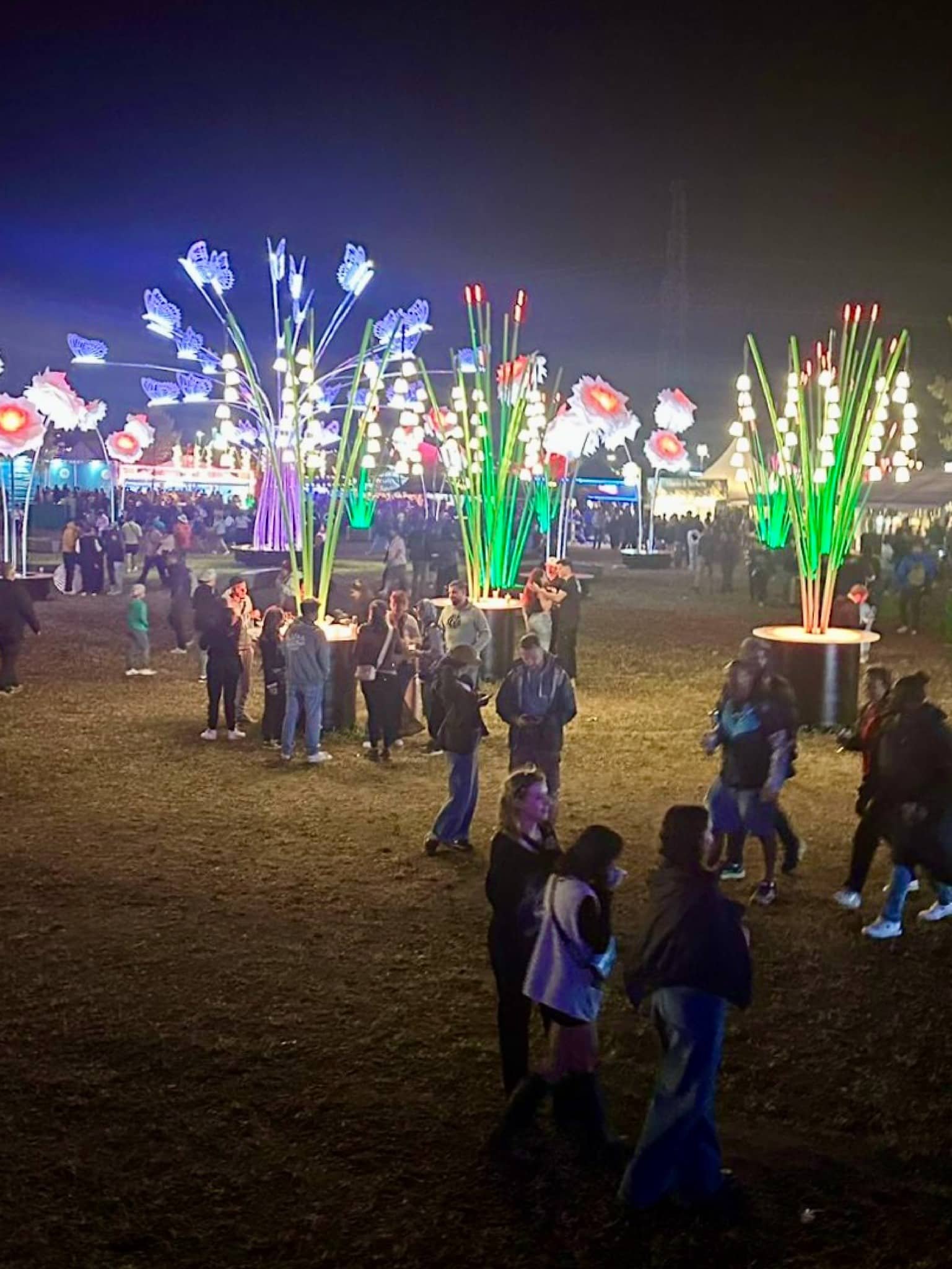
- Unique Attractions for Visitors: Immersive themed atmospheres like ethereal light forests with drone-enhanced visuals or eco-villages offering hands-on sustainability workshops on circular economy practices, such as upcycling crafts from festival materials; kids’ areas with alpine-inspired storytelling, puppetry, and mini-instrument building tied to Vaud’s folk traditions; secure bike parks and pedestrian paths promoting soft mobility from Nyon/Prangins; the “No Cash” wristband for seamless access to 150 stalls, including loyalty rewards for eco-actions like recycling; for 2026, anticipate innovative additions like AI-curated “solidarity hunts” via the app, unlocking volunteer perks or backstage insights, and drone eco-tours highlighting the site’s 20 landowners’ agroecological collaborations, all fostering a profound sense of communal and environmental connection.
Date & Duration
- Dates: July 21–26, 2026 (Tuesday to Sunday, as officially scheduled for the 51st edition, aligning with Paléo’s traditional mid-July timing to leverage Switzerland’s peak summer weather, long daylight hours for outdoor activities, and the region’s vibrant festival season along Lake Geneva, with program announcements expected in early spring 2026 following the pattern of previous years).
- Duration: 6 days and 6 nights of uninterrupted festivities, with gates opening at noon each day for afternoon explorations of stalls and workshops, escalating into evening concerts from 5 PM onward, and extending through late-night shows until 4 AM, creating a total immersion spanning over 144 hours that includes pre-event camping setups from July 20 and volunteer debriefs post-festival.
- Additional Notes: The schedule is designed to be weather-resilient, with covered stages and contingency plans for alpine showers or heatwaves, drawing from experiences like Neil Young’s rain-defying sets; full timetables, including stage rotations and special anniversary events for the 50th milestone from 1976, will be released as interactive PDFs on paleo.ch by March 2026, allowing for personalized planning via the mobile app; the timing ties into broader Vaud cultural events, such as nearby lake fireworks or vineyard tours, encouraging extended regional visits.
Visiting this event? Don’t miss out on these amazing activities and local experiences while you’re here.
Venue / Location
- Main Venue: Asse site, Rte de St-Cergue 312, 1260 Nyon, Vaud, Switzerland (46.4061° N, 6.2208° E), an expansive 80-hectare natural reserve north of Nyon, featuring the meandering river Asse, dense wooded biological corridors that serve as vital wildlife habitats, and open meadows transformed annually into a festival city since the relocation in 1990, offering panoramic views of Lake Geneva and the Jura mountains that enhance the alpine ambiance.
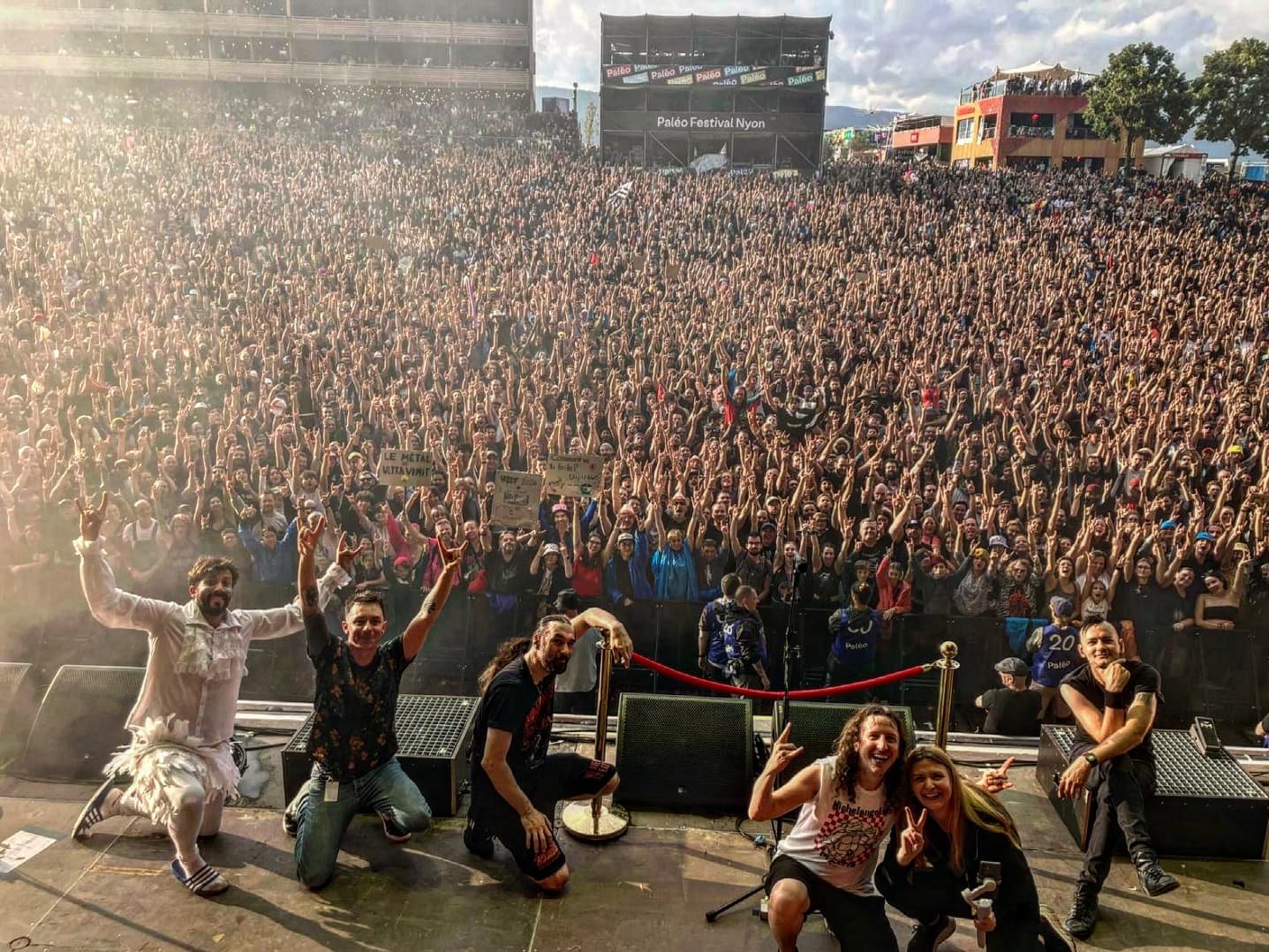
- Notable Areas: Grande Scène as the central hub for massive crowds of up to 50,000, equipped with state-of-the-art acoustics and lighting; Arches and Club Tent for intimate, shaded performances with capacities of 5,000-10,000; La Ruche family zone with playgrounds and workshops nestled in greener pockets; an 8,500-spot campsite with hot showers, security patrols, and eco-facilities like composting toilets; 136 food stalls and 47 bars clustered in themed global villages for culinary diversity; dedicated eco-zones with solar-powered installations and biodiversity exhibits highlighting the site’s role in the Nyon “Frontière” agroecological network.
- Regional Context: Situated in the heart of Vaud canton along Lake Geneva’s northern shore, near medieval Nyon (founded as Roman Noviodunum with 12th-century castles and Roman ruins) and just 20 km from cosmopolitan Geneva, the venue’s pastoral setting amid vineyards and alpine foothills facilitates easy access while preserving local farming traditions across five communes and 20 landowners, integrating seamlessly with Switzerland’s efficient public transport and emphasizing the region’s viticultural heritage through on-site wine tastings.
- Google Maps Address: Rte de St-Cergue 312, 1260 Nyon, Switzerland; comprehensive interactive maps available on paleo.ch, detailing shuttle routes, pedestrian paths, bike parks, and accessibility features like ramps through the site’s natural terrains and biological corridors.
Ticket Information
- How Tickets Are Sold: Primarily through the official paleo.ch website, with early Christmas offers launching in December 2025 (details announced end of November 2025) for bundled packages and loyalty perks; the Paléo mobile app facilitates digital ticketing with QR scans and “No Cash” wristband integrations for seamless entry and on-site transactions; reduced tariffs available for children under 12 (free entry), disabled persons, students, and the unemployed via verified applications; ticket checks emphasize official sources to combat fraud, with resale strictly regulated through secure platforms; group bookings and camping add-ons can be secured online, with customer accounts allowing for personalized management and notifications.
- Admission Type: Paid admission for attendees aged 12 and above, with free entry for children under 12 accompanied by adults to promote family inclusivity; reduced rates for disabled individuals (including free companion passes), students, and the unemployed to ensure broad accessibility; special provisions for PRM (persons with reduced mobility) with dedicated platforms and care areas like L’Entracte for enhanced support.
- Ticket Pricing (USD): 6-day full pass: $220-$275 USD (CHF 200-250), offering unlimited access to all stages and activities; single-day tickets: $77-$99 USD (CHF 70-90) for flexible attendance; camping add-ons: $33-$44 USD (CHF 30-40) including secure facilities and shuttle services; VIP packages with exclusive lounges, priority entry, and premium views: $330-$440 USD (CHF 300-400); prices reflect 2025 rates with potential minor adjustments for inflation, maintaining Paléo’s commitment to affordability as a non-subsidized event.
- Special Seating or VIP Options: VIP Arches lounges provide elevated seating, private bars, and fast-track access with complimentary perks like drinks vouchers ($330-$440 USD); PRM platforms offer reserved seating with companions, ramps, and dedicated volunteers at reduced rates; family-oriented seating zones include child-friendly amenities with add-ons for quiet areas ($0-$22 USD for extras like ear protection or priority parking), ensuring the festival’s inclusive philosophy extends to all demographics.
- Price Range: $77-$440 USD (from single-day general admission to comprehensive VIP 6-day passes with camping, lounge access, and additional perks like merchandise bundles).
Contact Information
- Email: info@paleo.ch (general inquiries, ticketing support, and program details); access@paleo.ch (accessibility accommodations and PRM requests); presse@paleo.ch (media relations, press kits, accreditation, and interviews); benevoles@paleo.ch (volunteer applications, coordination, and training information); stands@paleo.ch (for food, craft, or charity stall partnerships).
- Phone: +41 22 365 10 10 (main festival office for direct assistance, available in French, English, and German during business hours from 9 AM to 5 PM); +41 22 361 41 41 (Nyon Tourism Office for regional guidance, lodging recommendations, and transport queries).
- Website: https://www.paleo.ch (official portal with lineup announcements, interactive maps, ticket sales, environmental policy details, and volunteer registration forms); https://www.nyon-tourisme.ch (local tourism site for Nyon attractions, Lake Geneva excursions, and festival-related travel tips).
- Social Media: @paleofestival (Instagram and TikTok for real-time updates, artist teasers, and behind-the-scenes stories); @PaleoFestival (Facebook and X/Twitter for event streams, discussions, and photo galleries); #Paleo2026 (official hashtag for user-generated content, trending posts, and community engagement); Deezer playlists for lineup previews; YouTube for archival concert footage and talk sessions; newsletter subscriptions on paleo.ch for early ticket alerts and sustainability announcements.
- Key Staff: Opus One team (handling promotion and programming oversight); Paléo Arts & Spectacles board (non-profit governance and cultural direction); Environment Commission (leading sustainability initiatives like the eco-roadmap); Hospitality & Security coordinator Pascal Viot (recognized with 2025 Industry Champion Award for dedication); regional DRAC equivalents for Swiss-French cultural partnerships (contact via info@paleo.ch for specifics).
- Press/Volunteers: Press kits, accreditation, and embeds available through presse@paleo.ch, including access to artist interviews, photo passes, and sustainability reports; volunteer opportunities for over 5,400 roles in sectors like security, hospitality, eco-monitoring, and stage setup via benevoles@paleo.ch, with registrations opening online at the end of April 2026 (forms sent earlier to returning volunteers by sector managers), offering perks such as drinks vouchers, invitations, meals, and an addictive sense of community involvement in Switzerland’s largest festival.
- Note: Response times typically 24-48 hours for emails and calls; full multilingual support in French, English, German, and select others to reflect Switzerland’s linguistic diversity; newsletter sign-ups at paleo.ch for 2026 lineup reveals, ticket offers, and weather updates; all communications adhere to GDPR-compliant privacy policies and cookie declarations, ensuring data protection while promoting the festival’s ethical standards.
Cultural Experience
The Paléo Festival Nyon is a luminous cultural symphony etched into the alpine heart of Switzerland, where six days and nights along Lake Geneva’s shores revive Nyon’s ancient Roman and medieval legacies through a vibrant prism of musical diversity, communal solidarity, and environmental harmony that draws 250,000 participants into a shared tapestry of joy and reflection. Rooted in the folk traditions of its 1976 inception amid Vaud’s verdant vineyards and Jura foothills, Paléo embodies the Swiss-French “convivialité”—a harmonious blend of precision, neutrality, and passionate exchange—inviting attendees to immerse in a living mosaic of sounds from global rock anthems echoing across the Grande Scène to intimate yodel-infused folk sessions in shaded groves, all while honoring the region’s multilingual heritage (French, German, Italian, Romansh) through inclusive programming that fosters cross-cultural dialogues and intergenerational bonds. Festivalgoers become part of an ephemeral “Paléo family,” where 5,400 volunteers in traditional alpine attire—embroidered vests and feathered hats evocative of Swiss carnival customs—guide experiences that blend medieval market vibes with modern eco-activism, such as biodiversity walks along the river Asse’s wooded corridors or sustainability workshops tying to Vaud’s agroecological “Frontière” network, creating profound connections amid Switzerland’s pristine natural splendor.
This ethos, deeply intertwined with Nyon’s historical evolution from Roman Noviodunum—a bustling trade hub with aqueducts and forums—to a medieval lakeside stronghold, extends to customs like communal fondue feasts at charity-run bars, where profits support local associations, and street theater performances that channel 19th-century Swiss circus traditions with acrobatic flair under starry alpine skies. Costumes range from folk-inspired lederhosen and dirndls nodding to Vaud’s herding past to neon raver ensembles for electro nights, symbolizing Paléo’s seamless fusion of antiquity and innovation, with inclusive features like LSF-translated concerts and family zones ensuring accessibility for all, from local families tracing Roman ruins to international visitors exploring Lake Geneva’s serene shores. In 2026, as the 51st edition commemorating 50 years since the inaugural folk festival, Paléo will amplify its cultural resonance with retrospective exhibitions of its 47 posters (from 1976’s simple folk designs to 2025’s vibrant motifs), enhanced digital storytelling via the app to delve into Switzerland’s federal inclusivity, and deeper integrations of UN Sustainable Development Goals through eco-art installations, leaving participants with a transformative sense of belonging to a global community rooted in Swiss precision and planetary care.
- Musical Diversity and Alpine Traditions: A genre-spanning lineup of 200+ acts, from folk revivals honoring 1976 roots to rock (Iron Maiden echoes), electro, jazz (Miles Davis legacy), and world fusions on eight stages, reflecting Switzerland’s multicultural fabric; traditions include alpine horn interludes and yodel workshops blending with global beats, fostering talent through “tremplins” competitions that receive international submissions and promote Swiss-French linguistic harmony in a setting inspired by Vaud’s pastoral herding customs and medieval festivals.
- Costumes, Customs, and Communal Inclusivity: Revelers adorn in eclectic attire, from traditional Swiss dirndls and lederhosen evoking carnival parades to eco-printed tees for sustainability themes, symbolizing Paléo’s evolution; customs encompass volunteer-led dances around campfire circles, communal toasts with local Chasselas wines at charity bars, and quiet zone meditations amid alpine serenity; inclusivity shines through L’Entracte PRM care, free under-12 entry, and LSF interpretations, celebrating Switzerland’s federal model of unity across demographics and abilities.
- Regional and Global Cultural Resonance: Deeply tied to Nyon’s Roman Noviodunum ruins and medieval castles, Paléo spotlights Vaud viticulture with on-site wine tastings and agroecological exhibits; globally, it advances UN sustainability through its eco-roadmap and charity funding, with 2026’s anniversary emphasizing historical folk retrospectives alongside international collaborations, bridging local alpine identity with worldwide environmental and social dialogues in a festival that feels like a microcosm of Swiss neutrality and innovation.
Food & Drinks
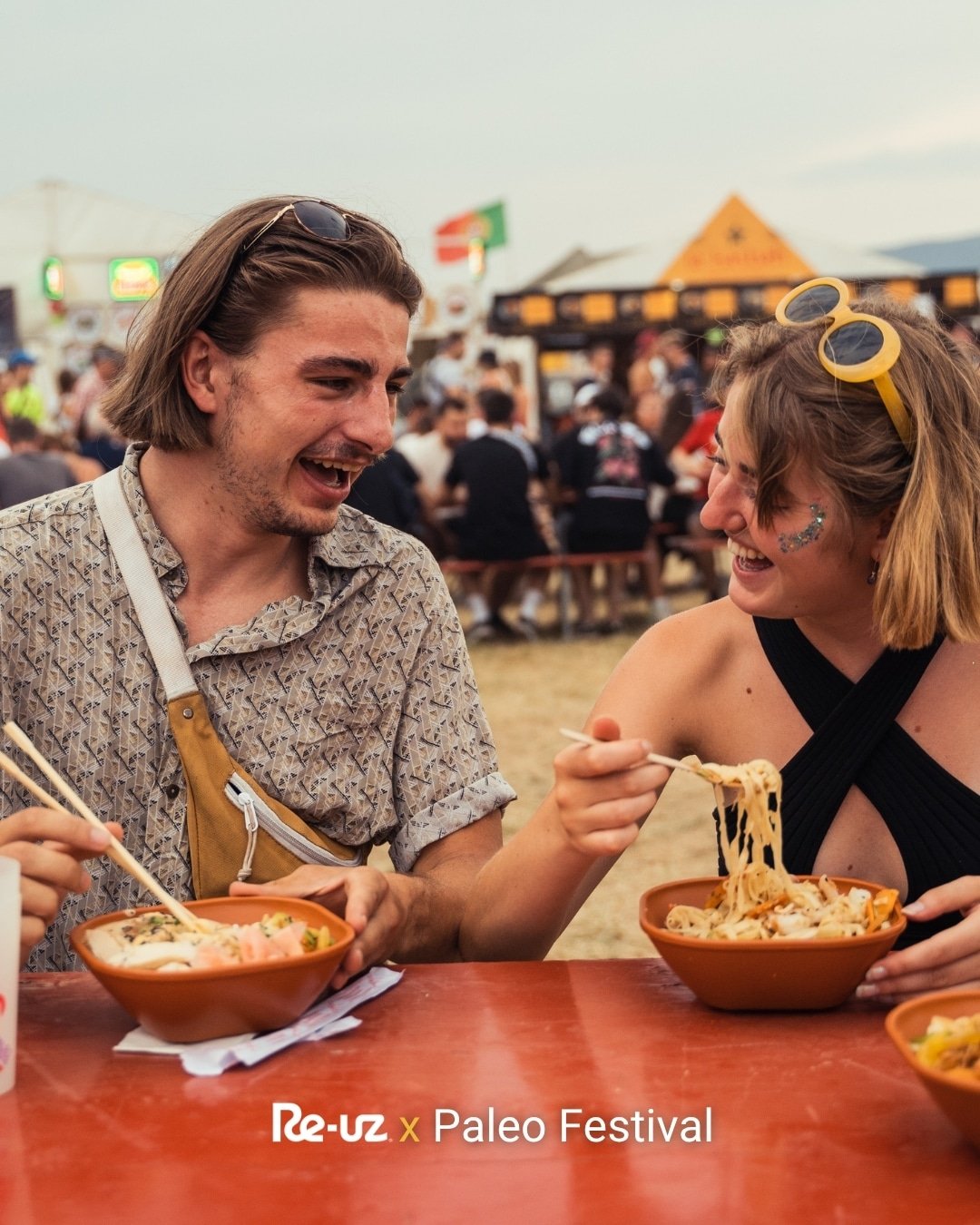
Paléo Festival Nyon’s gastronomic universe is a delectable global odyssey across 136 meticulously curated food stalls and 47 vibrant bars, where Switzerland’s alpine precision converges with international flavors in an eco-conscious symphony that sustains 250,000 festivalgoers through six days of revelry, all served in returnable tableware since 2022 to drastically reduce single-use plastics and align with the festival’s ambitious carbon-reduction roadmap aiming for 25% emissions cuts by 2030. Drawing deeply from Vaud’s rich terroir—renowned for its cheeses, wines, and seasonal produce from Lake Geneva farms—the offerings emphasize local sourcing with “fresh and local” labels on 20 stalls, blending hearty Swiss staples like gooey fondue pots and sizzling raclette melts with innovative fusions that echo the lineup’s diversity, such as Asian-inspired stir-fries during world music sets or Mediterranean tagines for electro evenings, creating communal feasting zones under solar-powered canopies where attendees share plates amid the scents of wild thyme from nearby Jura hills. Bars, operated by local charities to funnel profits into community causes, extend hours until dawn with a focus on responsible consumption—featuring Vaud’s crisp Chasselas whites, robust craft ales from regional microbreweries, and creative cocktails that incorporate alpine herbs—all while free water fountains and hydration campaigns promote well-being in Switzerland’s temperate summer climate, turning every sip into a mindful act of sustainability and solidarity.
This culinary village, integrated seamlessly into themed festival quarters, encourages circular practices like partnering with Too Good To Go apps to redistribute unsold goods and prevent food waste, fostering a culture of mindful indulgence that ties into Paléo’s broader environmental policy of 100% green energy usage since 2006 and waste recycling rates of 63% in 2019. From picnic spreads in quiet meadows overlooking the river Asse to late-night snacks fueling dance marathons, the food and drink experience at Paléo not only nourishes the body but enriches the soul, reflecting Switzerland’s federal ethos of quality, locality, and communal sharing in a festival setting that feels like a grand alpine banquet under the stars.
- Swiss Alpine and Regional Specialties: Iconic raclette stations melting Vaud cheeses over potatoes with pickles and onions (~$10-12 USD), evoking traditional herding feasts from the Jura mountains; fondue communal pots with crusty bread and alpine herbs (~$9 USD), sourced from local dairies in the “Frontière” agroecological network; grilled merguez sausages in fresh baguettes with mustard (~$7 USD) from nearby butchers, paired with seasonal salads featuring Lake Geneva fish or wild greens (~$8 USD) to highlight Vaud’s viticultural and pastoral bounty in eco-labeled stalls.
- Global Fusion and Diverse Culinary Options: A worldly array of Thai curries with fragrant spices (~$10 USD) or Mexican tacos customized with Swiss twists like local cheese toppings (~$8 USD), inspired by the festival’s international lineup; vegan grain bowls packed with regional grains, nuts, and vegetables (~$8 USD) for plant-based diets, alongside gluten-free options like chickpea socca pancakes (~$6 USD); Caribbean plantain fries dusted with alpine salt (~$5 USD) or Moroccan couscous with tagine stews (~$9 USD), all prepared with an emphasis on seasonal, organic ingredients to reduce the festival’s environmental footprint through short-supply chains and waste-minimizing practices.
- Drinks, Refreshments, and Responsible Indulgence: Extensive selection of Vaud rosés and Chasselas whites from lakeside vineyards (~$7-9 USD per glass), served in reusable cups with refill incentives to promote circularity; craft blonde ales and IPAs from Swiss microbreweries (~$6 USD), alongside non-alcoholic elderflower sodas, herbal tisanes brewed from Jura botanicals, or fresh citron pressé (~$3 USD) for hydration in summer heat; creative cocktails like gin fizzes infused with alpine botanicals (~$9-11 USD) at charity-run bars extending until 4 AM; VIP champagne lounges with premium Swiss sparkling (~$12 USD), complemented by free water fountains and awareness campaigns on moderate consumption, tying into Paléo’s health prevention hubs and overall commitment to social responsibility.
Getting There
Getting to the Paléo Festival Nyon is a seamless alpine adventure, leveraging Switzerland’s world-renowned public transport efficiency to shuttle 250,000 festivalgoers to the Asse site with an eco-focused strategy that has boosted public transit usage from 27% in 2005 to 45% in 2019, aligning with the festival’s ambitious 25% emissions reduction goal by 2030 through partnerships with CFF (Swiss Federal Railways), NStCM (Nyon-St-Cergue-Morez Railway), and TCS (Touring Club Switzerland). The venue’s strategic location north of Nyon, just 20 km from Geneva along Lake Geneva’s northern shore, facilitates effortless arrivals via high-speed trains, special night buses, and ephemeral stations that link over 20 dedicated lines, turning commutes into scenic preludes amid Vaud’s vineyards, medieval castles, and Jura foothills, with real-time updates via the Paléo app to navigate peak crowds or weather variances. Soft mobility is championed through lit pedestrian paths and secure bike parks from Nyon and Prangins, encouraging eco-friendly journeys that reduce car dependency and preserve the site’s biological corridors.
For international travelers, Geneva’s global airport serves as a primary gateway, with swift rail connections that embody Switzerland’s punctual ethos, while regional buses and carpool incentives via the app minimize environmental impact. On-site, PRM shuttles and accessible paths ensure inclusive navigation through the 80-hectare terrain, making every arrival a step into Paléo’s warm, volunteer-welcoming embrace.
- Airports and International Access: Geneva Cointrin International Airport (GVA, 20 km away) offers direct buses or trains to Nyon station (~$10 USD, 30 minutes), with seamless transfers to festival shuttles; Zurich Airport (ZRH, 250 km) connects via high-speed TGV trains (3 hours, ~$80 USD) through scenic alpine routes; Basel-Mulhouse (BSL, 200 km) provides Eurostar-like links from France, with options for cross-border buses emphasizing Paléo’s proximity to European hubs like Lausanne (30 km) or Fribourg (60 km).
- Public Transport Options: Free CFF trains and buses from Nyon station (every 10 minutes, 5-minute ride to Asse), including special night trains extending to Brig, Porrentruy, and the entire Léman arc until late; PostBus services for local Nyon region routes (~$3 USD per trip); TCS-organized buses from major French-speaking Swiss towns like Geneva and Lausanne; dedicated ephemeral stations linking 20+ lines for efficient dispersal; NStCM “petit train rouge” integrations for charming regional access; the app provides live schedules, with incentives like free drinks vouchers for public transit users to boost the 45% usage rate.
- Parking, Driving, and Accessibility: Limited eco-parking lots (~$11 USD per day, pre-bookable via paleo.ch) with carpool matching through the app to minimize emissions; A1 autoroute from Basel or Lausanne for drivers, but discouraged in favor of public options; secure bike parks and fully lit pedestrian paths from Nyon/Prangins (2-3 km) promoting soft mobility; PRM-dedicated shuttles, ramps, and electric vehicles for wheelchair access across the site’s natural terrains, with companions and quiet zones ensuring inclusivity; traffic management includes real-time app alerts and reduced vehicle zones to protect the river Asse’s biodiversity corridors.
Accommodation Options
Paléo Festival Nyon’s accommodation spectrum embraces Switzerland’s alpine hospitality ethos, ranging from the immersive 8,500-spot on-site campsite that fosters the “Paléo family” communal spirit with shared stories around eco-campfires to luxurious lakeside hotels in Nyon or nearby Geneva, where rates can surge 30-50% during the July peak—early bookings via paleo.ch or Booking.com are essential for festival bundles that include shuttle passes or volunteer perks. The Asse site’s pastoral tents, nestled amid Vaud’s verdant fields and river corridors, offer budget-friendly outdoor escapes with modern amenities like hot showers, security patrols, and sustainability features such as composting toilets, allowing attendees to extend their stay from July 20 for pre-festival orientations or linger post-event amid the Jura’s serene vistas. Urban alternatives in Nyon’s medieval old town or Geneva’s cosmopolitan quarters provide refined respites, blending convenience with cultural excursions to Lake Geneva cruises, vineyard tastings in the Lavaux UNESCO region, or hikes in the nearby alpine foothills, turning the festival into a gateway for broader Swiss explorations.
No-frills hostels cater to backpackers with shared vibes, while mid-range inns offer cozy chalets evocative of Vaud’s herding traditions, and luxury châteaus deliver opulent retreats with spa indulgences overlooking the lake, all tied to Paléo’s inclusive philosophy through accessibility-focused options and eco-lodges that align with the festival’s green certifications. This diverse array ensures every visitor finds a haven that complements the event’s blend of rustic charm and modern innovation.
- On-Site Camping and Budget Options: The expansive Asse campsite accommodates 8,500 spots with tiered pricing ($33-$44 USD for 6 days), including secure facilities, hot showers, electricity hookups for glamping tents (~$100 USD add-on), and eco-perks like composting stations and quiet zones for families; budget hostels in Nyon like Auberge de Jeunesse ($40-60 USD per night) offer shuttle-integrated stays with communal kitchens; nearby Airbnb tents or basic campsites in Prangins (~$50 USD) provide nature immersion amid Lake Geneva’s shores, with volunteer discounts for early arrivals from July 20.
- Mid-Range Hotels and Apartments: Charming inns like Hôtel Real Nyon ($110-165 USD per night) with lakeside views and breakfast packages tied to festival shuttles; Airbnb apartments in Nyon’s colorful old town alleys (~$90-140 USD) featuring self-catering options and proximity to medieval castles; mid-range options in Geneva like Ibis Styles ($100-150 USD) for urban convenience with TGV access, often including late check-outs for Night Pass recovery; regional chalets in the Jura foothills (~$120 USD) blending alpine rustic with modern amenities like Wi-Fi for app-based festival planning.
- Luxury and Themed Regional Stays: Opulent retreats such as Château de Nyon ($220-330 USD per night) with heritage suites overlooking Lake Geneva and concierge services for VIP ticket upgrades; eco-lodges in the Lavaux vineyards (~$180-280 USD) emphasizing sustainability with organic breakfasts and bike rentals for soft mobility to the site; Geneva’s Shangri-La or similar high-end hotels ($300-440 USD) offering spa packages and helicopter transfers for international attendees; themed stays in nearby Montreux châteaus (~$250 USD) tying into Vaud’s jazz festival legacy, with festival bundles including wine tastings and cultural tours to enhance the overall Swiss alpine experience.
Before you go, check these helpful travel products:


Maps
Contact
Video
FAQ's
When and where is the Paléo Festival Nyon 2026, and what unique features define its venue and setting?
Scheduled for July 21–26, 2026 (Tuesday to Sunday), at the Asse site (46.4061° N, 6.2208° E), an 80-hectare natural reserve north of Nyon in Vaud canton, Switzerland, overlooking Lake Geneva and nestled amid Jura mountains and vineyards; its uniqueness stems from the pastoral integration of river Asse's wooded biological corridors, serving as vital wildlife habitats across five communes and 20 landowners, transformed annually since 1990 into an ephemeral city with eight stages, 136 food stalls, and 47 bars; this alpine lakeside locale, rooted in Nyon's Roman Noviodunum history, enhances the festival's eco-ethos with sustainability features like solar-powered installations and agroecological ties to the "Frontière" network, offering panoramic views that amplify the 250,000 attendees' immersion in Switzerland's blend of natural beauty and cultural heritage—detailed maps on paleo.ch highlight shuttle routes, pedestrian paths, and biodiversity trails for seamless navigation.
What are the ticket prices, sales process, and options for accessibility or reduced rates at Paléo 2026?
Ticket prices range from $77-$440 USD: 6-day full passes at $220-275 USD (CHF 200-250) for unlimited access, single-day tickets at $77-99 USD (CHF 70-90), camping add-ons at $33-44 USD (CHF 30-40) with secure facilities, and VIP packages with exclusive lounges and priority perks at $330-440 USD (CHF 300-400); sales begin with early Christmas offers in December 2025 (details announced end of November 2025) via paleo.ch, transitioning to general online availability in spring 2026, with the Paléo mobile app handling digital QR entries and "No Cash" wristband pre-loads to prevent fraud through official resale checks; reduced rates apply for children under 12 (free entry with adults), disabled individuals (including free companion passes and dedicated L'Entracte care areas), students, and the unemployed via verified applications, ensuring broad accessibility in line with Paléo's inclusive philosophy and Swiss federal equity standards.
What genres, activities, and cultural traditions can attendees expect at Paléo 2026, and how does it promote diversity and community?
Genres span a diverse spectrum across 200+ concerts and shows, from folk revivals honoring the 1976 origins to rock (Iron Maiden legacy), electro, jazz (Miles Davis echoes), world fusions, and emerging talents via "tremplins" competitions that receive international submissions for intergenerational appeal; activities encompass circus acrobatics, street theater inspired by 19th-century Swiss fairs, kids' puppetry workshops in La Ruche zone, eco-villages with biodiversity seminars, and interactive art installations like light forests with drone visuals; cultural traditions include alpine horn interludes, yodel sing-alongs blending with global beats, and volunteer-led communal feasts at charity bars that donate profits to local associations, promoting Switzerland's multilingual (French/German/Italian/Romansh) and federal ethos; diversity is championed through LSF-translated concerts, free under-12 entry, and PRM platforms, while community building via the 5,400-strong "Paléo family" volunteer network inspires over 3,000 annual vocations, fostering a profound sense of Swiss-French convivialité and global unity in Vaud's alpine landscape.
How can I get to Paléo Festival Nyon 2026 safely, and what are the transport, parking, and accessibility measures in place?
Access via Geneva Cointrin Airport (GVA, 20 km) with buses or trains (~$10 USD, 30 minutes) or Zurich Airport (ZRH, 250 km) via TGV (3 hours, ~$80 USD), funneling into Nyon station for free CFF shuttles (every 10 minutes, 5-minute ride); public options include special night trains to Fribourg/Brig, PostBus for local routes (~$3 USD), TCS buses from Lausanne/Geneva, and NStCM "petit train rouge" integrations; soft mobility via lit pedestrian paths and secure bike parks from Nyon/Prangins (2-3 km walk); parking in limited eco-lots (~$11 USD per day, pre-bookable) with app-based carpool matching to reduce emissions; safety measures encompass 1,061 security volunteers logging 48,000 hours, medical teams of 105 professionals (16 doctors, 37 nurses), and prevention hubs for health/alcohol awareness; accessibility includes PRM shuttles, ramps, electric vehicles, and dedicated platforms with companions, ensuring inclusive navigation across the site's natural terrains and biological corridors amid alpine weather contingencies.
Can I volunteer, camp, or get involved at Paléo 2026, and how does the festival support social and environmental causes?
Camping at the 8,500-spot Asse site ($33-44 USD for 6 days) offers hot showers, security, composting facilities, and activities like yoga, with bookings via paleo.ch and eco-kits distributed for sustainability; volunteer for one of 5,400 roles in security, hospitality, eco-monitoring, or stage setup via benevoles@paleo.ch (registrations open end of April 2026, with forms for returnees in March and perks like drinks vouchers, meals, and free entry), providing a addictive human adventure that inspires over 3,000 annual vocations through training and community bonds; get involved via charity bar participations or eco-challenges rewarding green actions; Paléo supports causes through its non-profit, subsidy-free model funding regional socio-cultural projects, apprenticeship programs (12 positions yearly), and professional integrations with organizations like OSEO; environmentally, the 2022 eco-roadmap targets 25% emissions reduction by 2030 with measures like 100% green energy since 2006, 63% waste recycling, returnable tableware, local sourcing, soil restoration with experts like Sol-Conseil, and collaborations on cantonal supply chains, earning "Greener Festival" certification and embodying Switzerland's commitment to planetary stewardship.