San Lorenzo Fiestas 2027, Huesca, Spain
Opening Rocket and Chupinazo Traditions
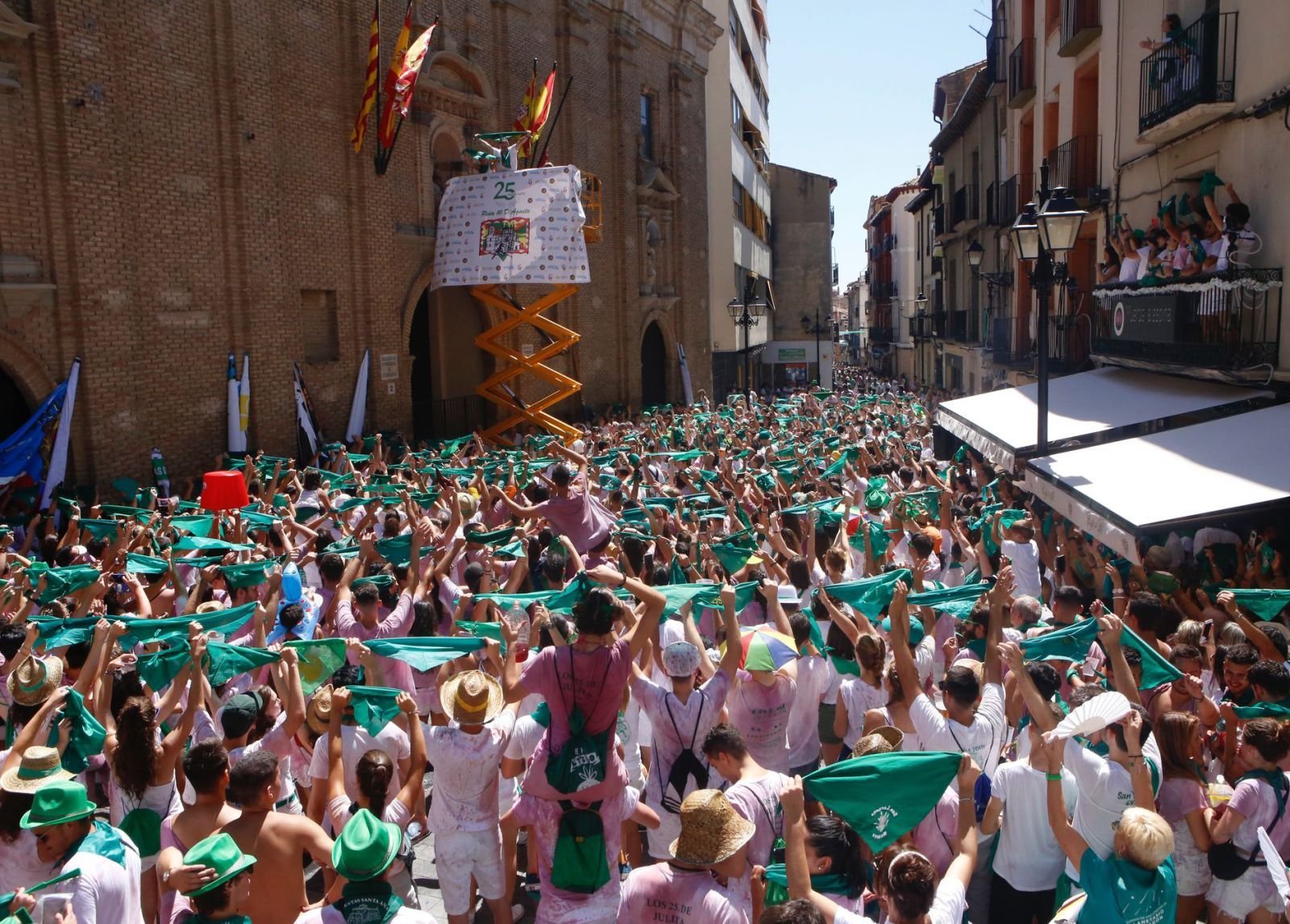
- The Chupinazo Signal: The official commencement of the festivities begins precisely at noon on the ninth of August when a loud rocket is fired from the municipal balcony.
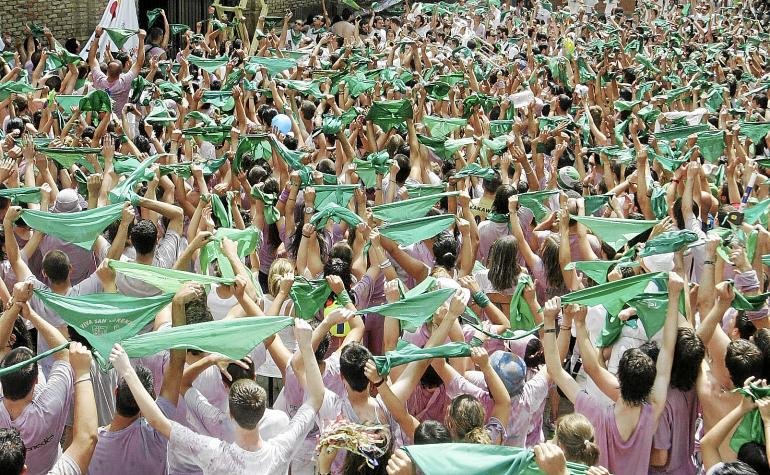
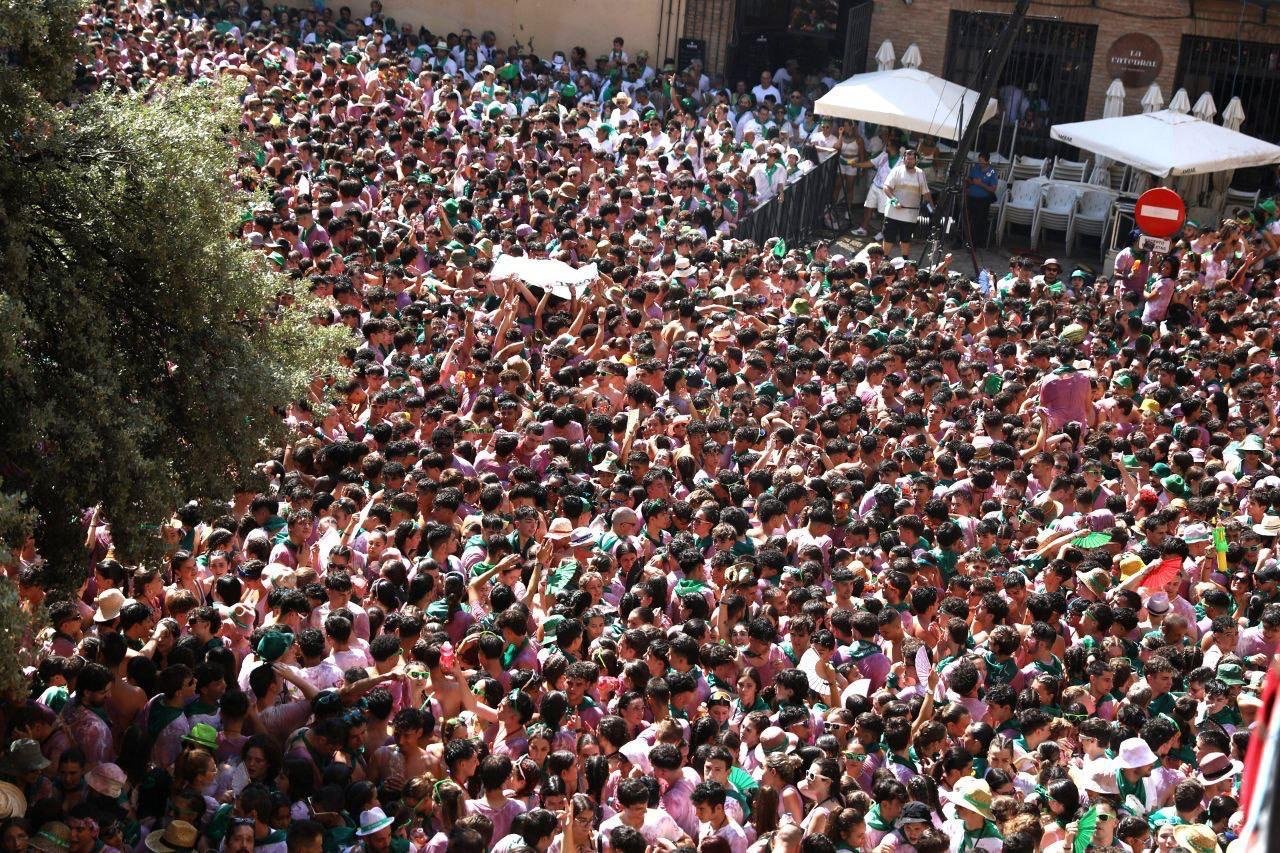
- Plaza de la Catedral Gathering: Thousands of enthusiastic locals pack the main square clad entirely in white and green clothing to witness the inaugural moment.
- The Neck Scarf Ritual: Participants lift their traditional green scarves high in the air before tying them around their necks as the rocket echoes overhead.
- Spontaneous Outbursts of Joy: Champagne bottles pop simultaneously across the packed square, sending sparkling foam cascading over the ecstatic crowd.
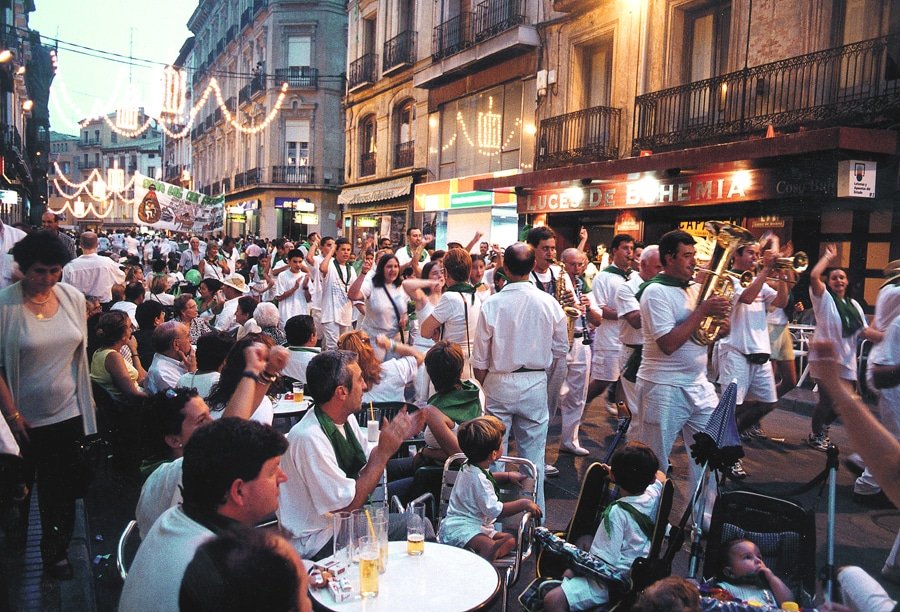
- The Charanga Brass Bands: Improvised brass ensembles instantly strike up lively regional tunes, igniting continuous dancing that spills into every nearby alleyway.
- Municipal Greetings: Local dignitaries and guest figures wave from the city hall balcony to welcome the joyous masses into the week-long celebration.
- The First Surge: A wave of collective energy propels thousands of revelers forward as they initiate the very first parade through the historic center.
- Ring of Tradition: Veteran participants guide newcomers through the historic protocols, ensuring the opening moment maintains its authentic emotional impact.
The explosive launch of the opening rocket serves as the ultimate psychological and emotional shift for the entire city of Huesca, instantly casting aside daily routines, professional obligations, and normal life in favor of total, uninhibited collective festivity. The thunderous roar of the crowd blends seamlessly with the echoing boom of the rocket overhead, creating an overwhelming sensory experience that firmly anchors the opening ceremony deep within local historical lore. This high-octane ritual represents profound unity and shared anticipation, effectively bridging all social divides as thousands of strangers share the exact same physical space dressed identically in matching white and green attire.
This shared explosion of collective energy establishes an energetic baseline that successfully sustains the entire city through seven sleepless days and nights of uninterrupted cultural celebration, ensuring that no single participant remains untouched by the communal magic. Veteran festival-goers and wide-eyed newcomers alike embrace the chaotic beauty of the opening moment, passing down unwritten rules of engagement and celebration to ensure the spirit of San Lorenzo remains untainted by modern cynicism. The sights, sounds, and sheer atmospheric pressure of the Plaza de la Catedral at noon on August ninth create an unforgettable milestone that defines the Aragonese summer calendar.
Event Schedule
- Event Date: 09 Aug 2027 – 15 Aug 2027
- Event Duration: Seven days of continuous celebrations and cultural festivities
Visiting this event? Don’t miss out on these amazing activities and local experiences while you’re here.
Closing Ceremony and Farewell Rituals
The final night of the festival brings a heavy, bittersweet emotional shift as the historic city prepares to bid a reluctant farewell to Saint Lawrence for another full calendar year. Thousands of exhausted yet fulfilled citizens gather once again in the packed main plaza, holding unlit wax candles and singing traditional, melancholic farewell songs that acknowledge the bittersweet conclusion of an extraordinary week. The collective singing echoes off the ancient cathedral walls, creating a powerful, unifying acoustic moment that captures the exact emotional peak of communal reflection and shared human experience.
Enjoy Your Event Stress-Free with Euro Travelo
Planning a trip to attend a festival, concert, or business event in Europe can be overwhelming—tickets, travel, accommodation, and local logistics all take time and effort. Euro Travelo makes it simple by providing everything you need through one trusted company. You save time, avoid stress, and enjoy a seamless experience from start to finish.
The ceremonial lowering of the festival banners and municipal flags marks the official, irreversible conclusion of the week, immediately accompanied by a breathtaking, multi-colored fireworks display that illuminates the starry night sky over Huesca. As the exhausted crowds slowly disperse into the quiet morning hours and the thousands of withered basil arrangements are respectfully laid to rest, the city immediately begins looking forward to the next cycle of San Lorenzo celebrations, ensuring that the spirit of the festival never truly dies.
Getting to the Venue
- City and Country: Huesca, Spain
- Venue Name: Plaza de la Catedral and various citywide locations
- Google Maps Address: Plaza de la Catedral, 1, 22002 Huesca, Spain
Worried about accommodation? Hotels near this event sell out quickly, and prices tend to rise fast. Check out these accommodation options:
Religious Ceremonies and Saint Lawrence Procession
The religious core of the festival honors Saint Lawrence, a devoted Roman deacon and martyr from the third century whose profound historical connection to Huesca forms the undisputed spiritual foundation of the entire festive calendar. Solemn religious masses take place daily inside the majestic, cavernous interior of the Gothic cathedral, drawing high-ranking ecclesiastical leaders, municipal authorities, and deeply devoted citizens together in quiet, reflective reverence. These sacred gatherings provide a necessary anchor of historical continuity, reminding contemporary participants of the profound sacrifice and unwavering faith that originally inspired the city to dedicate its heart and soul to its beloved patron saint.
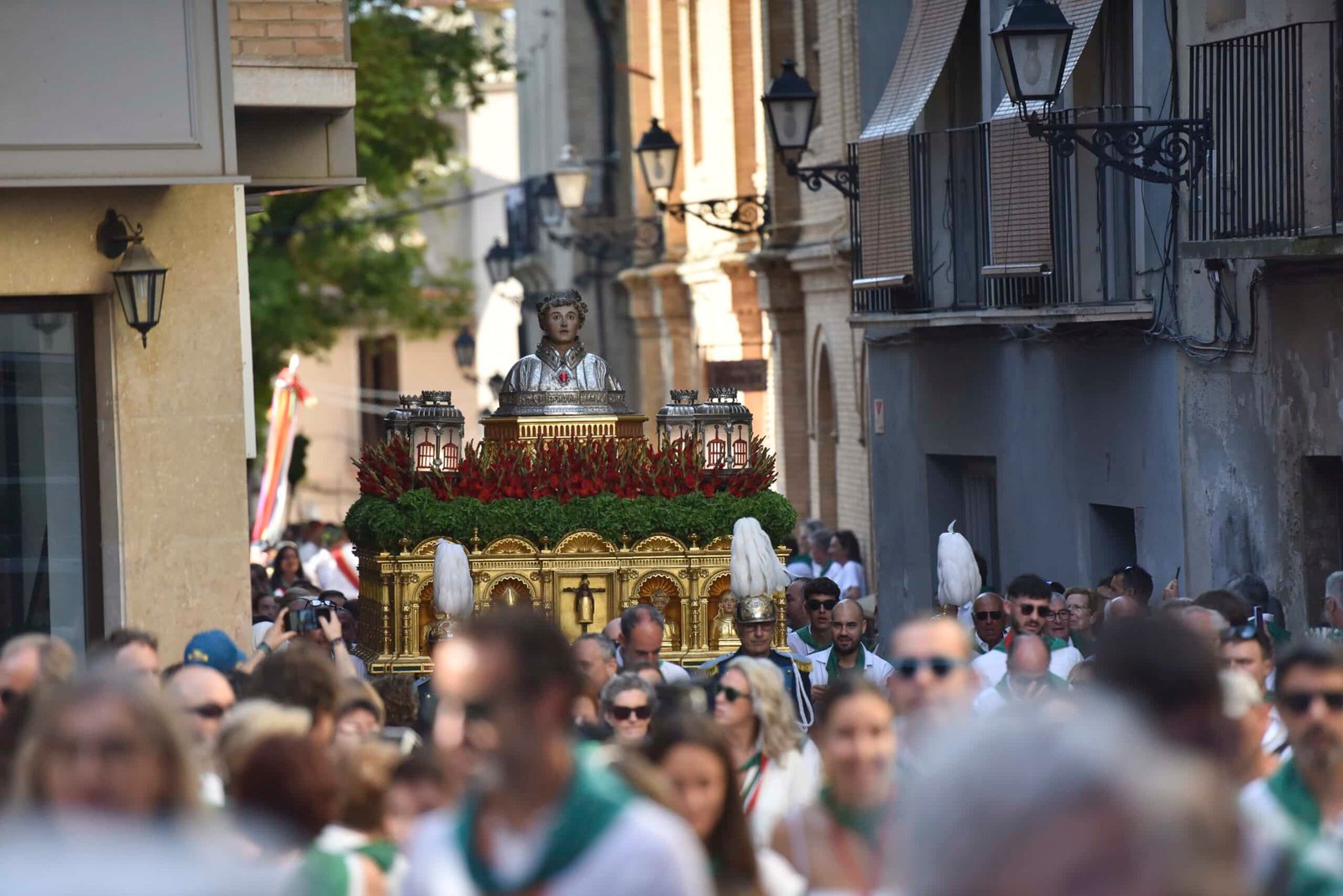
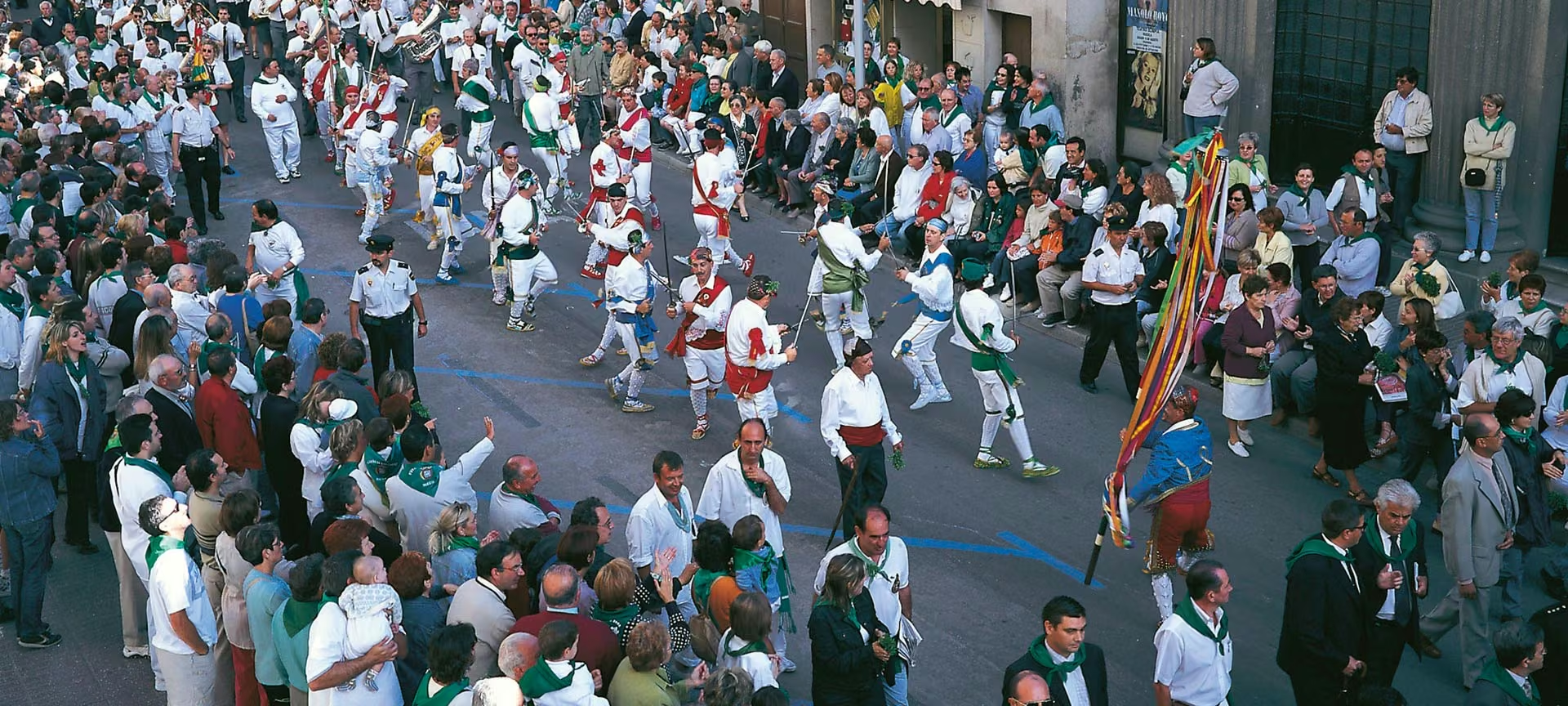
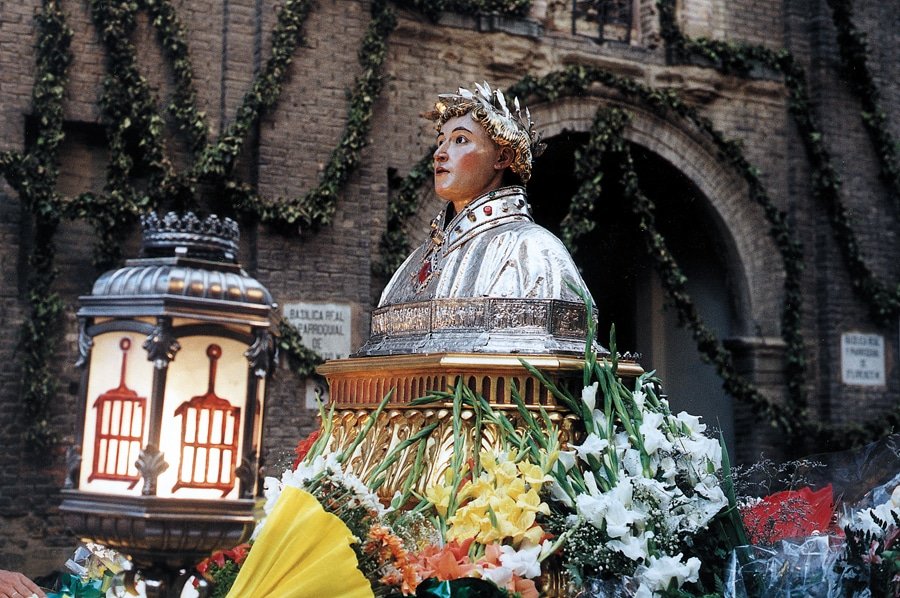
The grand public procession on the tenth of August remains the absolute most solemn and visually breathtaking highlight of the entire week, featuring the careful passage of the sacred, ornate silver bust of Saint Lawrence through incense-filled streets. Accompanied by traditional dancers performing ancient, highly stylized steps with ceremonial wooden sticks and swords, the slow-moving procession winds its way past centuries-old architectural landmarks while thousands of respectful onlookers watch in hushed, reverent silence. This powerful display of religious heritage connects modern urban life directly to medieval piety, reinforcing the spiritual identity of Huesca while offering a stunning visual spectacle for international pilgrims and cultural travelers alike.
Event Information
- Email: info@huesca.es
- Phone Number: +34 974 29 21 00
- Website: www.huesca.es
History and Cultural Significance
The San Lorenzo Fiestas stand as one of the most vibrant, historically rich, and deeply cherished cultural celebrations in northern Spain, drawing countless visitors, pilgrims, and culture enthusiasts to the historic province of Aragon every single August. Rooted in centuries-old religious devotion to Saint Lawrence, the city’s revered patron saint, the festival has steadily evolved from a solemn medieval ecclesiastical commemoration into a massive, week-long expression of local identity, exuberant community spirit, and unbridled human joy. Generations of local residents have carefully safeguarded the foundational customs, transforming the historical center into a living tapestry of Aragonese heritage where every stone street and plaza tells a story of collective resilience and shared historical memory.
Throughout the long centuries of its existence, these traditions have been meticulously preserved, documented, and passed down from grandparents to grandchildren, ensuring that the festival remains a living museum of authentic regional folklore. Officially declared a Festival of National Tourist Interest, the grand celebration completely transforms the physical and social landscape of Huesca, enveloping every participant in an immersive visual and sensory experience defined by strict adherence to traditional attire, communal rituals, and elaborate historical pageantry. The deep emotional resonance of the week binds the community together, creating an unbreakable social glue that transcends modern anxieties and re-establishes timeless human bonds through shared music, dance, gastronomy, and collective celebration.
The Role of the Peñas Recreativas
- Community Backbone: The local cultural associations known as peñas act as the primary engines driving the daily social schedule and neighborhood activities.
- Distinctive Uniforms: Each peña wears its own brightly colored shirt, creating a vibrant patchwork of hues across every public square and street corner.
- Mobile Headquarters: Mobile peña headquarters roll through the streets playing booming music and distributing refreshments to tired dancers.
- Neighborhood Integration: These social groups ensure that every corner of Huesca receives equal access to entertainment, games, and culinary events.
- Charanga Leadership: Professional brass bands are hired by individual peñas to lead large group marches from one venue to the next.
- Children Integration: Specialized junior divisions within each peña teach younger generations how to organize and participate in traditional festivities.
- Culinary Collaboration: Peñas organize massive outdoor paella cookouts and communal meals designed to feed hundreds of hungry visitors at once.
- Late Night Hosting: Open-air club spaces managed by these groups keep the nightlife thriving long after official municipal concerts conclude.
- Charitable Undertakings: Many associations run solidarity campaigns and inclusive events ensuring marginalized community members can fully enjoy the holiday.
- Closing Participation: The peñas lead the final emotional march during the closing ceremony, carrying banners that mark the end of the calendar year.
The deep social fabric and operational success of the Huesca festival rely heavily on these dedicated cultural groups, whose year-round planning and grassroots enthusiasm ensure the massive event runs with clockwork precision. Their tireless volunteer efforts bridge the gap between official municipal programming and authentic, spontaneous community participation, giving every single visitor a genuine, unfiltered taste of local Aragonese camaraderie. These associations function as miniature societies within the greater festival framework, fostering an environment where collective responsibility and shared joy trump individual isolation.
By aggressively fostering an atmosphere of radical hospitality, the peñas welcome total strangers into their tight-knit circles within a matter of seconds, ensuring that no visitor ever feels like an outsider in the bustling crowd. This institutionalized friendliness and open-door philosophy are defining hallmarks of the Huesca experience, successfully turning temporary tourists into lifelong ambassadors of the San Lorenzo tradition. The colorful banners, non-stop brass music, and communal kitchens run by these groups represent the beating heart of local civic life, keeping ancient traditions dynamic and relevant in the modern era.
Traditional Music, Jotas, and Folk Dances
Aragonese folk music takes center stage throughout every single hour of the week, with the driving, passionate rhythm of the traditional jota echoing constantly against ancient stone facades and narrow medieval alleyways. Expert dancers clad in meticulously crafted, highly elaborate regional costumes spin gracefully in public squares, executing extraordinarily complex footwork that demonstrates immense physical stamina, artistic dedication, and profound respect for ancestral choreography. These public performances are not merely theatrical displays, but living dialogues between past and present, where dancers communicate stories of love, hardship, agricultural labor, and regional pride through expressive body language and sharp, rhythmic heel strikes.
Competitions and public showcases highlight the absolute finest accordion players, acoustic guitarists, traditional plucked string instrument masters, and powerful vocalists specializing in the distinct, challenging folkloric styles of the region. These intimate and grand musical gatherings offer a direct, unobstructed window into the historical soul of Huesca, successfully preserving ancient melodies, poetic structures, and vocal techniques that have survived centuries of political, linguistic, and social transformation. Spectators are frequently invited to join the outer circles of the dance, breaking down the barrier between professional performers and the general public in a celebration of shared cultural ownership.
Ticket Prices
- How Tickets Are Sold: Tickets are sold online through the official municipal website and at designated physical box offices around the city.
- Admission Type: Free Admission for the vast majority of street events, concerts in public plazas, and traditional processions.
- Ticket Pricing: Minimum price is Free Admission for public events, while ticketed indoor concerts and specialized arena events range from $11.00 to $55.00 depending on the specific performance.
- Special Seating Options: Reserved seating sections are available near the main stages and official viewing areas for elderly attendees and individuals with reduced mobility.
- VIP Options: Premium VIP packages can be purchased for select bullfighting events and major night concerts, offering front-row access and exclusive lounge amenities.
Gastronomy and the Aroma of Basil
- The Scent of Fresh Basil: Bunches of freshly cut basil are carried by nearly every attendee, filling the summer air with an unmistakable herbal fragrance.
- Traditional Pastries: Local bakeries produce specialized sweets and pastries shaped to honor historical motifs associated with the patron saint.
- Outdoor Tapas Trails: Central bars and pop-up food stalls serve endless plates of garlic prawns, cured ham, and local cheese varieties.
- Aragonese Wine Culture: Robust red wines from neighboring vineyards flow freely during every communal meal and family gathering.
- The Chilindrón Stew: Traditional lamb stew seasoned with peppers and tomatoes is prepared in massive pots across neighborhood courtyards.
- Basil Presentation Rituals: Citizens present ornate arrangements of fresh basil to the image of Saint Lawrence as an agricultural offering.
- Street Food Diversity: Modern food trucks blend seamlessly with traditional vendors, offering quick bites for festival-goers on the move.
- Communal Toasting: Neighborhood toast traditions encourage complete strangers to share local liqueurs and celebrate mutual friendship.
Bullfighting Events and Arena Traditions
- Historic Bullring Venue: The local bullfighting arena hosts high-profile afternoon corridas featuring leading matadors from across the Iberian Peninsula.
- The Vaquillas Tradition: Early morning bull runs involving young bulls draw brave crowds into the arena for lighthearted tests of agility.
- Traditional Brass Accompaniment: A live traditional band plays upbeat Paso Doble melodies directly from the amphitheater stands during every event.
- Packed Spectator Tiers: Thousands of roaring fans fill the shady and sunny sections of the arena, creating an electrifying partisan atmosphere.
- Cultural Pageantry: Elaborate historical uniforms worn by arena officials pay homage to classic nineteenth-century tauromachy traditions.
- Safety Protocols: Specialized medical teams and barrier systems maintain high safety standards for both participants and animal performers.
Concerts and Nightlife in the Recinto Ferial
- Main Stage Headliners: Major national and international pop and rock acts perform nightly concerts at the expansive Recinto Ferial grounds.
- Electronic Music Zones: Dedicated DJ booths and dance tents keep techno and alternative music fans moving until dawn breaks.
- Diverse Musical Genres: Programming ranges from indie rock and hip-hop to traditional folk fusion, catering to all generational tastes.
- Open-Air Amphitheaters: Multiple secondary stages scattered across municipal parks host intimate acoustic performances and singer-songwriters.
- Lighting and Visuals: State-of-the-art laser and sound systems transform the fairgrounds into a mesmerizing nocturnal wonderland.
- Security Infrastructure: Comprehensive police and medical support checkpoints line the perimeter to ensure a safe environment for all partygoers.
- Food Vendor Alleys: Food courts surrounding the concert zones offer midnight snacks ranging from burgers to traditional churros.
- Artisanal Market Stalls: Craft vendors sell handmade jewelry, leather goods, and festival souvenirs along the pathways leading into the concert area.
- Public Transportation Hubs: Special shuttle bus lines operate continuously throughout the night, connecting the city center directly to the fairgrounds.
- Dawn Celebrations: Die-hard music fans often stay until the sun rises, participating in spontaneous street parties heading back toward the center.
Tickets Sell Out
in Minutes
Maps
Contact
Video
FAQ's
What should I wear when attending the festival?
Attendees traditionally dress entirely in pristine white clothing complemented by a bright green scarf tied firmly around the neck to match the collective aesthetic. It is also wise to wear extremely durable, comfortable footwear because you will be standing, walking, and dancing on hard cobblestone streets for hours on end. Furthermore, bringing a lightweight waterproof jacket or a spare change of clothes is highly recommended since liquid celebrations involving wine and water are extremely common during peak daytime events.
How can I travel to Huesca during the festive week?
Direct regional trains and high-frequency long-distance buses connect Huesca efficiently and comfortably with major urban hubs like Zaragoza, Barcelona, and Madrid throughout August. If you choose to drive your own vehicle, you must anticipate heavy traffic restrictions within the historic center and utilize the designated peripheral parking lots established by the municipality. Additionally, local authorities frequently coordinate specialized late-night shuttle services that run continuously between the downtown core and outlying residential districts to assist travelers safely.
Are children welcome to join the daily events?
Numerous family-friendly parades, giant puppet shows, theatrical workshops, and daytime games are specifically scheduled across public parks for younger visitors throughout the week. Parents will find that the early morning hours and late afternoon activities offer a much calmer, highly secure environment for infants and toddlers before the massive nighttime crowds arrive. Local organizers take great pride in maintaining a safe, inclusive, and welcoming atmosphere where families can pass down cultural traditions to the next generation without worry.
Where do people usually purchase fresh basil?
Street vendors, local agricultural cooperatives, and neighborhood florists set up dedicated, aromatic stalls across every major square and thoroughfare to sell freshly cut basil bouquets. These vibrant green bunches are essential accessories for the week, serving both as traditional offerings to the patron saint and as natural, fragrant perfumes carried by pedestrians. Purchasing a bunch early in the morning ensures you secure the freshest, most vibrant plant stock available before supplies run out across the city markets.
Is camping permitted near the festival grounds?
Temporary municipal campsites, fully equipped sanitary facilities, and designated campervan parking zones are established on the secure outskirts of the city specifically for visiting travelers and backpackers. These temporary camping hubs are managed by local authorities to ensure adequate security, waste management, and easy pedestrian access to public transportation networks heading downtown. Booking your space well in advance of the festival dates is strongly recommended because spots fill up extremely quickly as thousands of young travelers arrive from across Europe.
What language is predominantly spoken during the events?
Spanish is universally spoken, understood, and utilized in all official communications, public announcements, shop transactions, and daily conversations throughout the entire festive week. Visitors will also frequently hear local Aragonese dialects and colloquial expressions used by native residents, adding an authentic regional flavor to everyday interactions. While basic English is understood in major hotels and tourist information centers, learning a few polite Spanish phrases will greatly enrich your cultural interactions with the welcoming locals.