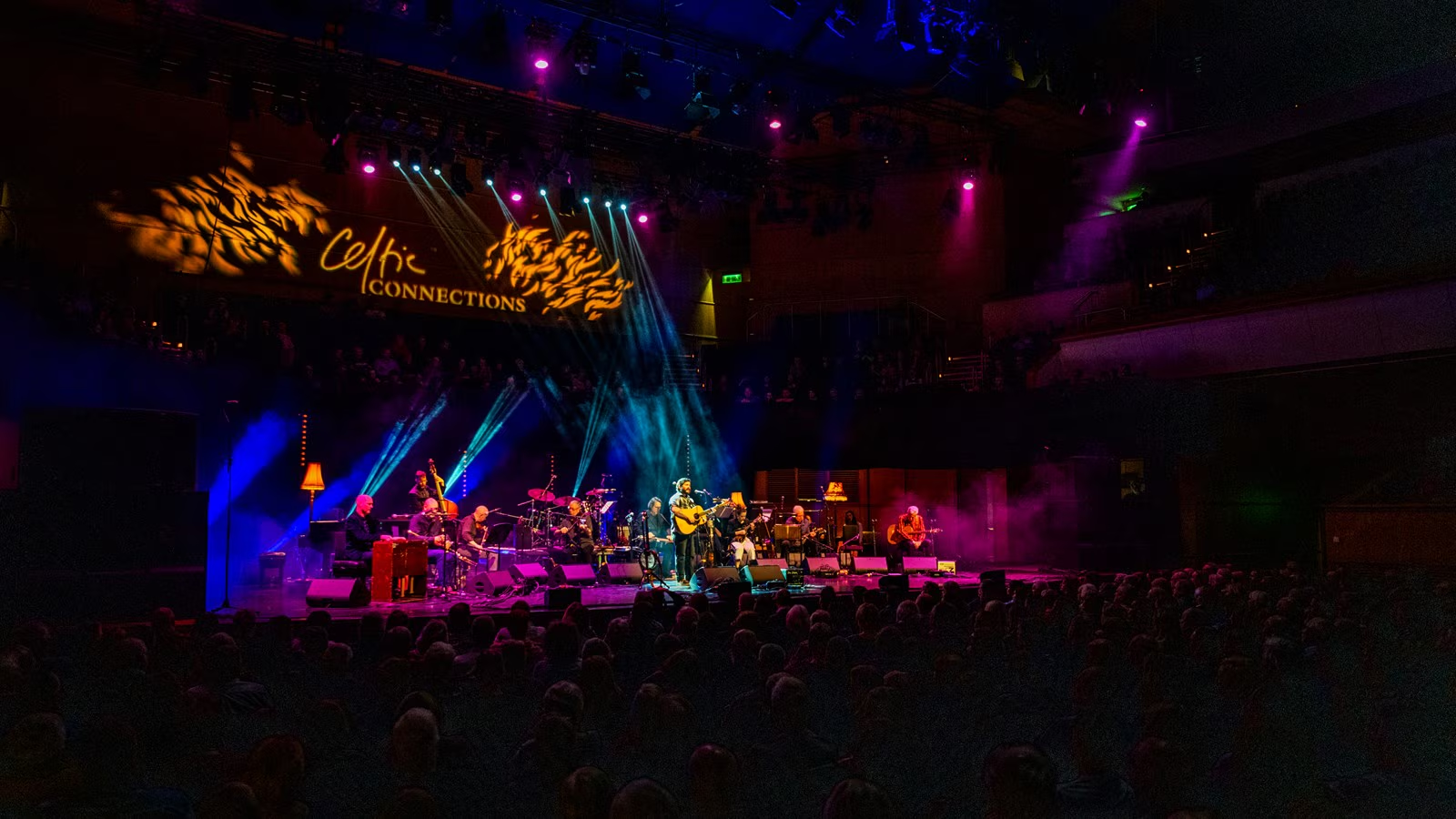
Celtic Connections 2027 – Glasgow, Scotland
Overview
Celtic Connections stands as Europe’s premier winter roots music festival and the largest annual celebration of Celtic music, folk, and world cultures in the United Kingdom. Founded in 1994 to brighten the quiet post-holiday winter months, this acclaimed festival transforms Scotland’s cultural capital into a vibrant global hub of musical exploration. Over eighteen consecutive days, the event welcomes thousands of international musicians, folk enthusiasts, and industry delegates to showcase the enduring legacy and modern evolution of traditional sounds.
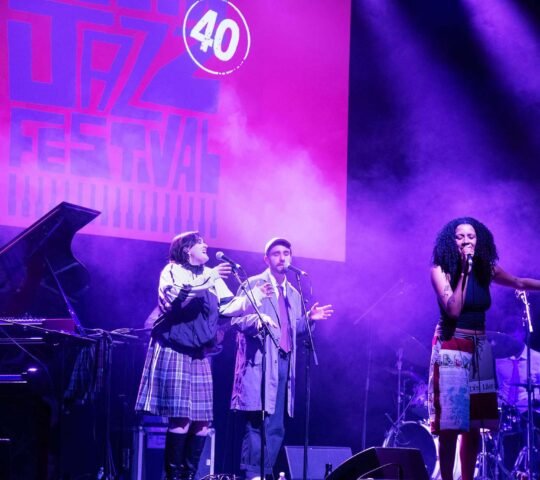
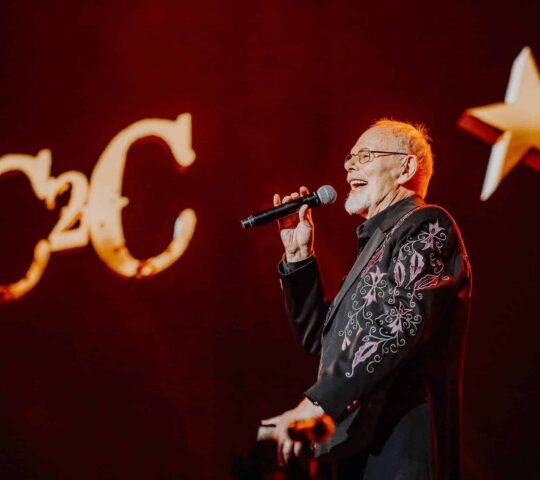
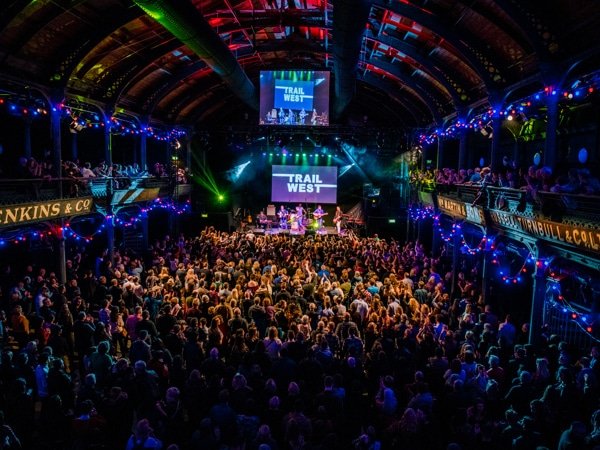
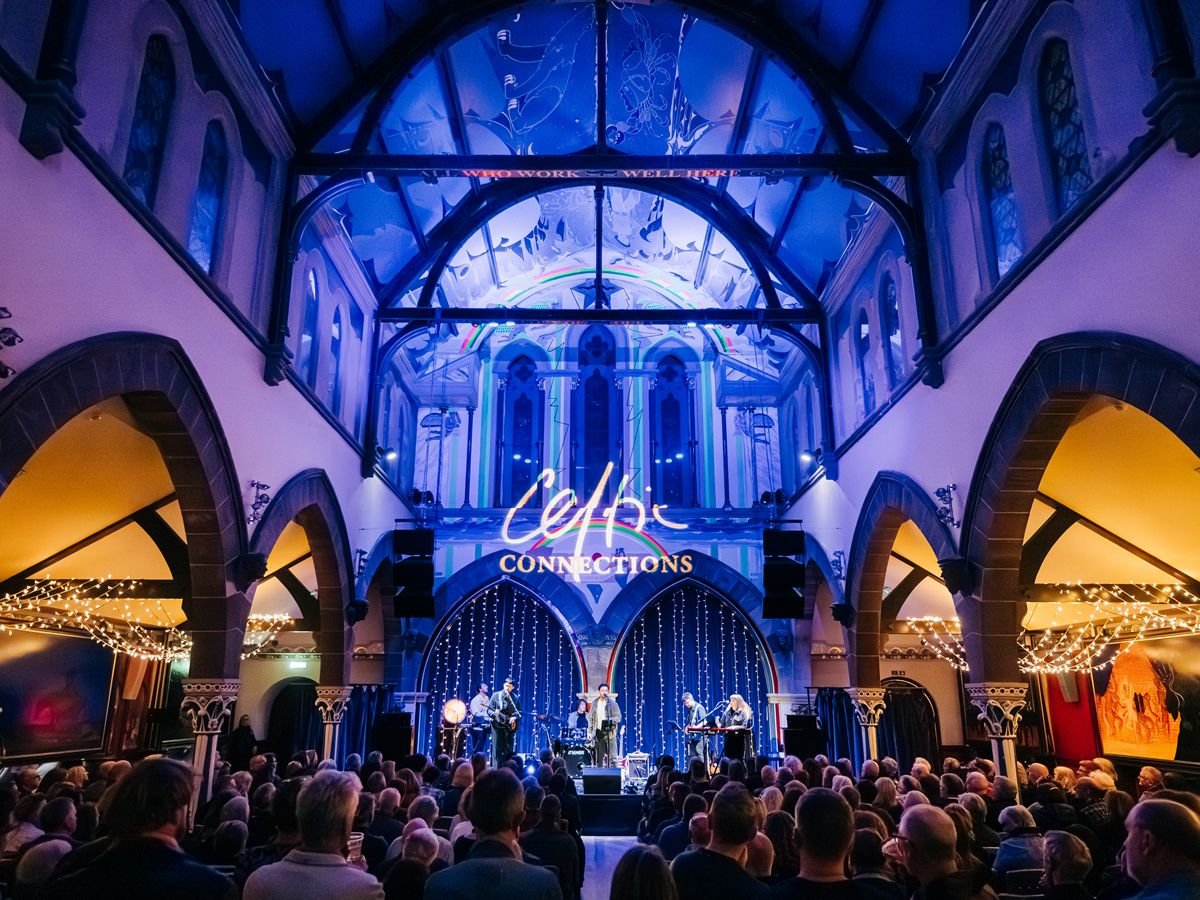
The extensive artistic programming expands far beyond conventional acoustic boundaries, seamlessly embracing genres such as Americana, indie folk, jazz, soul, and contemporary roots music. Audiences gather in prestigious concert halls, independent theaters, and local clubs across the city to witness one of-a-kind collaborations and unique trans-Atlantic musical partnerships. From spectacular symphonic opening showcases to lively late-night traditional sessions, the festival serves as a warm creative sanctuary against the dark winter chill.
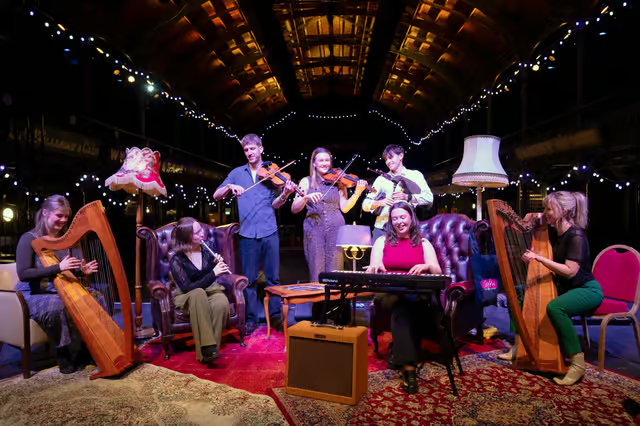
In addition to its major concert series, the gathering places a profound emphasis on community engagement, cultural heritage preservation, and the cultivation of emerging global talent. Visitors can participate in hands-on instrumental workshops, insightful public panel talks, and festive interactive ceilidh dances that honor Scottish roots while building cross-cultural bridges. Set against the backdrop of Glasgow’s legendary live music scene, the festival delivers an unparalleled experience that redefines the global landscape of folk music.
Enjoy Your Event Stress-Free with Euro Travelo
Planning a trip to attend a festival, concert, or business event in Europe can be overwhelming—tickets, travel, accommodation, and local logistics all take time and effort. Euro Travelo makes it simple by providing everything you need through one trusted company. You save time, avoid stress, and enjoy a seamless experience from start to finish.
Event Highlights
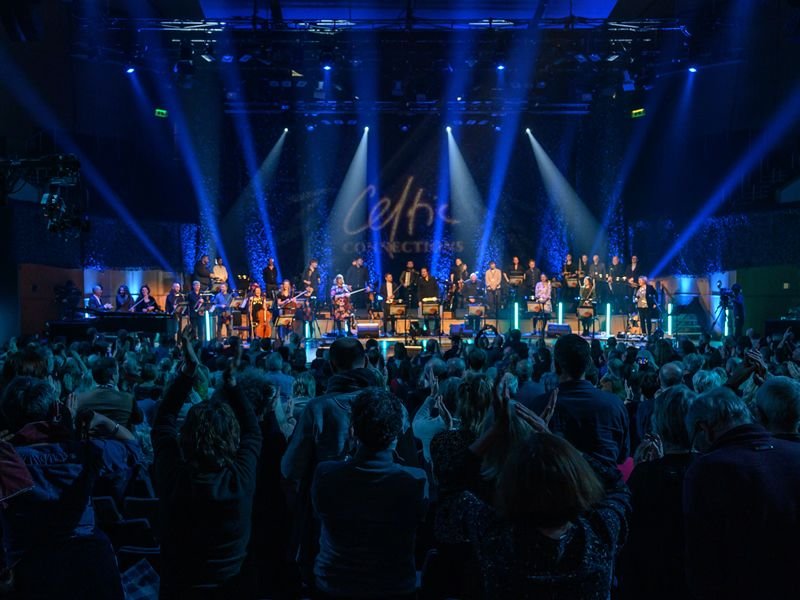
- Attend the prestigious Opening Gala concert at the Glasgow Royal Concert Hall featuring exclusive world premieres and cross-genre orchestral collaborations.
- Experience high-energy traditional social dances and public acoustic showcases during the curated weekend festival gatherings.
- Discover legendary late-night festival club sessions where international master musicians participate in spontaneous folk jams.
- Support emerging acoustic songwriters and traditional instrumental performers participating on the Danny Kyle Open Stage.
Why Attend
People should attend this world-renowned festival to experience the absolute finest collection of traditional, folk, and global roots music assembled anywhere in the world. The event offers a unique opportunity to witness legendary musical icons and rising international stars performing together in exclusive, boundary-pushing collaborative showcases. By providing a warm, festive community environment during the cold winter season, attendees benefit from an inspiring and deeply rejuvenating cultural holiday that honors musical heritage.
This event is ideal for dedicated folk music connoisseurs, international cultural travelers, aspiring instrumentalists, and anyone eager to experience Scotland’s legendary musical hospitality firsthand. Attending grants the exceptional benefit of exploring Glasgow’s diverse urban heritage while accessing hundreds of curated cultural events scattered across the entire city. It allows guests to discover new musical genres, expand their global artistic perspectives, and form lasting connections within a passionate international community.
Date & Duration
- Event Date: January 14, 2027, to January 31, 2027
- Event Duration: 18 days
Visiting this event? Don’t miss out on these amazing activities and local experiences while you’re here.
Ticket Information
- How Tickets Are Sold: Individual concert tickets, multi-venue festival passes, and special workshop registrations are available online through the centralized box office platform.
- Admission Type: Paid and Free Admission
- Ticket Pricing: Single concert tickets range from a minimum of $15.00 for intimate afternoon showcases up to a maximum of $75.00 for premium headline orchestral galas.
- Special Seating Options: Selected main auditorium venues offer fixed tiered stalls, elevated side balconies, and dedicated accessible seating sections reserved upon request.
- VIP Options: Premium festival packages grant access to exclusive opening night receptions, reserved prime center-row seating, and complimentary souvenir program booklets.
Venue / Location
- City and Country: Glasgow, Scotland
- Venue Name: Glasgow Royal Concert Hall and Multiple City Venues
- Google Maps Address: 2 Sauchiehall Street, Glasgow, G2 3NY, United Kingdom
Worried about accommodation? Hotels near this event sell out quickly, and prices tend to rise fast. Check out these accommodation options:
Contact Information
- Email: Box_Office_Enquiries@glasgowlife.org.uk
- Phone Number: +44 141 353 8000
- Official Website: https://www.celticconnections.com/
- Social Media Links:
- https://www.facebook.com/CelticConnections
- https://www.instagram.com/celtic_connections/
- https://www.youtube.com/@Celtic_Connections
Getting There
- Nearest Airport: Glasgow Airport is situated approximately 9 miles west of the primary city center concert venues.
- Nearest Train/Metro Station: Glasgow Queen Street Station and Glasgow Central Station are both located within short walking distance of the central festival hub.
- Bus Routes or Public Transport Options: Local First Bus lines numbers 3, 4, 18, and 77 provide regular transport directly to the main Sauchiehall Street terminal.
- Parking Availability: Multistory secure public parking garages are located adjacent to the main auditorium at Buchanan Galleries and Concert Square.
- Directions by Car: Drivers can utilize the main M8 motorway, taking junction 15 or 16 to navigate directly into the central theater district.
What is this event?
Celtic Connections is a world-class winter roots music festival held annually across various performing arts venues in Glasgow during the month of January. It represents the premier celebration of Celtic musical heritage, traditional folk music, and diverse international world music genres in the United Kingdom.
The multi-week event features over three hundred individual events including symphonic orchestral concerts, intimate acoustic recitals, workshops, and lectures. It turns the city into a global cultural crossroads where artists from dozens of countries collaborate on unique cross-genre productions.
Why is it popular?
The event is exceptionally popular because it consistently features a world-lineup of legendary folk masters and boundary-pushing international roots ensembles. Its timing provides an incredible cultural highlight during the quiet winter months, drawing music lovers into cozy, welcoming performance spaces.
Its widespread appeal is also driven by its unique focus on creative artistic collaborations that cannot be witnessed anywhere else in the world. The combination of Glasgow’s rich musical heritage, world-class acoustic venues, and inclusive community spirit makes it a favorite destination for global travelers.
Tips before you go
- Book your festival event tickets well in advance since headline performances inside the main concert hall sell out rapidly.
- Utilise the efficient local Glasgow Subway network to travel quickly between separate venues situated in the City Centre and the West End.
- Pack warm layers and a reliable waterproof jacket because January in Scotland brings cold temperatures and frequent winter showers.
- Arrive early at the evening concerts to explore the local independent festival merchandise stalls and pick up exclusive artist recordings.
- Check the daily morning schedule updates online to discover spontaneous pop-up performances and late-night traditional acoustic sessions.
Attendee Experiences
- Seeing legendary international musicians jam together on stage inside the beautiful royal concert hall was an unforgettable musical highlight.
- The welcoming community atmosphere completely warmed up the cold January nights and the local ceilidh dancing was pure joy.
- Every single venue we visited had immaculate acoustics and the sheer variety of folk genres on display was absolutely incredible.
Tickets Sell Out
in Minutes
Maps
Contact
Video
FAQ's
What are the main highlights of the festival?
The primary highlights of the celebration include the spectacular collaborative Opening Concert, the weekend roots music showcases, the nightly late-night festival club jam sessions, and the historic Danny Kyle Open Stage talent platform.
Do I need to purchase tickets for every event?
While the main headline evening concerts and specialized masterclass workshops require paid admission tickets, the festival also features a selection of free public talks, daytime exhibition spaces, and afternoon showcases.
What genres of music are featured beyond traditional Celtic?
The diverse international program extends far beyond conventional folk to feature prominent global artists specializing in Americana, indie rock, contemporary jazz, traditional blues, and unique cross-cultural world roots music.
Where can I purchase official merchandise and artist albums?
Official festival apparel, programmatic brochures, and exclusive musician recordings can be purchased directly at the centralized gift shops inside the Glasgow Royal Concert Hall throughout the festival duration.
Are the performance venues accessible for visitors with limited mobility?
Yes, all the primary official partner venues utilized across the city offer complete step-free access, dedicated wheelchair viewing platforms, accessible restroom facilities, and supportive assistance from the local venue stewards.