
Mohácsi Busójárás 2027 – Mohács, Hungary
Overview
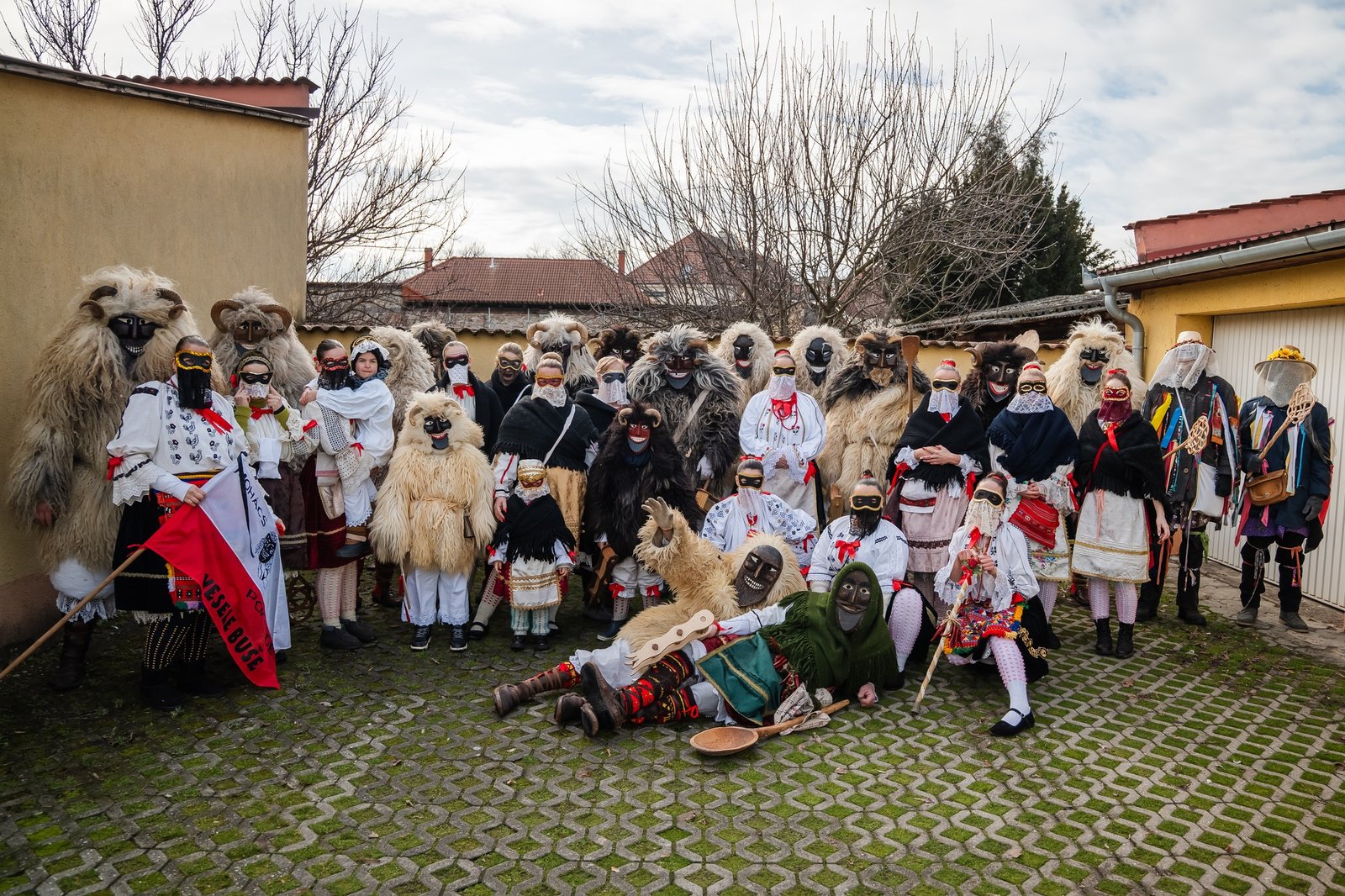
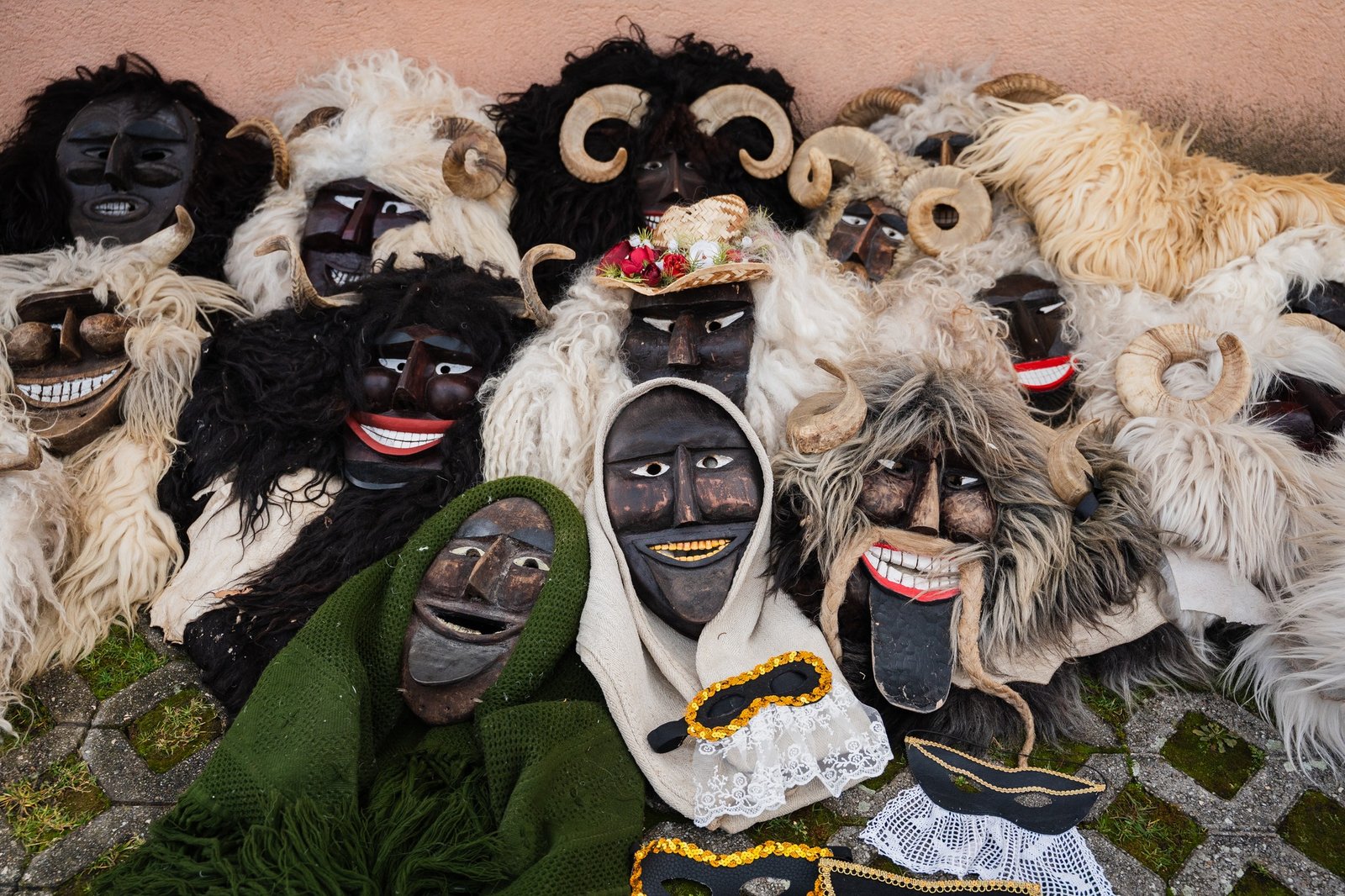
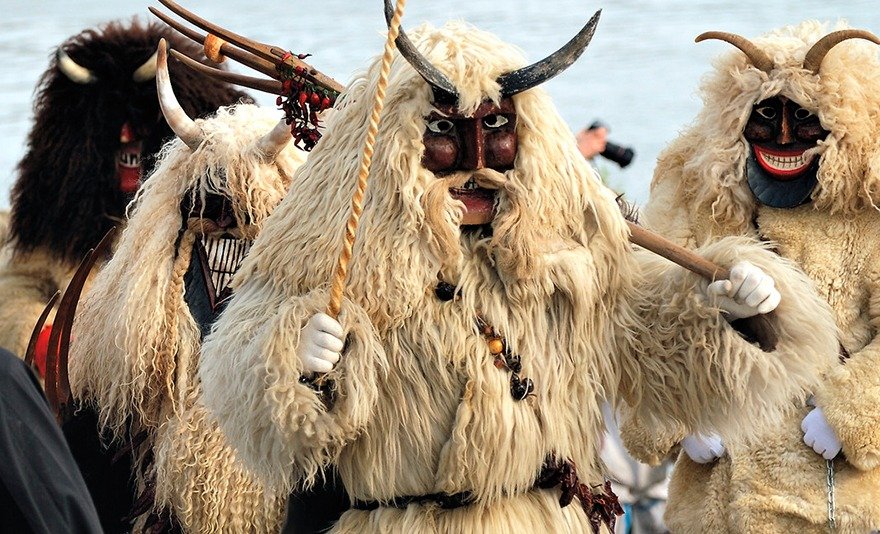
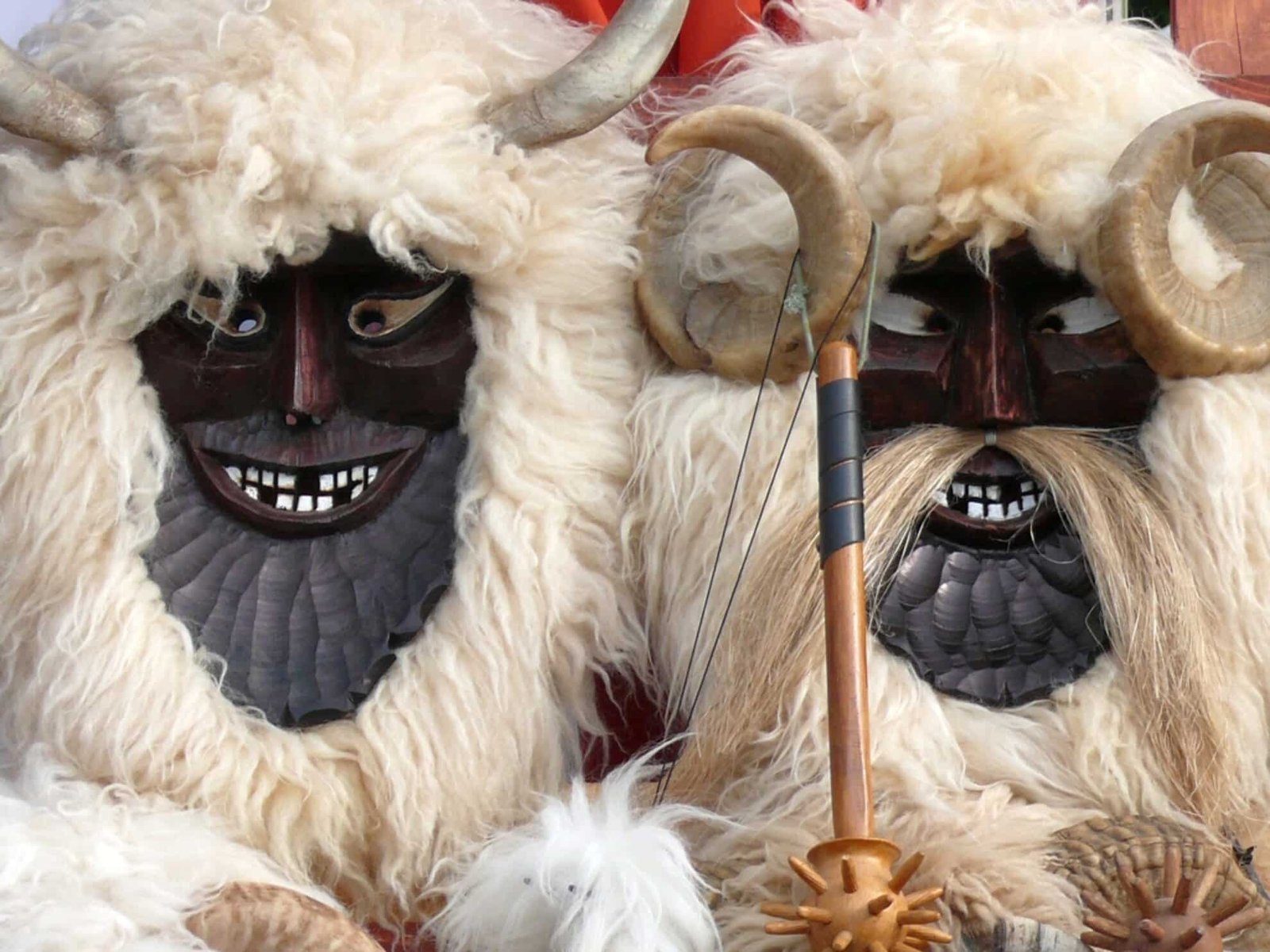
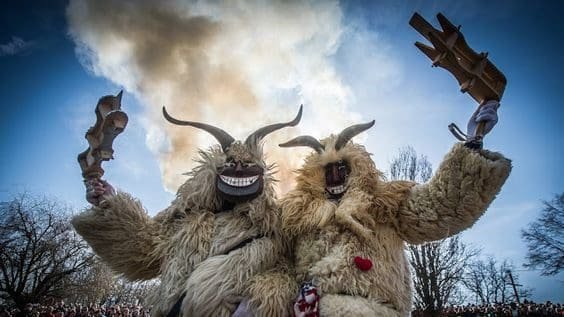
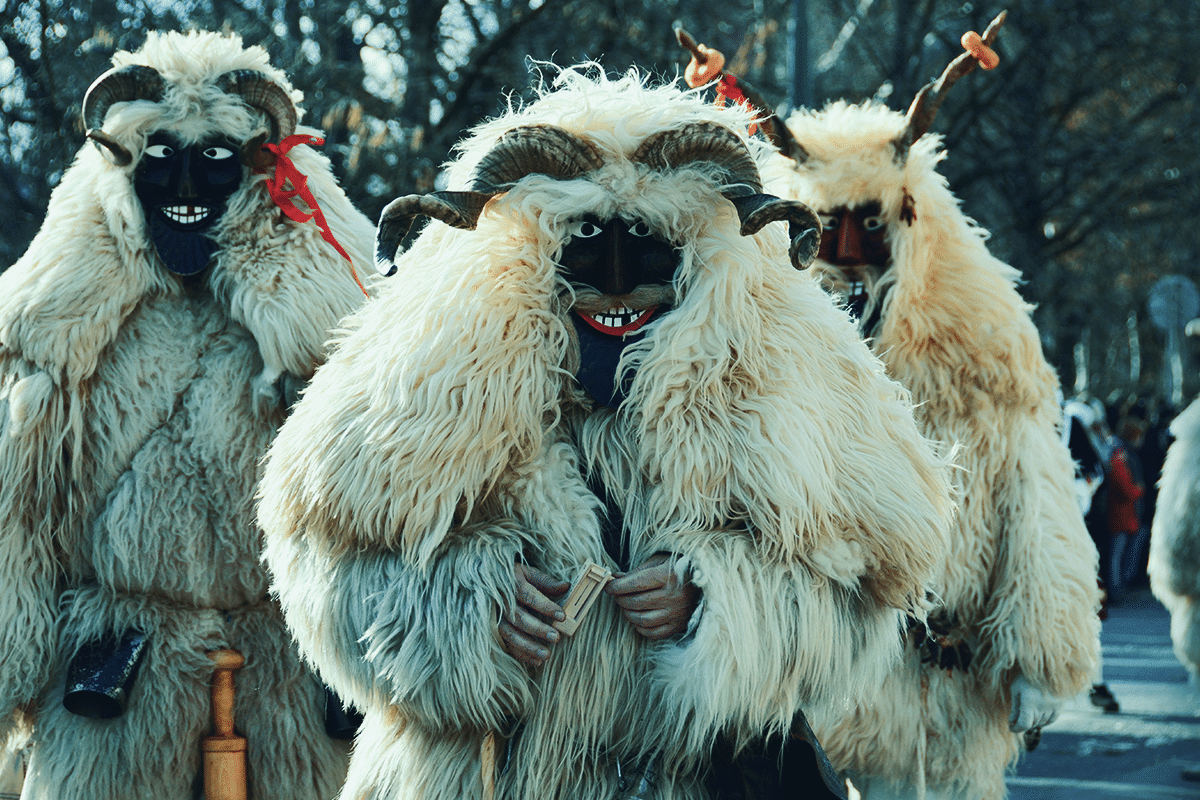
The Mohácsi Busójárás is Hungary most iconic and visceral folk tradition, a spectacular winter-ending carnival that has earned a place on the UNESCO Representative List of the Intangible Cultural Heritage of Humanity. Rooted in the traditions of the local Sokác ethnic group, the festival transforms the quiet Danube-side town of Mohács into a swirling vortex of ancient rituals and unbridled celebration. The event is characterized by the appearance of the Busós, figures wearing terrifying hand-carved wooden masks and woolly sheepskin cloaks, who roam the streets to scare away the winter chill.
According to local legend, these masked figures were instrumental in driving away the occupying Ottoman forces by crossing the river under the cover of night and using terrifying masks and loud noise-making instruments to frighten the soldiers. While the historical accuracy of this tale is debated, the spirit of defiance and communal joy remains the heart of the festival. Today, the event serves as a powerful symbol of rebirth and fertility, drawing thousands of participants who engage in traditional dances, music, and symbolic ceremonies that bridge the gap between ancient folklore and modern culture.
The festival atmosphere is thick with the scent of traditional Hungarian foods and the rhythmic clatter of wooden ratchets. Throughout the six day period, the town square becomes a central stage for folk dance ensembles and tambura bands, culminating in a massive bonfire where a symbolic winter coffin is burned. It is not merely a show for tourists but a deeply personal communal experience where the townspeople of Mohács reclaim their history and welcome the coming spring with fire, masks, and music.
Enjoy Your Event Stress-Free with Euro Travelo
Planning a trip to attend a festival, concert, or business event in Europe can be overwhelming—tickets, travel, accommodation, and local logistics all take time and effort. Euro Travelo makes it simple by providing everything you need through one trusted company. You save time, avoid stress, and enjoy a seamless experience from start to finish.
Event Highlights
- The Busó Landing: Watch the dramatic moment as dozens of masked Busós cross the Danube in rowboats, signaling the start of the main carnival festivities.
- The Great Carnival Parade: Experience the massive procession through the city center featuring hundreds of Busós, elaborately decorated wagons, and traditional noise-making devices.
- Winter Coffin Burning: Witness the spectacular finale in the main square where a large bonfire is lit to burn the coffin representing winter, followed by communal circle dancing.
- Mask Carving Workshops: Visit local artisans and master carvers to see the meticulous process of creating the unique, frightening wooden masks that define the festival.
Why Attend
Attending the Mohácsi Busójárás offers a rare opportunity to witness one of the last remaining authentic winter-ending traditions in Europe. It is ideal for cultural explorers, photography enthusiasts, and travelers who seek deep, immersive experiences that go beyond typical sightseeing. The energy of the festival is infectious, allowing visitors to step into a world of myth and tradition that has remained virtually unchanged for centuries.
The benefit of attending this festival is the chance to engage directly with Hungarian and Sokác heritage through its most vibrant expression. Unlike modern festivals, the Busójárás is built on community ties and ancient rites, offering a sense of connection to the past that is both haunting and exhilarating. It provides a unique educational experience for families and a festive, high-energy environment for those looking to celebrate the end of winter in the most traditional way possible.
Date & Duration
- Event Date: Expected to happen in February 2027, exact dates to be announced.
- Event Duration: 6 Days (Thursday through Shrove Tuesday)
Visiting this event? Don’t miss out on these amazing activities and local experiences while you’re here.
Ticket Information
- How Tickets Are Sold: Most outdoor street events and parades are open to the public without a ticket; however, specific indoor performances or museum exhibitions may require separate entry fees.
- Admission Type: General admission to the town and the main square is public and accessible to everyone.
- Ticket Pricing: Access to the main festivals and parades is Free Admission.
- Special Seating Options: Some grandstands are occasionally erected in the main square for the Sunday parade, which can be reserved on-site or through local tourism offices.
- VIP Options: Exclusive guided tours that include meeting mask carvers and private viewing areas are sometimes offered by regional travel agencies.
Venue / Location
- City and Country: Mohács, Hungary
- Venue Name: City Center and Széchenyi Square
- Google Maps Address: Pécs, Széchenyi tér 8, 7621 Hungary
Worried about accommodation? Hotels near this event sell out quickly, and prices tend to rise fast. Check out these accommodation options:
Contact Information
- Email: info@mohacskultura.hu
- Phone Number: +36 69 505 515
- Official Website: https://www.mohacsibusojaras.hu/
- Social Media Links:
- https://www.facebook.com/busojarasmohacs
- https://www.instagram.com/busojaras/
Getting There
- Nearest Airport: Budapest Ferenc Liszt International Airport is approximately 125 miles from the venue.
- Nearest Train/Metro Station: Mohács Train Station is the primary rail terminal for regional services connecting from Pécs.
- Bus Routes or Public Transport Options: Frequent long-distance buses run from Budapest Népliget station directly to the Mohács bus terminal.
- Parking Availability: Large temporary parking zones are established on the outskirts of the town for the duration of the festival.
- Directions by Car: Follow the M6 motorway south from Budapest directly toward Mohács for the most straightforward route.
What is this event?
The Mohácsi Busójárás is a historic carnival and winter-ending festival that celebrates the heritage of the Sokác people. It features masked participants known as Busós who use noise and fire to bid farewell to the cold season.
The event is a vibrant blend of folk music, traditional costumes, and ancient rituals that take over the entire town. It is considered one of Hungary most important cultural treasures and is recognized by UNESCO.
Why is it popular?
The festival is popular because of its unique and somewhat mysterious aesthetic, characterized by the iconic hand-carved wooden masks. It offers a raw and energetic experience that contrasts sharply with more commercialized European carnivals.
Its popularity also stems from the deep community involvement, as nearly every local family participates in the traditions. The combination of historical legend, traditional gastronomy, and the dramatic bonfire makes it a must-see for global travelers.
Tips before you go
- Dress in warm layers as the festival takes place outdoors in mid-winter and can be quite cold, especially near the river.
- Be prepared for the Busós to interact with the crowd; they often play harmless pranks or sprinkle flour as part of the tradition.
- Arrive early on Carnival Sunday as the town becomes extremely crowded and finding a good viewing spot for the parade can be difficult.
- Carry local currency (Hungarian Forint) for the street food markets, as many traditional vendors may not accept international credit cards.
- Wear comfortable, waterproof shoes as you will likely be standing on cobblestones or grass for long periods of time.
Attendee Experiences
- The energy when the bonfire is lit in the square is something I have never felt anywhere else.
- Seeing the masks up close is incredible because you can see the detail and the history in every carving.
- It is loud and chaotic in the best way possible, like being part of a living piece of history.
Tickets Sell Out
in Minutes
Maps
Contact
Video
FAQ's
Is the festival suitable for young children?
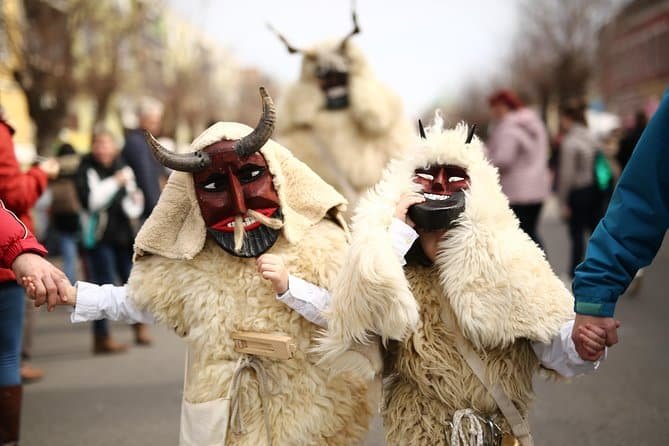
While the masks can look a bit scary, the festival is a family-oriented event and children in the town even have their own "Little Busó" day. The Busós are generally friendly and their pranks are all in good fun, meant to bring luck and joy. It is a fantastic way for kids to see a different culture, though parents of very sensitive children should keep them closer during the main parade.
Can I dress up as a Busó if I am a visitor?
The role of a Busó is traditionally reserved for those who follow the strict rules of the costume, including the specific hand-carved mask and sheepskin. Visitors are encouraged to wear masks or "maskara" costumes of their own, but appearing as a full Busó is usually a privilege for local group members. You can however buy your own mask from local craftsmen to take home as a souvenir.
What kind of food should I try at the festival?
The food stalls offer a wide variety of traditional Hungarian and Sokác delicacies, such as the famous spicy Mohács sausages and "kürtőskalács" (chimney cake). You should also look for local bean stews cooked in clay pots over open fires, which are a specialty of the region. Many visitors also enjoy the local wines and fruit brandies known as pálinka to stay warm during the celebrations.
Is it easy to find accommodation in Mohács during the Busójárás?
Accommodation in Mohács itself usually books up many months, or even a year, in advance because the town is relatively small. Many visitors choose to stay in the nearby city of Pécs and take public transport or a shuttle to Mohács for the day. If you want to stay in the heart of the action, you must plan your trip very early and look into local guesthouses.
How do the Busós choose who to prank in the crowd?
The Busós tend to target anyone who looks like they are having fun, often singling out groups of friends or people with cameras. Common pranks include gentle hair-tussling, playful growling, or the tradition of throwing "magic" flour. It is all part of the ancient ritual intended to bring fertility and good fortune to the community, so it is best to take it with a smile.