Oslo Architecture Triennale 2026 – Oslo, Norway
Overview
The Oslo Architecture Triennale stands as a monumental pillar in the global landscape of architectural discourse and urban development, proudly holding the title of the Nordic region’s largest and most significant architecture festival. Established in 2000, this prestigious event functions as a dynamic, knowledge-driven arena where the boundaries of city planning, spatial design, and societal responsibility are continuously challenged and expanded. Every three years, Oslo transforms into a vibrant hub for architects, urban professionals, decision-makers, and curious citizens, all converging to engage with the most pressing spatial issues of our time.
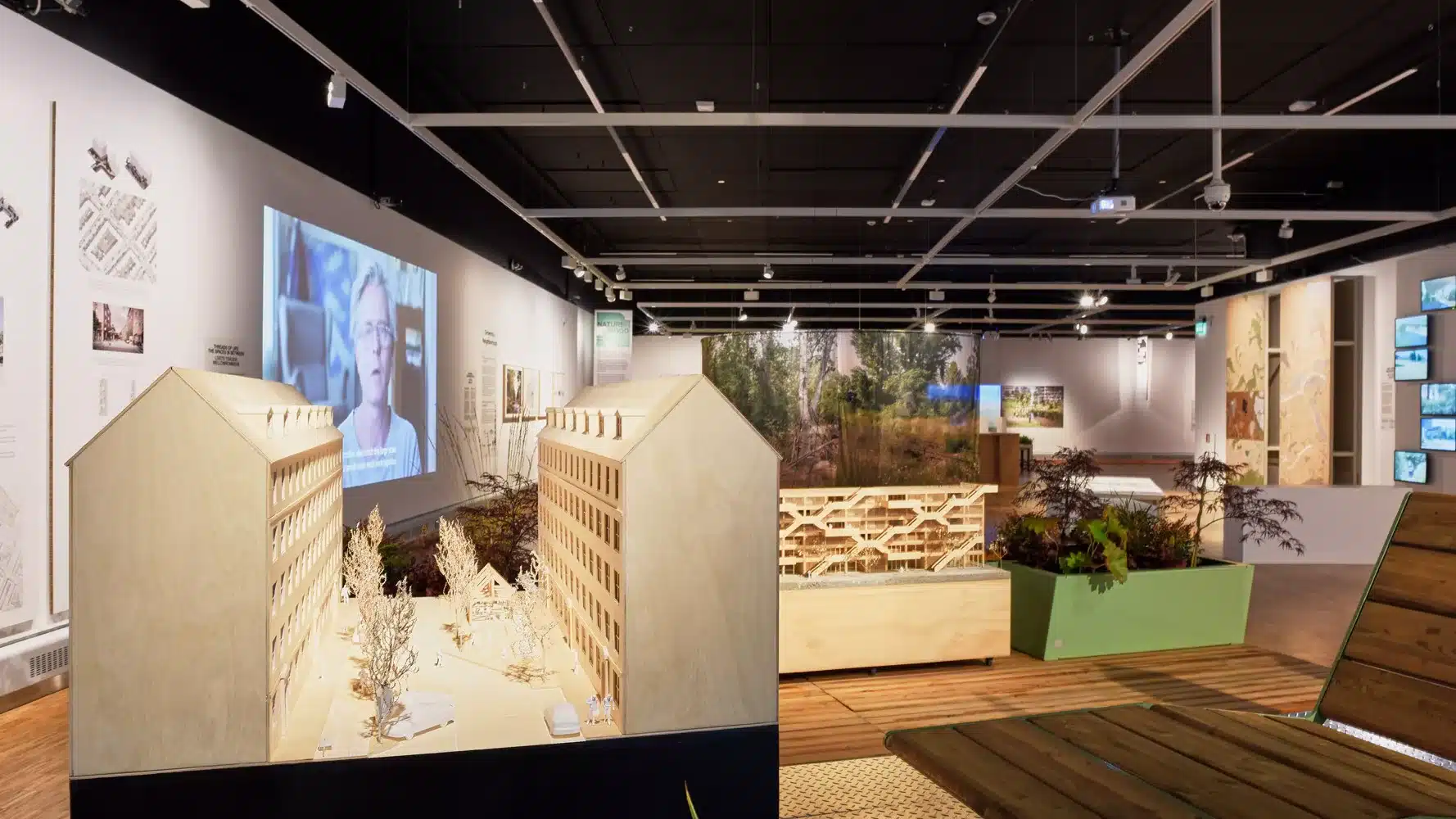
The 2026 edition, titled “What if Nature Comes First?”, represents the ninth installment of this storied festival. Under the expert direction of curator-director Christian Pagh, this year’s program seeks to pivot the architectural conversation toward a profound re-evaluation of our relationship with the natural world. Through a sprawling series of exhibitions, interactive conferences, spirited debates, and site-specific installations, the Triennale provides a platform where global challenges meet local realities, encouraging participants to rethink the fundamental role of architecture in fostering a sustainable and resilient future.
As an institution, the Triennale is renowned for producing content that resonates long after the festival’s final day, bridging the gap between professional expertise and the public consciousness. By bringing together diverse voices from across social layers and sectors, the 2026 edition promises to be a transformative experience that inspires, provokes, and invites everyone—from the casual visitor to the seasoned professional—to envision an urban future where nature is not merely a setting, but the very foundation of design.
Enjoy Your Event Stress-Free with Euro Travelo
Planning a trip to attend a festival, concert, or business event in Europe can be overwhelming—tickets, travel, accommodation, and local logistics all take time and effort. Euro Travelo makes it simple by providing everything you need through one trusted company. You save time, avoid stress, and enjoy a seamless experience from start to finish.
Event Highlights
- Explore the 9th edition of the festival, featuring the thought-provoking theme “What if Nature Comes First?” which challenges conventional approaches to urban development.
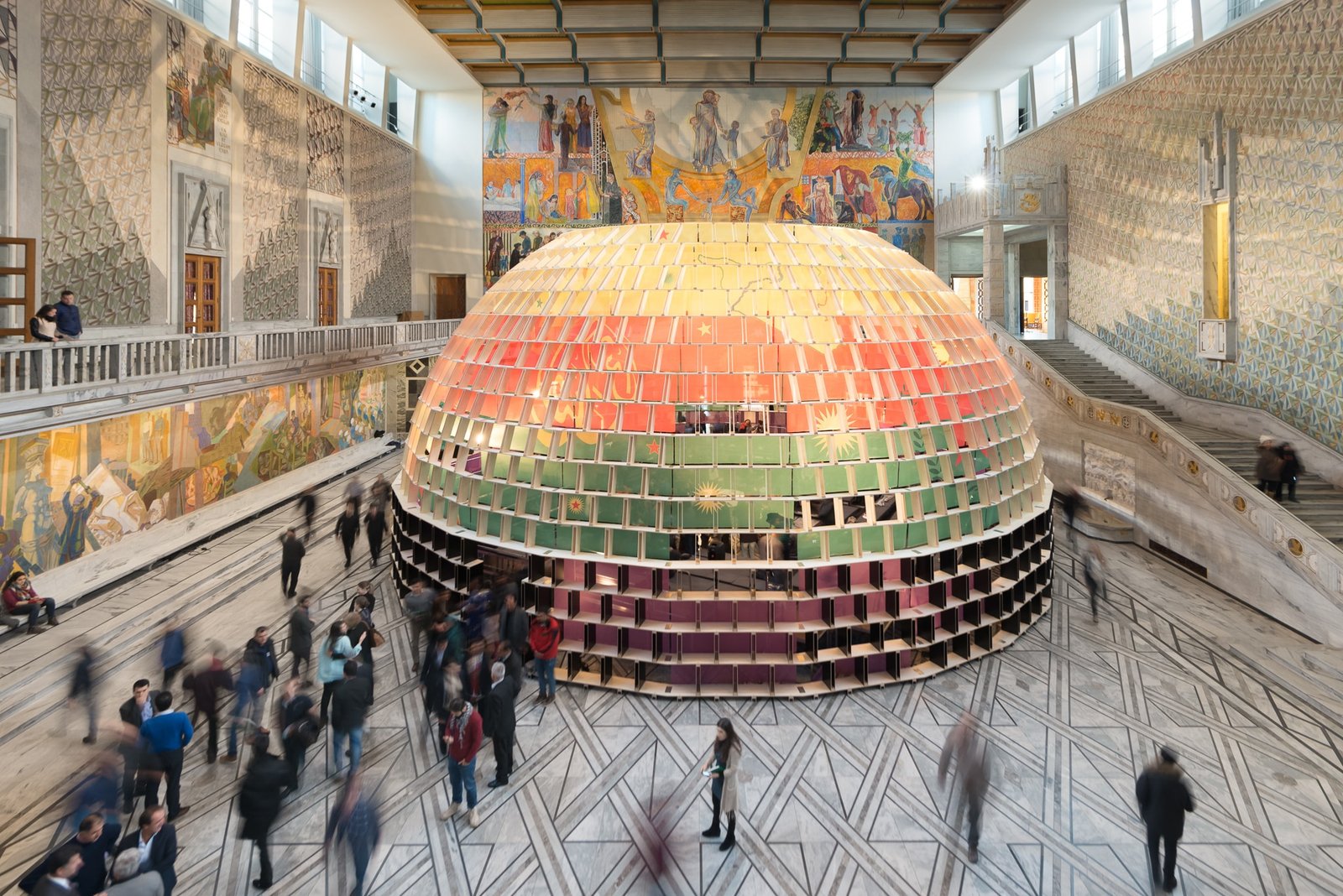
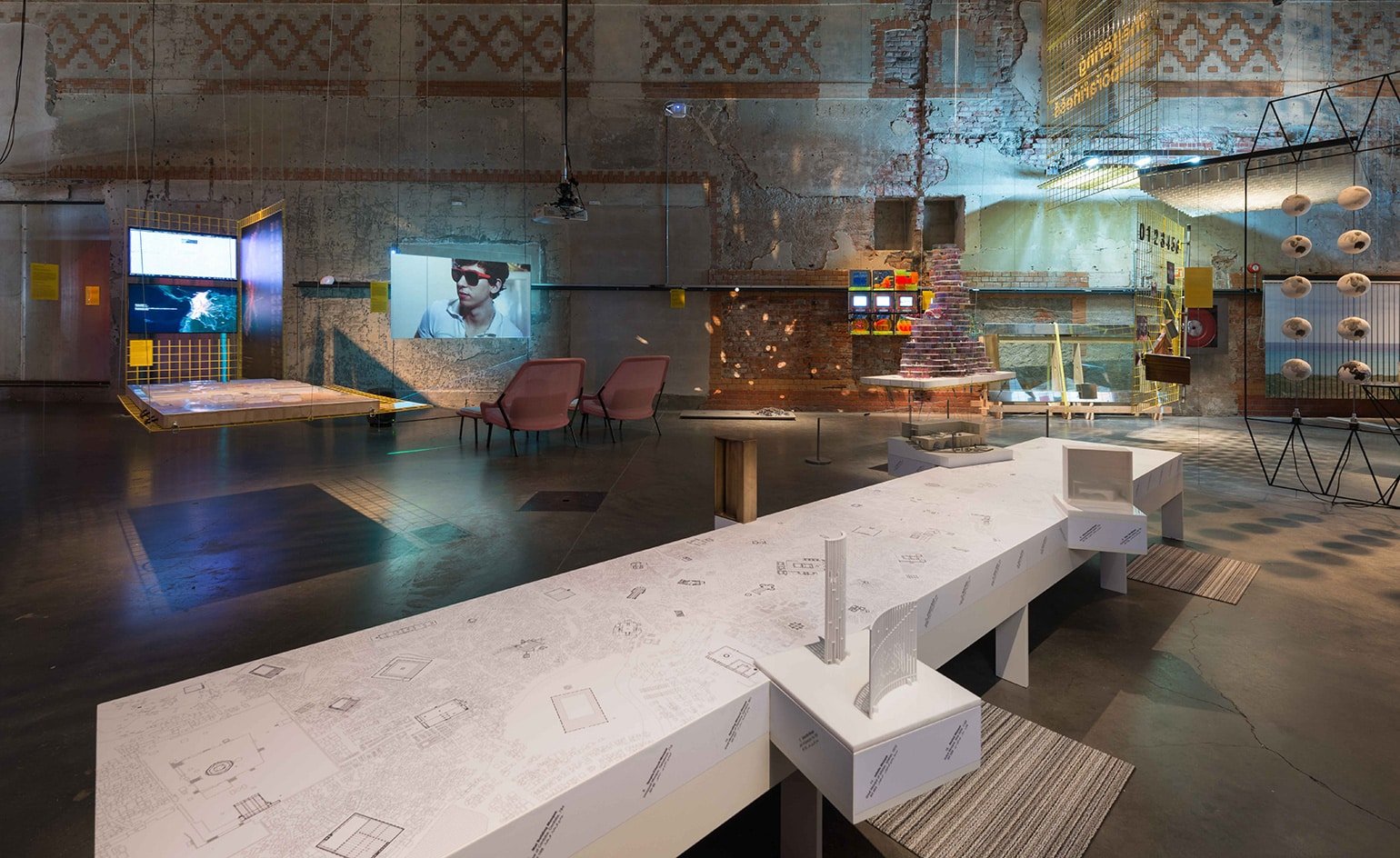
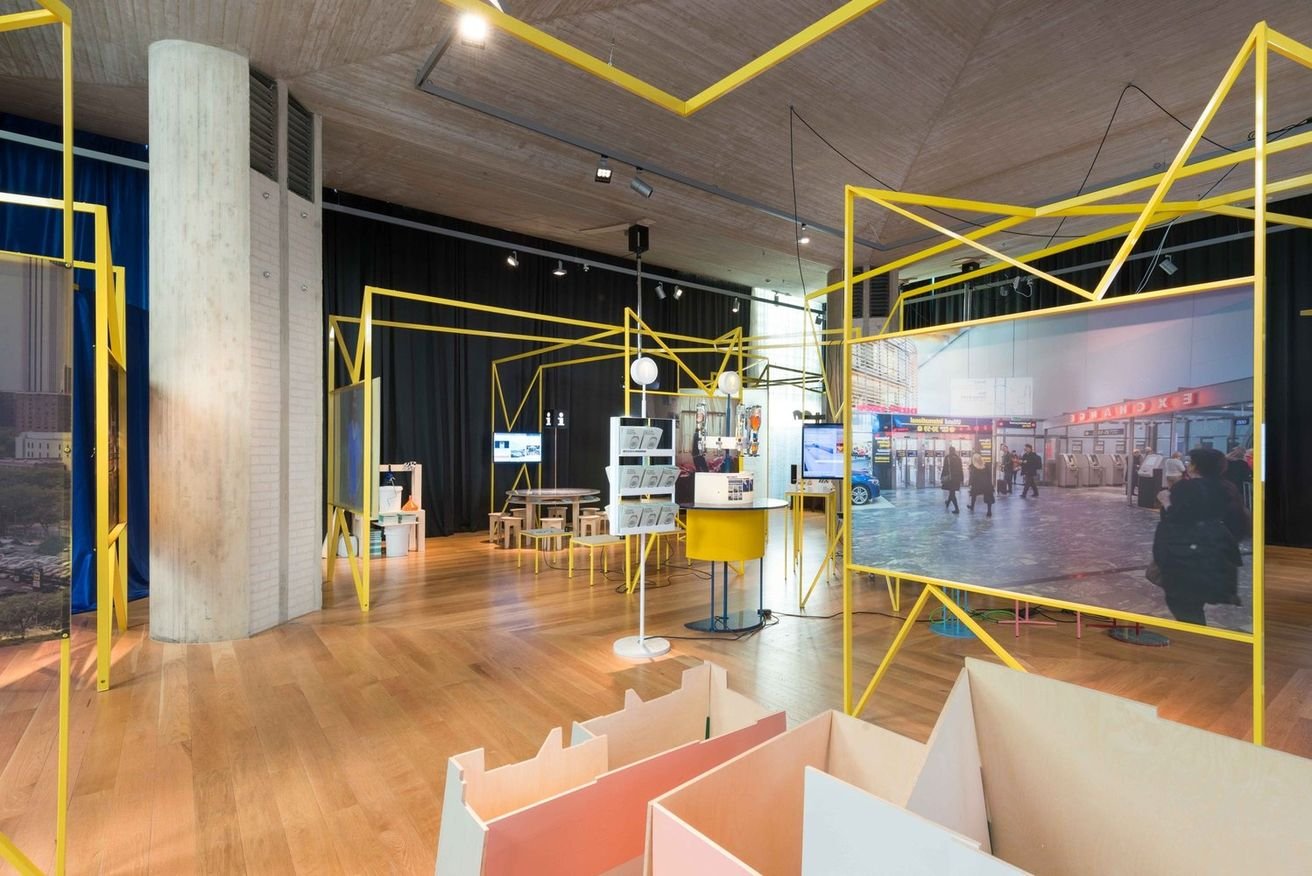
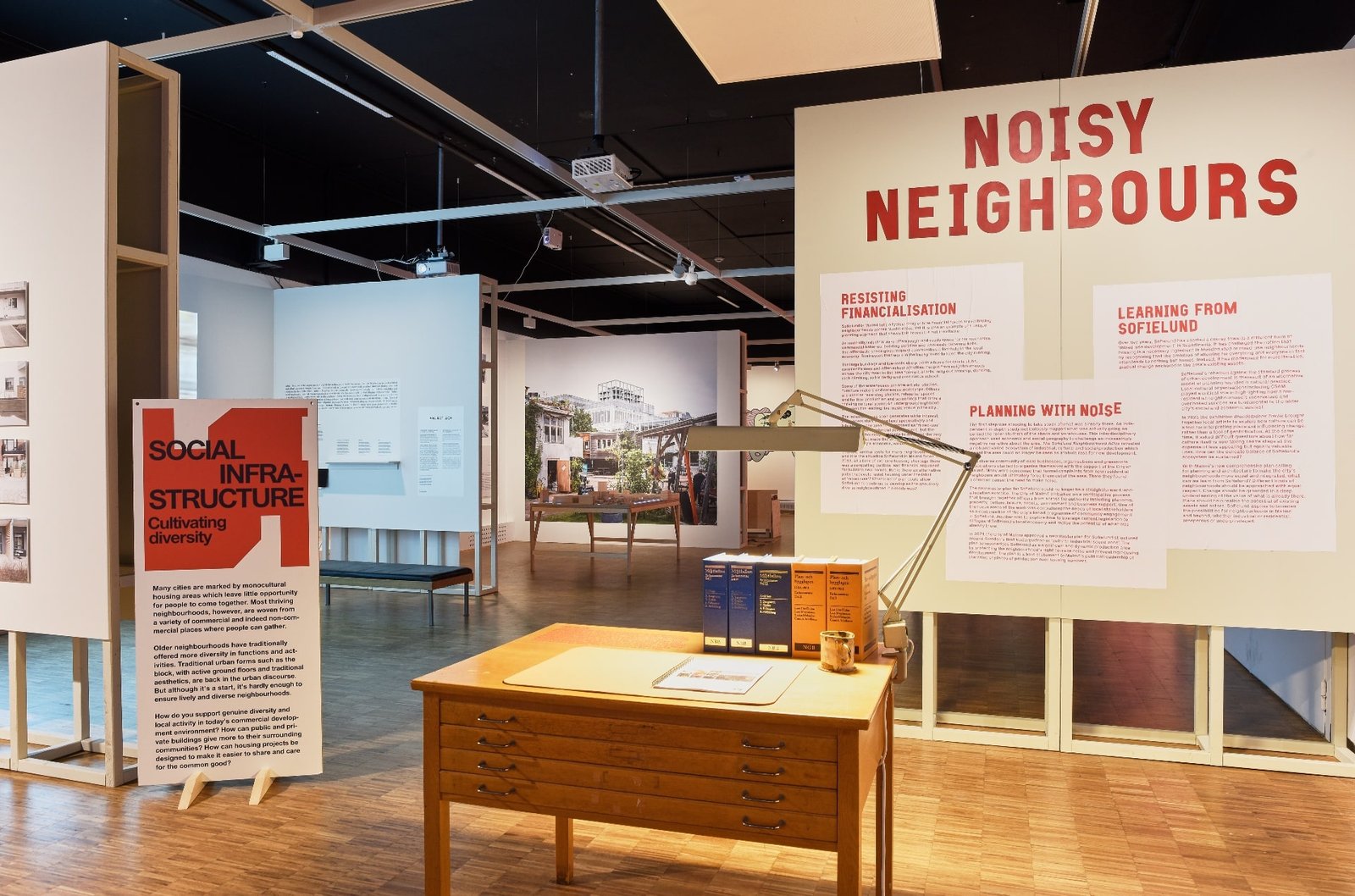
- Engage with a diverse, multi-format program including immersive exhibitions, high-level international conferences, and collaborative workshops across various iconic city venues.
- Witness visionary installations from world-class architects and designers who are pioneering new ways to integrate the built environment with ecological systems.
- Participate in a century-spanning cultural tradition that transforms Oslo into a living laboratory for sustainable urbanism and forward-thinking architectural practice.
Why Attend
Attending the Oslo Architecture Triennale is an essential endeavor for anyone passionate about the future of our cities and the intersection of nature and human habitation. It is perfectly tailored for design professionals, urban planners, and policy makers who are seeking to be at the forefront of sustainable innovation, as well as for the general public interested in how their living environment is evolving. By attending, you gain exclusive access to a global network of thinkers and practitioners who are actively reshaping the dialogue around climate resilience, urban equity, and spatial harmony.
Beyond the professional advantages, the festival offers an intellectually stimulating environment that is deeply rooted in the cultural vibrancy of Oslo. Attendees benefit from the unique opportunity to experience architecture not just as static structures, but as a living, breathing subject through public dialogues and hands-on explorations. Whether you are seeking inspiration for your own creative practice or simply want to better understand the forces shaping your own neighborhood, the Triennale provides a profound sense of perspective that is both globally relevant and locally grounded.
Date & Duration
- Event Date: Opens 17 September 2026
- Event Duration: A comprehensive festival program running throughout the autumn season, spanning approximately ten weeks.
Visiting this event? Don’t miss out on these amazing activities and local experiences while you’re here.
Ticket Information
- How Tickets Are Sold: Tickets and event passes are available for purchase via the official event portal.
- Admission Type: Flexible options include single-day exhibition passes, full-festival accreditations, and specialized tickets for individual conferences and workshops.
- Ticket Pricing: Costs range from approximately 20 USD to 150 USD depending on the depth of access required for programs, workshops, and exclusive networking events.
- Special Seating Options: Selected lectures and symposiums feature tiered seating to ensure optimal viewing and acoustic clarity for all participants.
- VIP Options: Premium festival passes are available, offering priority access to exclusive curator-led tours, private receptions, and networking sessions with featured speakers.
Venue / Location
- City and Country: Oslo, Norway
- Venue Name: Various locations across the city, including the National Museum, DOGA (Design and Architecture Norway), and AHO (The Oslo School of Architecture and Design).
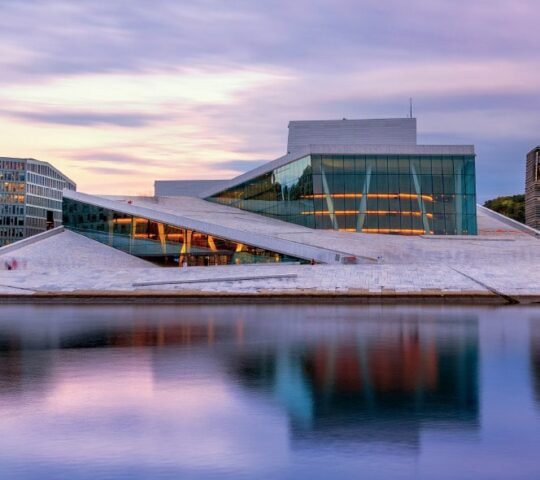
- Google Maps Address: Various venues throughout Oslo, with primary hubs located centrally near the Oslo Opera House and the National Museum.
Worried about accommodation? Hotels near this event sell out quickly, and prices tend to rise fast. Check out these accommodation options:
Contact Information
- Email: post@oslotriennale.no
- Official Website: oslotriennale.no
Accommodation Options
Oslo provides a wide spectrum of lodging options that cater to international visitors, ranging from sophisticated boutique hotels in the architectural center of the city to stylish, eco-conscious hostels. Staying near the city center is highly recommended, as it allows for efficient travel between the primary Triennale venues using Oslo’s exceptionally well-integrated public transportation network.
For those seeking a more curated experience, many attendees opt for design-focused apartments in the Grünerløkka or Bjørvika districts. These areas are not only vibrant urban hubs with excellent dining but also offer a glimpse into the very urban planning developments that are often the topic of discussion within the Triennale’s halls.
Getting There
- Nearest Airport: Oslo Airport, Gardermoen (OSL), located approximately 47 kilometers from the city center, accessible via the high-speed Flytoget train.
- Nearest Train/Metro Station: Oslo Central Station (Oslo S) serves as the primary transit hub for national and regional connections.
- Bus Routes or Public Transport Options: The city is served by an extensive Ruter network, including trams, buses, and metro (T-bane) lines that stop near all primary exhibition venues.
- Parking Availability: Limited street parking is available in the city center, though public transport is strongly encouraged due to Oslo’s pedestrian-friendly urban strategy.
- Directions by Car: Primary access is via the E18 and E6 highways, which connect Oslo to the surrounding regions and international borders.
Dining Recommendations
Breakfast Recommendations:
- Local neighborhood cafes offering traditional Scandinavian open-faced sandwiches and freshly baked cardamom buns.
- City center patisseries specializing in high-quality, artisanal sourdough breads and locally roasted coffee blends.
- Boutique hotel lounges that provide an elegant setting for a nutrient-dense breakfast featuring Norwegian smoked salmon and cloudberry preserves.
Lunch Recommendations:
- Food halls in the city center providing a diverse range of quick, gourmet options featuring sustainable, locally sourced ingredients.
- Casual, light-filled bistros near the National Museum that focus on seasonal Nordic vegetable dishes and daily soups.
- Waterfront eateries in Bjørvika offering fresh seafood with panoramic views of the Oslofjord, perfect for a mid-day break between sessions.
Dinner Recommendations:
- Award-winning restaurants in the city center specializing in New Nordic cuisine and innovative preparation of forest game.
- Stylish, relaxed dining rooms located in converted industrial spaces that highlight the intersection of Oslo’s gritty history and modern design.
- Vegetarian-focused dining establishments that reflect the event’s commitment to sustainability and environmental consciousness.
Local Specialties to Try:
- Brunost, a traditional Norwegian brown cheese with a distinct, caramel-like flavor, often served on waffles.
- Fårikål, a hearty traditional stew of mutton and cabbage that is a seasonal favorite during the autumn months.
- Freshly baked Skillingsboller, soft cinnamon-infused buns that are a staple of Norwegian coffee culture.
What is this event?
The Oslo Architecture Triennale is an international architecture festival that serves as a global arena for the exploration and discussion of urgent spatial challenges. It functions as a platform for disseminating new ideas on urban development, sustainable architecture, and the future of human habitation.
Through a wide variety of formats—including exhibitions, academic conferences, and public debates—it brings together professional architects, urban planners, and the public. The goal is to challenge existing norms in the built environment and spark inspiration for a more thoughtful, resilient, and inclusive world.
Why is it popular?
The Triennale is widely popular because it makes high-level architectural theory accessible and engaging through its diverse and immersive public programming. It is viewed as a vital cultural event that influences international urban discourse while remaining deeply connected to the unique challenges of the Nordic context.
It is also highly regarded for its commitment to knowledge production, often resulting in publications and research that outlive the festival itself. By consistently addressing relevant, contemporary topics like neighborhood community and nature-first design, it maintains its reputation as a leading voice in global architecture.
Tips before you go
- Download the official event app to keep track of the multi-venue schedule, as events are dispersed throughout the city.
- Dress in layers to accommodate the unpredictable autumn weather in Oslo, which can shift rapidly from sunny to cool and breezy.
- Purchase an Oslo public transit pass for the duration of your stay to enjoy seamless, unlimited travel between all Triennale venues.
- Consider booking exhibition tickets in advance, particularly for popular keynote lectures and exclusive curator-led discussions that have limited capacity.
- Take time to walk between some venues, as Oslo’s city center is designed to be highly walkable and provides a great way to observe the local urban landscape firsthand.
Tips for First-Time Visitors
- Allocate at least two full days to fully experience the primary exhibitions, as the breadth of content across venues like the National Museum and DOGA is extensive.
- Familiarize yourself with the main curatorial theme, “What if Nature Comes First?”, before you arrive, as the festival is highly research-driven and contextual.
- Use the festival’s volunteer guides if you need assistance navigating the various workshops and events; they are well-versed in the daily program updates.
- Make sure to visit the Oslofjord waterfront area near the new National Museum, where several public installations are often located, offering a scenic break from indoor programming.
- Join one of the public guided tours; they are an excellent way to gain deeper insights into the complex architectural concepts presented in the exhibits.
- Check the festival’s digital archive or social media channels for last-minute updates on pop-up events and informal “fringe” discussions held by participating architects.
Attendee Experiences
- The variety of venues across the city made the entire festival feel like a grand, urban treasure hunt for architectural inspiration.
- It was fascinating to see how the curators turned such complex theoretical topics into genuinely engaging and interactive museum displays.
- Engaging in the debates gave me an entirely new perspective on how our local city planning decisions affect the global environment.
Tickets Sell Out
in Minutes
Maps
Contact
- Various locations across the city, including the National Museum, DOGA (Design and Architecture Norway), and AHO (The Oslo School of Architecture and Design), Oslo, Norway
- post@oslotriennale.no
- https://www.oslotriennale.no/
- https://www.facebook.com/Oslotriennale
- https://www.instagram.com/oslotriennale/
Video
FAQ's
What is the core theme of the 2026 Oslo Architecture Triennale?
The ninth edition of the festival is titled "What if Nature Comes First?". This theme challenges architects and the public to fundamentally rethink the role of nature in urban design, moving beyond decorative greening to making ecological health a primary premise of all development.
Are the exhibitions suitable for people without an architectural background?
Absolutely, the Triennale is designed to engage a broad audience, from design professionals to curious city dwellers. While the content is intellectually rigorous, the installations and events are curated to be accessible, interactive, and relevant to anyone interested in how we shape our future cities.
Is it possible to visit only a single venue during the festival?
Yes, while there is a cohesive program connecting all locations, you can certainly focus your visit on specific venues like the National Museum or DOGA. Each primary venue typically hosts a distinct, self-contained portion of the larger curatorial narrative, allowing for a meaningful experience regardless of how many sites you visit.
Where can I find the most up-to-date schedule of events?
The most reliable source for the event schedule is the official website of the Oslo Architecture Triennale. It provides real-time updates on exhibitions, lecture timings, and any changes to the program, and also serves as the primary portal for booking tickets and event passes.
How does the festival impact local urban development in Oslo?
The Triennale serves as a catalyst for local debate and policy discourse, often influencing how the municipality and private developers approach city projects. By bringing international experts together with local decision-makers, the festival actively shapes the city’s long-term vision for sustainability, public space, and urban growth.