Soundwave Croatia
Background & History
- Origins and Founding: Soundwave Croatia was founded in 2009 by Soundcrash, a London-based promoter, in collaboration with Noah Ball, a curator from Outlook and Dimensions Festivals, to create a boutique music festival blending music, art, and a holiday vibe on Croatia’s Dalmatian coast.
- Evolution and Growth: Held at The Garden Resort in Tisno, Soundwave grew from a small event to a globally recognized festival, attracting 3,000–5,000 attendees annually. Its 10th and final edition in 2018 was celebrated as a milestone, but fan demand and Croatia’s festival culture fuel speculation for a 2026 revival.
- Cultural Significance: Soundwave was a pioneer in Croatia’s festival scene, offering an alternative to mainstream EDM events by focusing on eclectic genres and fostering a sense of community. It emphasized cultural exchange, blending global music with Croatia’s coastal lifestyle.
- Musical Diversity: The festival showcased reggae, hip-hop, funk, soul, drum and bass, broken beat, afro, house, disco, and acid jazz, featuring artists like The Pharcyde, Laura Mvula, and Fat Freddy’s Drop, connecting diverse musical traditions.
- Community and Legacy: Known for its loyal following, with a third of tickets sold before artist announcements, Soundwave’s legacy lives on through Tisno’s festival scene (e.g., SunceBeat, Defected Croatia). A potential 2026 return would build on this legacy, possibly integrating initiatives like “Women Stars of Tomorrow” inspired by regional music programs.
- Environmental Focus: Soundwave promoted sustainability with waste reduction initiatives and encouraged eco-friendly practices among attendees, aligning with Croatia’s efforts to preserve its natural beauty.
- Organizers’ Vision: Curated by promoters like Rob Waller, the festival aimed to create a “harmonious and beatific escape,” distinct from crowded, commercial festivals, emphasizing intimacy and cultural enrichment.
Event Highlights
- Main Activities or Performances:
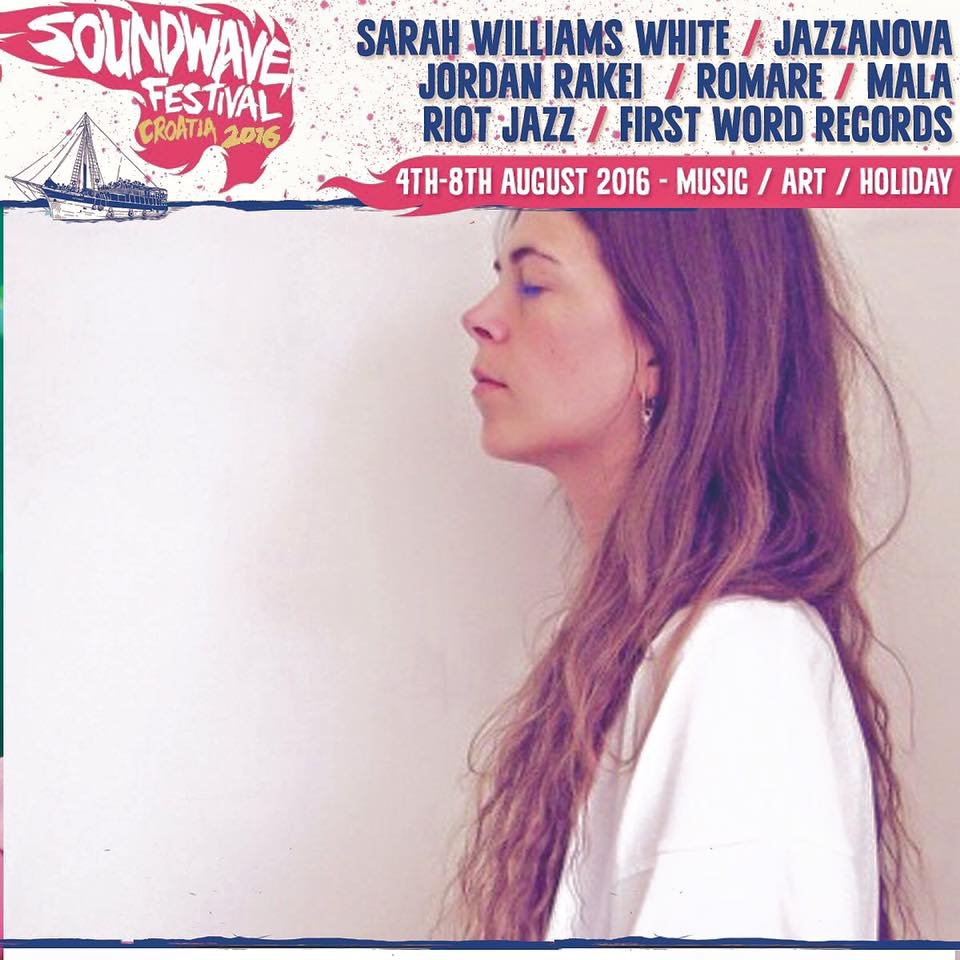
- Live performances by international and local artists, historically featuring acts like Loyle Carner, Jordan Rakei, Romare, Submotion Orchestra, and Roy Ayers.
- DJ sets spanning funk, soul, hip-hop, reggae, drum and bass, and electronic music, with past performers like Gilles Peterson, Mr Scruff, Roni Size, and Mala.
- Live art installations, mural painting, and on-site cinema screenings, creating a multidisciplinary cultural experience.
- Special Traditions or Features:
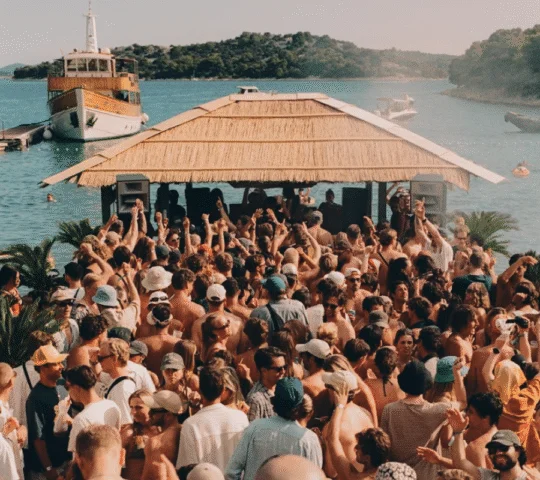
- Adriatic boat parties (up to 13 per festival), featuring unique performances like brass bands, Eglo Records sets, or soul and disco DJs.
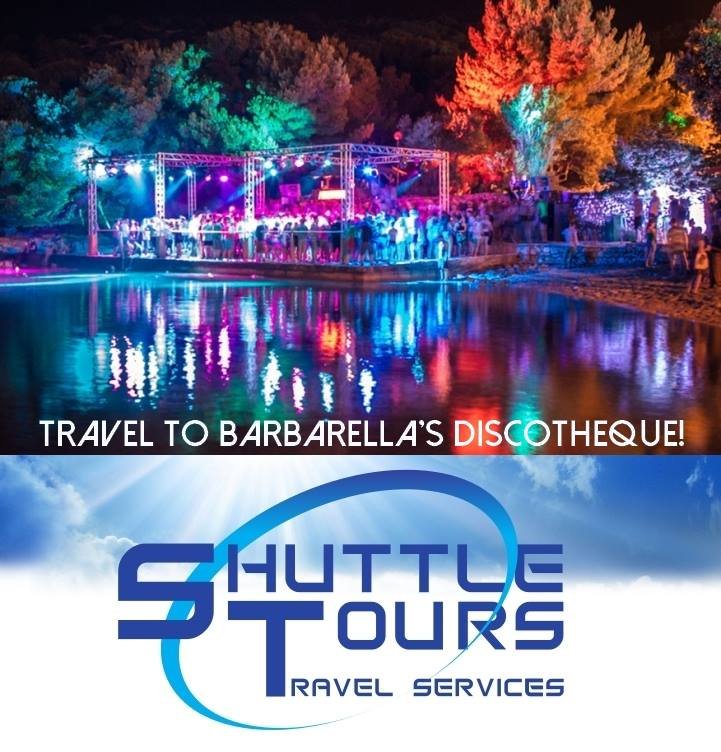
- Nightly after-parties at Barbarella’s Discotheque, an open-air club with Funktion One sound systems, extending festivities until dawn.
- Potential inclusion of female-focused performances, inspired by initiatives like “Women Stars of Tomorrow,” showcasing emerging regional talent.
- Interactive workshops, such as music production or dance classes, often held during daytime hours.
- Unique Attractions for Visitors:
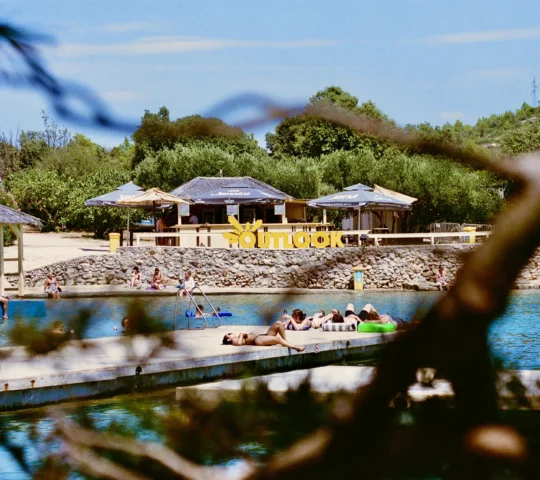
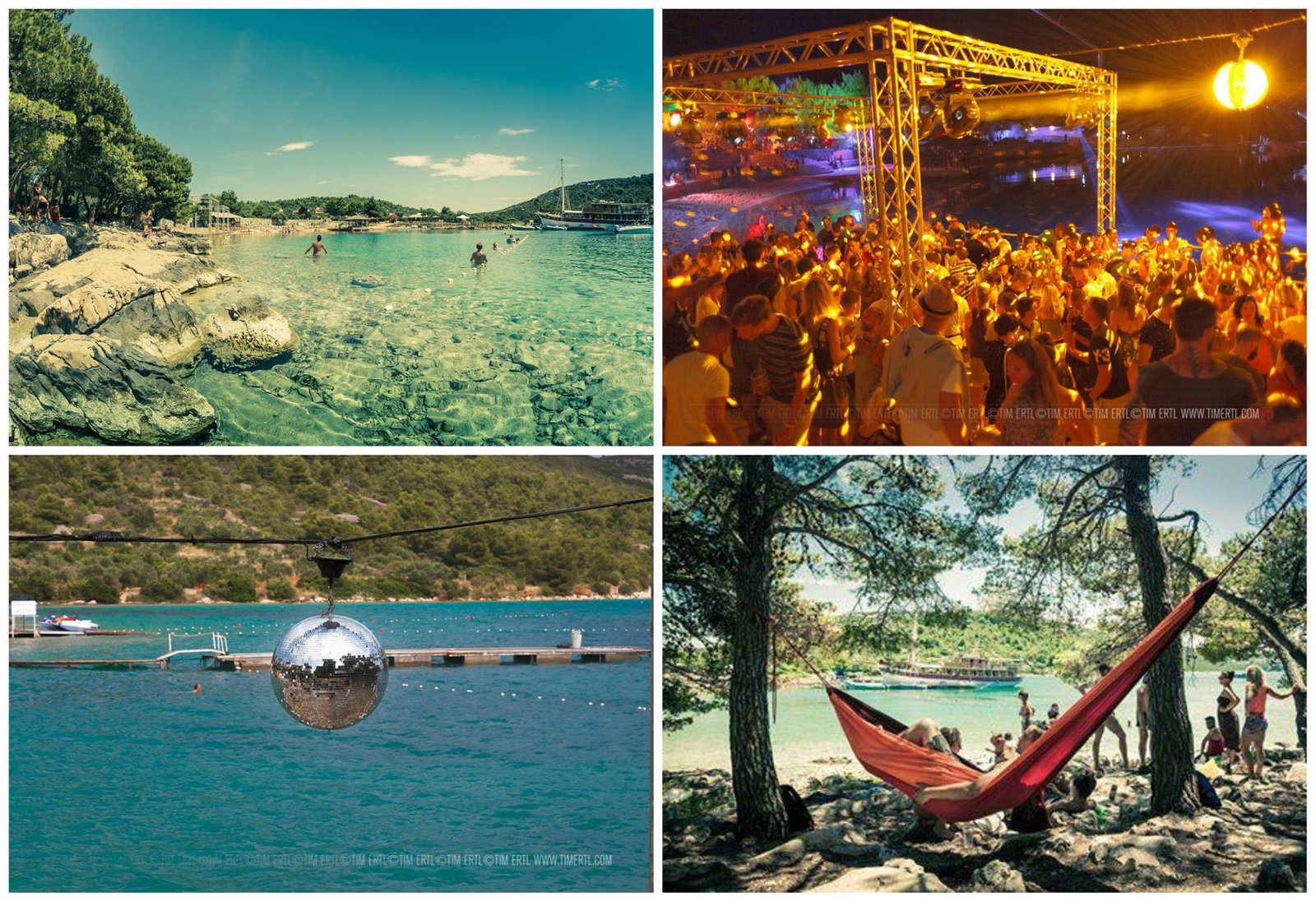
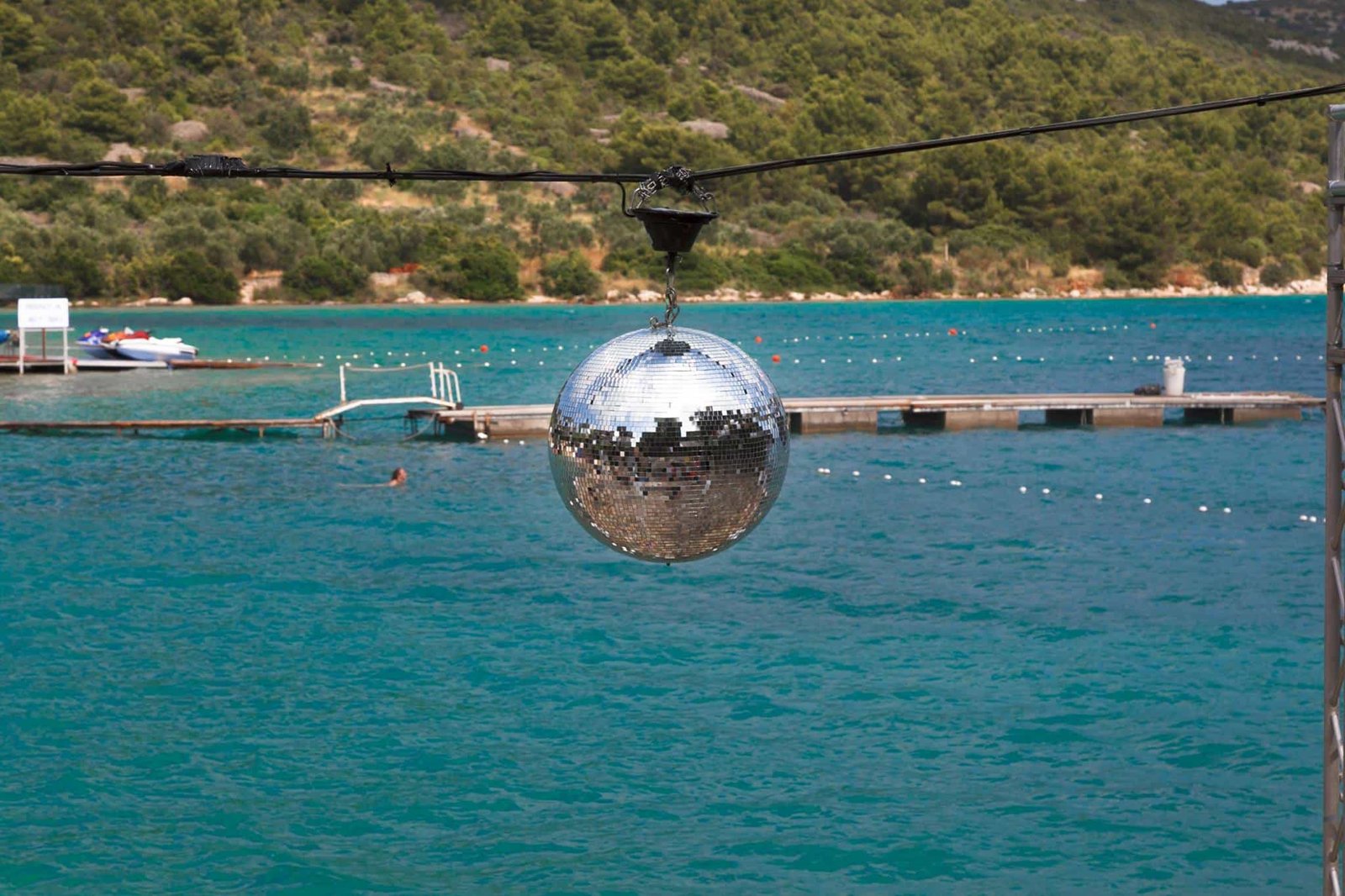
- Beachfront stage at The Garden Resort, where attendees can dance in the Adriatic Sea under starlit skies.
- Olive Grove stage, a shaded, intimate venue nestled under trees, enhancing the festival’s natural ambiance.
- Day trips to nearby Krka and Kornati National Parks for snorkeling, island hopping, or boat rentals, blending music with adventure tourism.
- Street art and mural displays, with artists creating live works inspired by the festival’s vibe.
Date & Duration
Soundwave Croatia is sadly no more!.
Venue / Location
- City: Tisno, Croatia, a small fishing village on the Dalmatian coast, known for its vibrant summer festival scene.
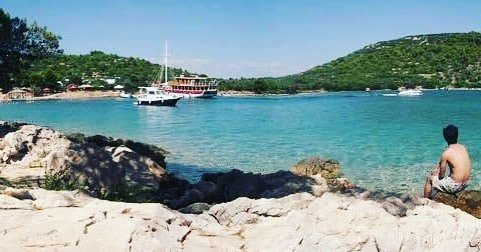
- Main Venue: The Garden Resort, a picturesque coastal site designed to integrate with nature, featuring multiple stages and a beachfront setting.
- Notable Areas:
- Beach Stage: Located directly by the Adriatic Sea, allowing attendees to dance in or near the water with stunning coastal views.
- Main Stage: Positioned slightly inland, ideal for headline acts and larger performances.
- Olive Grove Stage: A shaded, intimate venue under trees, perfect for acoustic or smaller DJ sets.
- Barbarella’s Discotheque: A nearby open-air club (10-minute drive), hosting after-parties with high-quality sound systems.
- Google Maps Address: The Garden Resort, Ul. Petrića Glava 28b, 22240 Tisno, Croatia.
Ticket Information
- How Tickets Are Sold:
- Online through the official website (soundwavecroatia.com) and partners like Fatsoma, Lyte, or Skiddle, based on historical sales platforms.
- On-site at The Garden Resort box office during the festival, subject to availability.
- Day tickets and boat party tickets sold separately, typically announced closer to the event.
- Priority sales for loyalty members or early bird buyers, often starting in February or March.
- Admission Type: Paid, with no free entry options historically noted.
- Ticket Pricing (USD):
- Minimum Price: ~$140 USD (early bird 5-day pass, based on historical pricing of £99–£129, converted at 1 USD ≈ 0.73 GBP).
- Maximum Price: ~$200 USD (standard 5-day pass, with potential increases closer to the event).
- Boat party tickets: ~$20–$50 USD each, depending on the event.
- Barbarella’s club night tickets: ~$15–$30 USD.
- Service fees apply for online purchases (~$5–$10 USD per ticket).
- Special Seating or VIP Options:
- No formal seating; most events are standing or open-area formats, with attendees free to move between stages.
- VIP packages may include priority entry to boat parties, after-parties, or exclusive areas at Barbarella’s (~$50–$100 USD extra).
- Group discounts historically offered (e.g., buy 5 tickets for the price of 4, reducing cost to ~$112 USD per person for early bird passes).
- Loyalty programs for returning attendees may provide discounts or perks, pending 2026 confirmation.
Contact Information
- Email: info@soundwavecroatia.com (general and ticket inquiries).
- Phone: Not specified; inquiries typically handled via email or social media for prompt responses.
- Website: https://www.soundwavecroatia.com
- Social Media: @soundwavecro (Facebook), @soundwavecroatia (Instagram), @soundwavecro (Twitter).
- Key Staff: Rob Waller (Soundcrash promoter), Noah Ball (curator, formerly of Outlook/Dimensions Festivals); further staff details available via info@soundwavecroatia.com.
- Press/Volunteers: Email info@soundwavecroatia.com for press or volunteer opportunities (details TBD for 2026).
- Note: Response time ~24–72 hours. English support available, with multilingual staff for international attendees.
Cultural Experience
- Traditions:
- Soundwave cultivates a relaxed, inclusive vibe, encouraging attendees to connect through music, art, and Croatia’s coastal lifestyle, distinct from larger festivals’ high-energy pace.
- The festival promotes cultural exchange by blending European, African, and global music traditions, creating a diverse, community-driven atmosphere.
- Music:
- Eclectic lineup spanning reggae, hip-hop, funk, soul, drum and bass, house, disco, afro, and acid jazz, with past artists like GoGo Penguin, Horse Meat Disco, and Yussef Kammal.
- Live performances and DJ sets are complemented by spontaneous jam sessions or pop-up acoustic sets in the Olive Grove.
- Costumes:
- Attendees wear casual festival attire, with beachwear, swimsuits, or bohemian outfits popular for daytime beach events.
- Performers may sport genre-inspired outfits, such as reggae-inspired clothing or vibrant disco costumes, enhancing the festival’s visual flair.
- Local Customs:
- Respect for Tisno’s fishing village culture is encouraged, including polite interactions with locals and supporting small businesses.
- The festival’s evening events embrace Croatia’s vibrant summer nightlife, with dancing and socializing until dawn.
- Attendees are encouraged to participate in eco-friendly practices, such as using reusable water bottles, aligning with the festival’s sustainability ethos.
Food & Drinks
- Must-Try Specialties:
- Ćevapi: Grilled minced meat sausages with ajvar (red pepper relish), served at Tisno restaurants like Konoba Broscica.
- Peka: Slow-cooked Dalmatian dish of meat or seafood with vegetables, available at local eateries (~$15–$30 USD per serving).
- Burek: Flaky pastry with cheese, meat, or spinach, sold at food stalls near The Garden Resort (~$3–$5 USD).
- Rakija: Croatian fruit brandy, a local favorite at bars or vendors (~$2–$5 USD per shot).
- Seafood Platter: Fresh Adriatic fish, octopus salad, or grilled squid, offered at restaurants like Konoba Tereža (~$15–$25 USD).
- Rožata: Dalmatian custard dessert, similar to crème caramel, found at local cafés (~$4–$7 USD).
- Event-Specific Offerings:
- Food trucks at The Garden Resort provide local and international dishes, including vegetarian, vegan, and gluten-free options.
- Beachside bars serve cocktails (e.g., mojitos, rakija sours), local wines (Plavac Mali, Pošip), and Croatian craft beers like Zmajska Pivovara (~$3–$8 USD).
- Pop-up food markets during the festival may feature regional producers or street food vendors.
Getting There
- Nearest Airports:
- Zadar Airport (ZAD), 70 km from Tisno, ~1-hour drive via taxi (~$50–$80 USD) or festival-organized shuttle (~$15–$25 USD).
- Split Airport (SPU), 100 km from Tisno, ~1.5-hour drive via taxi (~$80–$120 USD) or shuttle (~$20–$30 USD).
- Public Transport:
- Bus: Festival shuttles from Zadar and Split airports to Tisno, typically running July 29–August 4, bookable via soundwavecroatia.com. Regular buses from Zadar or Split terminals to Tisno (~$5–$10 USD, check Arriva Croatia).
- Train: Limited rail options in Croatia; buses are the primary public transport to Tisno.
- Ferry: Not needed for Tisno (mainland), but ferries to nearby islands like Murter or Kornati are available for day trips (~$10–$20 USD).
- Parking:
- Limited on-site parking at The Garden Resort; public lots in Tisno (e.g., near Tisno Bridge) cost ~$5–$10 USD/day.
- Free street parking available, but spaces are competitive during festival season; arrive early.
- Taxis/Rideshare: Local taxis via Tisno providers or apps like Bolt (~$10–$20 USD within Tisno). Festival shuttles to Barbarella’s Discotheque may be offered (~$5–$10 USD round trip).
Accommodation Options
- Camping:
- On-site camping at The Garden Resort, ~$50–$100 USD for 5 days, with showers, toilets, and security.
- Camp Jazina (1 km from festival), ~$20–$40 USD/night, offering basic and glamping options with sea views.
- Boutique camping with pre-pitched tents or eco-pods, ~$80–$150 USD for 5 days.
- Apartments and Villas:
- Seafront apartments in Tisno (e.g., Apartments Murter), ~$80–$150 USD/night for 2–4 guests, with kitchens and balconies.
- Villas in Pirovac or Jezera (10–15 km away), ~$150–$300 USD/night, ideal for groups of 6–16, often with pools.
- Hotels:
- Hotel Borovik (Tisno, 500m from festival), ~$100–$200 USD/night, offering modern rooms and proximity.
- Boutique hotels in Šibenik (20 km away), like Heritage Hotel Life Palace, ~$120–$250 USD/night, with shuttle access to Tisno.
- Hostels and Budget Options:
- Hostels in Tisno or Murter (e.g., Hostel Sestan), ~$20–$50 USD/night, with dorms or private rooms.
- Airbnb apartments in Tisno’s town center, ~$40–$100 USD/night, often with seafront views.
- Unique Options:
- Wooden yachts moored near Tisno, ~$200–$400 USD/night, offering a luxury festival experience.
- Mobile homes at nearby campsites like Camp Lovre, ~$80–$150 USD/night, with air conditioning and terraces.
- Booking Tips:
- Book 6–12 months in advance via unlock-croatia.com, Booking.com, or Airbnb, as Tisno’s accommodations fill rapidly in summer.
- Choose accommodations within 1–2 km of The Garden Resort for walkability or arrange festival shuttles.
Maps
Contact
Video
FAQ's
Is Soundwave Croatia confirmed for 2026?
The festival ended in 2018, but fan demand and Tisno’s festival culture suggest a potential revival. Check soundwavecroatia.com for 2026 updates.
How much are tickets for Soundwave Croatia 2026?
Estimated 5-day passes range from ~$140 USD (early bird) to ~$200 USD (standard). Boat parties (~$20–$50 USD) and club nights (~$15–$30 USD) are extra.
What makes The Garden Resort unique?
Its beachfront stage, Olive Grove stage, and Adriatic Sea setting create an intimate, nature-integrated festival experience, distinct from larger venues.
How do I travel to Tisno from the airport?
Take festival shuttles from Zadar (70 km, ~$15–$25 USD) or Split (100 km, ~$20–$30 USD) airports, or buses from Zadar/Split terminals (~$5–$10 USD). Taxis cost ~$50–$120 USD.
What food and drink options are available?
Food trucks offer ćevapi, burek, seafood, and vegan dishes. Local restaurants serve peka and rakija, with bars providing cocktails, wines, and craft beers (~$3–$8 USD).