
St. Patrick’s Festival 2027, Dublin, Ireland
Live Music, Dance, and Street Performance Hubs
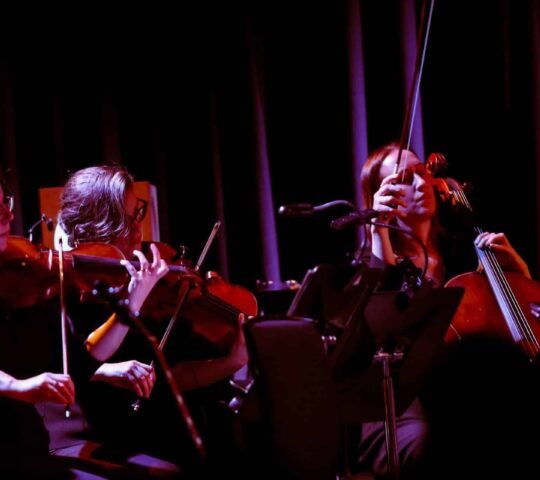
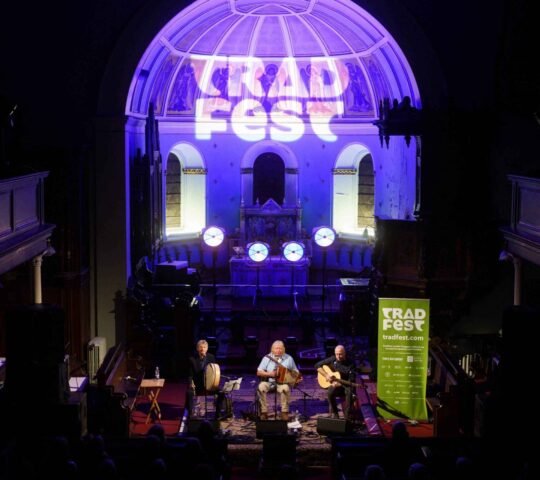
Dublin comes alive with rhythm during the festival as public squares, historical courtyards, and pop-up outdoor stages host continuous live entertainment. Traditional Irish music sessions blend seamlessly with contemporary indie rock, electronic beats, and fusion dance performances featuring local and international talent. Street performers, acrobats, and fire spinners captivate impromptu audiences gathered in pedestrianized zones throughout the city center.
Collaborative artistic showcases bridge generational divides, pairing legendary masters of traditional instruments with innovative young artists pushing the boundaries of Celtic music. Open-air dance floors invite the public to participate in traditional ceilidh sets, guided by expert callers who teach fundamental steps to enthusiastic beginners. These energetic hubs foster an immersive, participatory environment where every visitor feels actively involved in the cultural celebration.
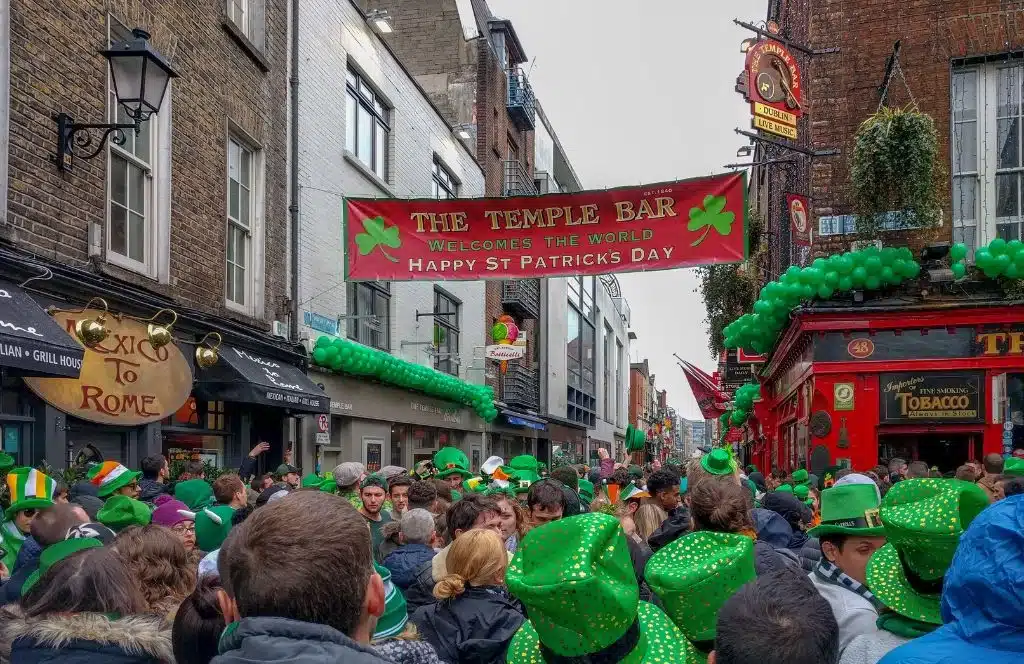
- Temple Bar public squares host open-air traditional music sessions featuring fiddle players, accordionists, and bodhrán drummers.
- Merrion Square transforms into a vibrant festival village featuring family theatre, circus arts, and interactive workshops.
- Custom-built mobile stage trucks park in various neighborhood districts to bring live performances directly to local communities.
- Late-night indoor club venues curate specialized electronic music showcases highlighting Ireland’s thriving underground scene.
- Pop-up dance platforms host open-air Irish step dancing exhibitions and participatory public social dances.
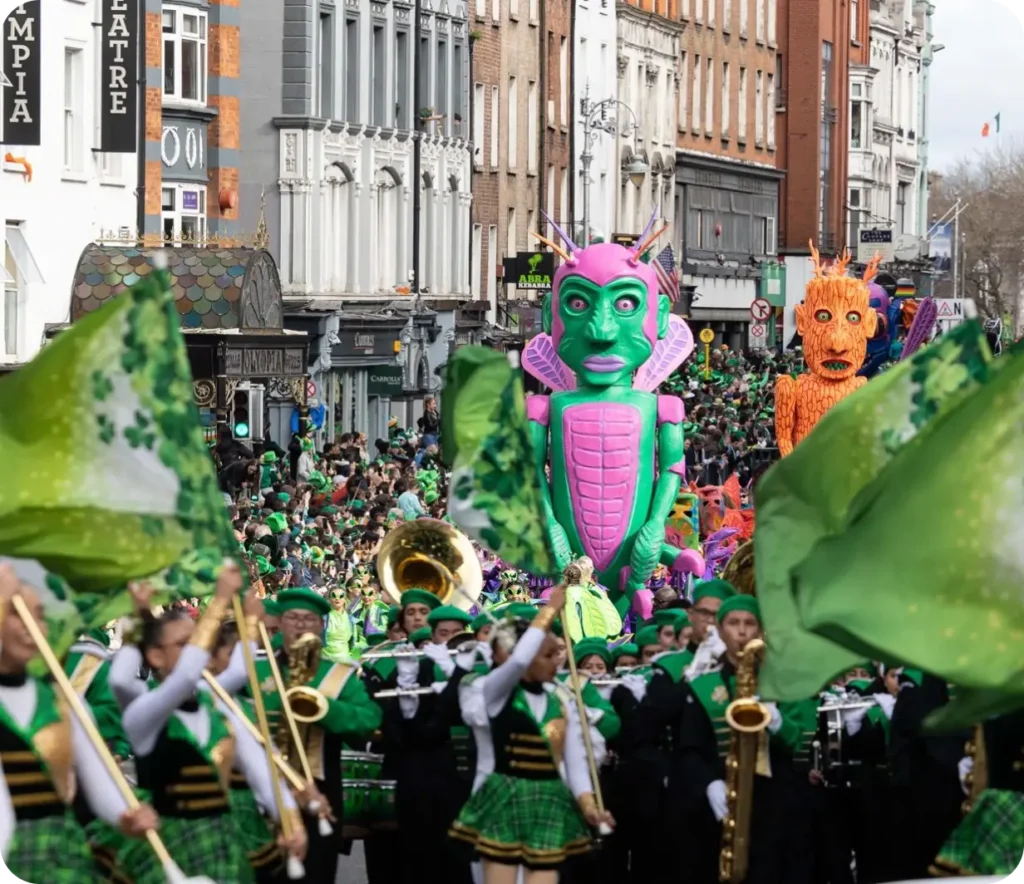
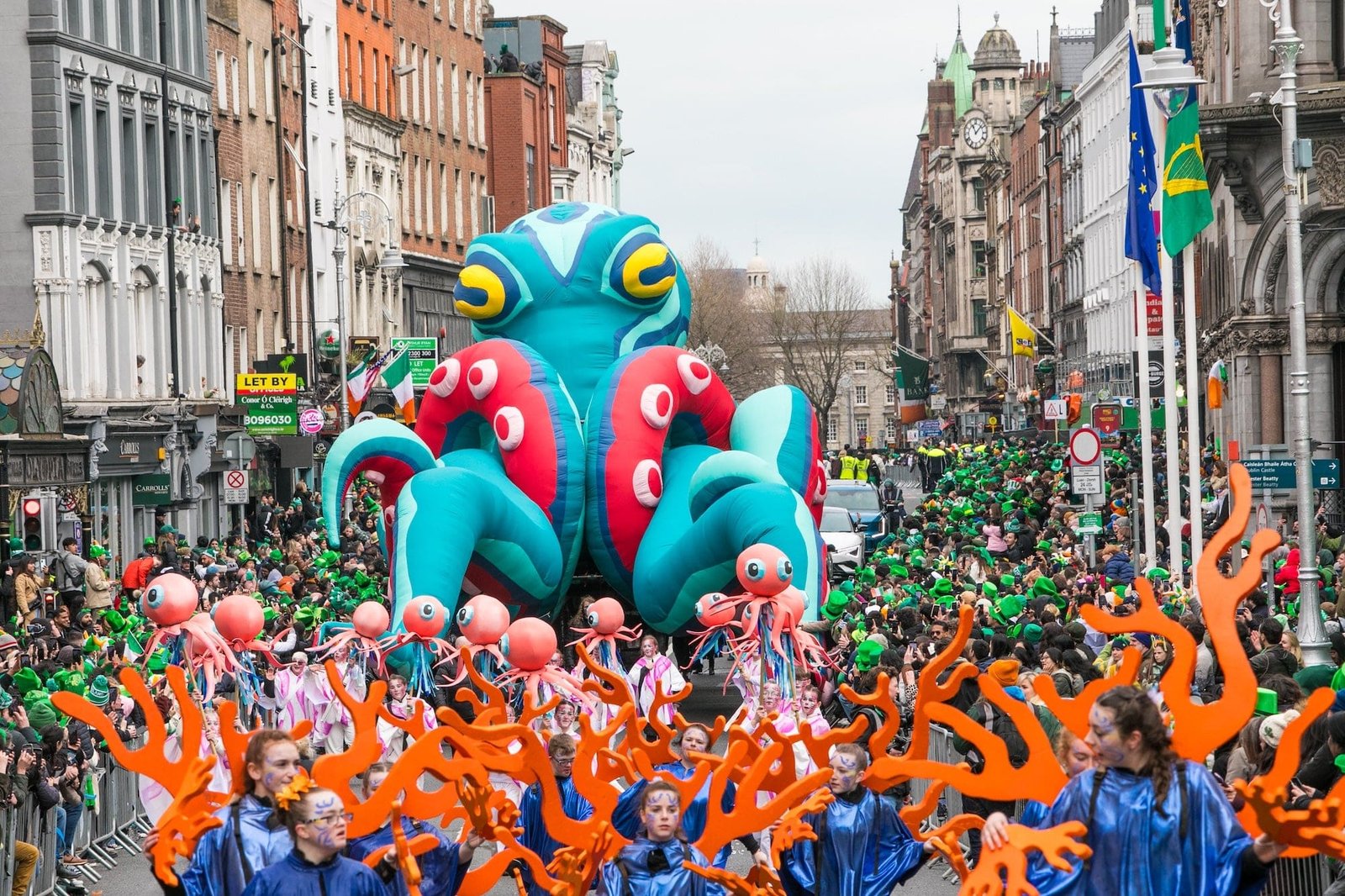
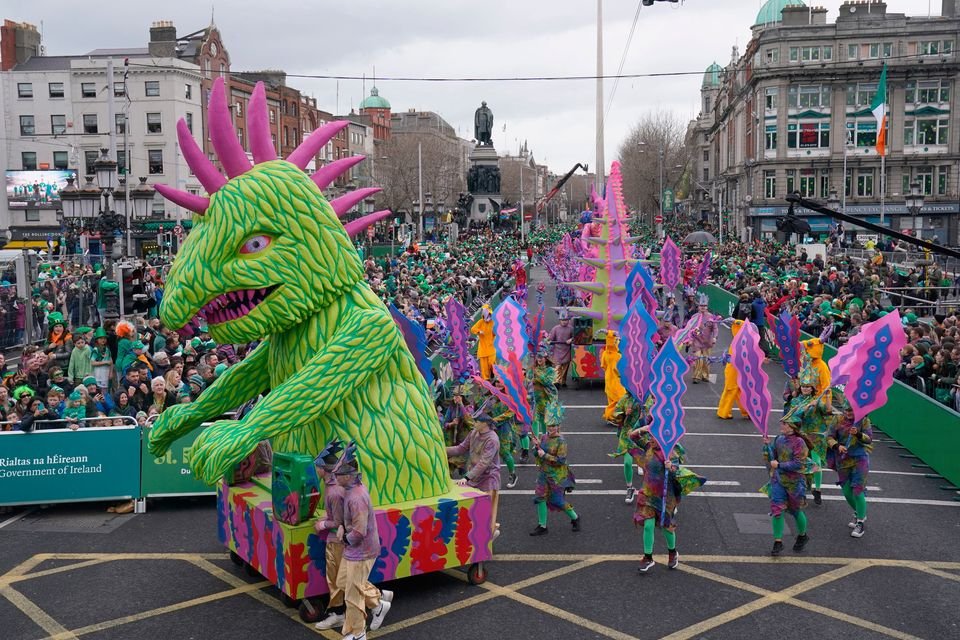
- Street theater troupes perform whimsical roving acts involving giant puppets, stilts, and elaborate theatrical costumes.
- Spoken word and poetry corners celebrate Ireland’s rich literary heritage through intimate acoustic performances.
- Busking zones designated by the city council provide legal, amplified performance spaces for independent street artists.
Event Schedule
- Event Date: 13-17 March 2027
- Event Duration: 5 days
Visiting this event? Don’t miss out on these amazing activities and local experiences while you’re here.
Accessibility and Mobility Support Services
Ensuring that the festival is fully inclusive for attendees with diverse physical and cognitive needs remains a top operational priority for organizers. Dedicated accessible viewing platforms along the parade route feature ramped access, clear sightlines, and nearby specialized restroom facilities. Mobility equipment rental services, including wheelchairs and walking aids, are available at central festival information hubs for visitors requiring support.
Enjoy Your Event Stress-Free with Euro Travelo
Planning a trip to attend a festival, concert, or business event in Europe can be overwhelming—tickets, travel, accommodation, and local logistics all take time and effort. Euro Travelo makes it simple by providing everything you need through one trusted company. You save time, avoid stress, and enjoy a seamless experience from start to finish.
Sign language interpreters translate all major public speeches, official ceremonies, and select musical performances for Deaf and hard-of-hearing attendees. Sensory-friendly quiet zones are established away from the main crush of the crowds to provide a calm retreat for neurodivergent guests and individuals experiencing sensory overload. Trained accessibility liaison officers are stationed across key venues to assist visitors with personalized guidance and logistical support.
Personal assistants and companion caregivers accompanying disabled guests receive complimentary access accreditation across all ticketed indoor events and grandstands. Accessible transport shuttle options operate between major transit hubs and primary festival zones for individuals with limited mobility. Comprehensive digital accessibility guides detailing terrain conditions, audio descriptions, and facility layouts are published online prior to the event.
- Ramped accessible grandstands provide unobstructed viewing angles and dedicated companion seating spaces along the parade track.
- Mobile disability-friendly sanitation units feature wide entry doors, grab rails, and emergency assistance pull cords.
- British and Irish Sign Language interpreters translate live stage performances and official public addresses dynamically.
- Quiet sensory retreat tents offer low-lighting, comfortable seating, and a peaceful escape from urban noise.
- Mobility scooter recharging stations are located at central information booths for battery-powered assistive devices.
- Dedicated accessibility parking bays close to event zones require pre-booked permits for easy vehicle access.
- Trained volunteer support teams accompany visitors needing physical assistance navigating crowded cobblestone streets.
- Accessible digital mapping tools highlight step-free routes, smooth pavements, and curb-cut locations citywide.
- Braille festival brochures and large-print schedules are distributed free of charge at all primary help desks.
- Direct email and phone hotlines connect visitors with accessibility coordinators to plan customized itineraries.
Getting to the Venue
- City and Country: Dublin, Ireland
- Venue Name: Dublin City Centre
- Google Maps Address: North Wall, Dublin 1, Ireland
Worried about accommodation? Hotels near this event sell out quickly, and prices tend to rise fast. Check out these accommodation options:
Local Food, Craft, and Cultural Markets
The festival markets provide a sensory celebration of modern Irish gastronomy and artisanal craftsmanship, highlighting the best of local producers and creators. Food stalls offer everything from traditional slow-cooked Irish stews and seafood chowders to innovative contemporary street food inspired by global culinary trends. Craft vendors display bespoke wool knitwear, hand-poured candles, Celtic jewelry, and fine woodwork crafted by independent regional makers.
Communal dining areas feature long communal tables decorated with festive greenery, encouraging strangers to sit together and share meals in a convivial atmosphere. Interactive artisan demonstrations allow visitors to observe traditional crafts such as blacksmithing, basket weaving, and pottery firsthand from master practitioners. Sustainability is a major focus within the markets, with vendors utilizing compostable packaging and sourcing ingredients locally to reduce environmental impact.
- Custom food villages serve gourmet variations of classic Irish comfort foods alongside international artisan street dishes.
- Craft beer and cider pavilions highlight independent microbreweries from across the four provinces of Ireland.
- Artisan design markets showcase handmade ceramics, contemporary tweed fashion, and silver statement jewelry.
- Organic bakery stalls offer freshly baked soda bread, scones, and traditional pastries made from local grain.
- Demonstration tents host live cooking masterclasses led by prominent Irish chefs emphasizing seasonal ingredients.
- Interactive craft workshops allow children and adults to try their hand at traditional weaving and painting.
- Specialty coffee carts serve ethically sourced brews alongside artisan botanical teas and hot chocolates.
- Zero-waste sorting stations are situated directly adjacent to all seating clusters for efficient food waste composting.
Event Information
- Email: info@stpatricksfestival.ie
- Phone Number: +353 1 604 0090
- Website: https://stpatricksfestival.ie/
Festival Cultural History and Origins
St. Patrick’s Festival was established by the Government of Ireland in 1995 as a national initiative to transform what was traditionally a minor religious holiday into a dynamic, multi-day showcase of modern Irish culture. The inaugural festival in 1996 successfully turned Dublin into a vibrant hub of international celebration, proving that national pride could be expressed through large-scale artistic collaboration and communal festivity. Over the subsequent decades, the event has evolved from a single-day parade into a massive global phenomenon that inspires parallel celebrations in major capitals across every continent.
The core heritage of the festival remains deeply tied to celebrating Irish identity, storytelling, folklore, and musical excellence while embracing contemporary multicultural influences. Each year, the programming reflects a unique theme that guides artistic commissions, street theater concepts, and community workshops leading up to the main national holiday. This deliberate blending of ancient Celtic mythology with cutting-edge modern performance art ensures that the festival continually reinvents itself while honoring its historical roots.
Beyond its cultural impact, the festival serves as a vital economic and tourism catalyst for Ireland, drawing hundreds of thousands of international visitors to Dublin every March. The collaborative spirit of the event relies heavily on thousands of creative practitioners, community groups, and dedicated volunteers who pool their talents to produce world-class spectacles. As it moves toward future editions, the festival remains a steadfast symbol of Irish creativity, resilience, and open-hearted hospitality.
Parade Route and Spectator Zones
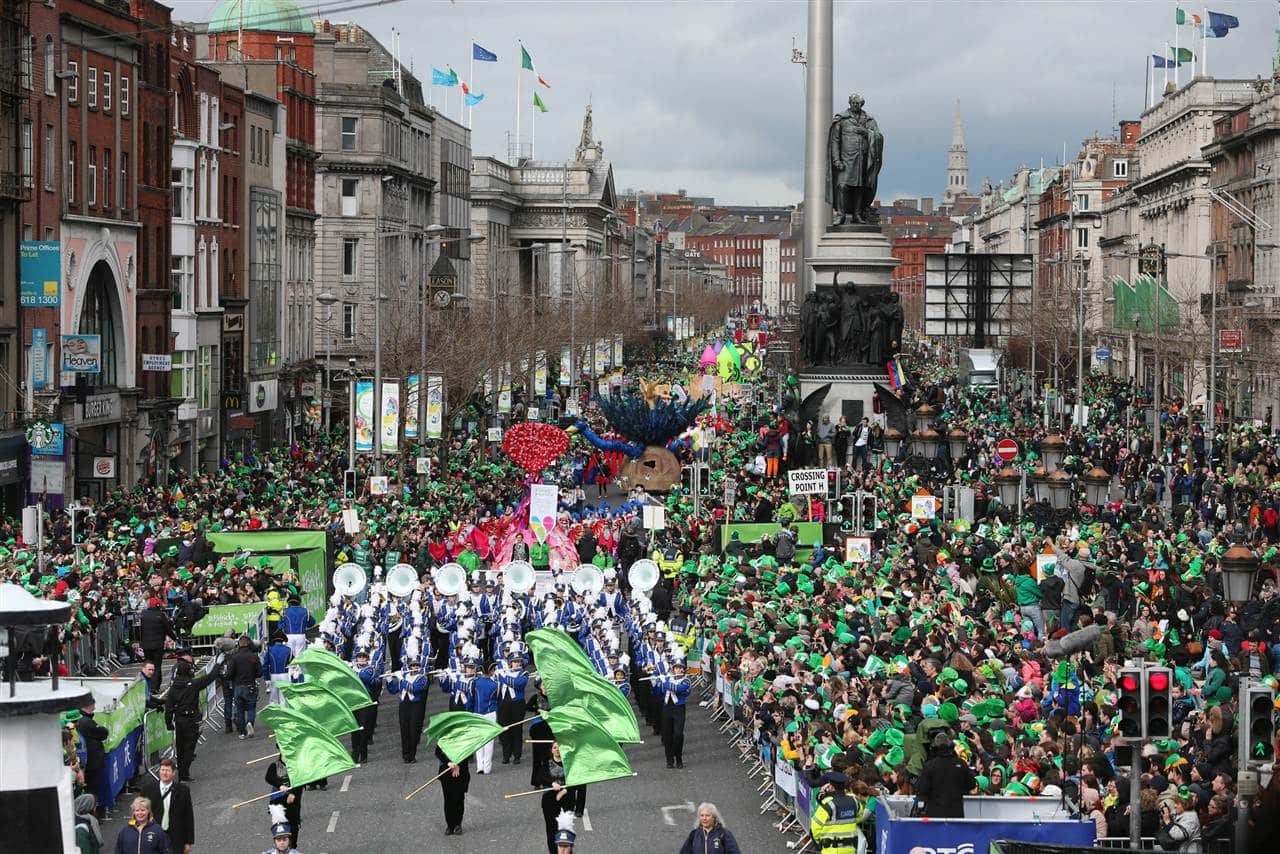
The grand national parade winds its way through the historic heart of Dublin, transforming major metropolitan thoroughfares into a moving canvas of color, sound, and theatrical pageantry. Floats designed by leading artists and community organizations tell stories of Irish heritage, myths, and contemporary achievements alongside international marching bands. Spectators line the multi-kilometer route hours in advance, creating an electric atmosphere of shared celebration and communal anticipation.
Viewing infrastructure is meticulously planned to maximize capacity and safety, featuring designated family zones, media enclosures, and accessible viewing platforms at strategic intersections. Giant outdoor LED screens are erected at key public squares so that crowds standing further back can follow every moment of the live broadcast. Professional parade hosts and audio towers broadcast commentary and musical accompaniment continuously along the entire length of the procession track.
- The official procession begins at Parnell Square on the north side of the city before moving south toward St. Stephen’s Green.
- O’Connell Bridge serves as a primary performance focal point where marching bands execute complex formations for television cameras.
- Custom-built grandstands line sections of the route, offering reserved seating and shelter for pre-booked ticket holders.
- Family-friendly viewing pockets equipped with extra sanitation facilities are designated along the quieter stretches of the quays.
- Giant media screens broadcast high-definition feeds of the performances to crowds gathered in major public plazas.
- Heavy-duty pedestrian guardrails line the entire pathway to ensure a safe distance between enthusiastic spectators and moving floats.
- Security checkpoints are strategically positioned at all entry corridors leading toward the primary parade viewing zone.
- Designated media zones accommodate international journalists, photographers, and documentary crews covering the national event.
- Lost child meeting points and safety information booths are clearly signed and staffed by trained civil defense volunteers.
- Immediate post-parade dispersal lanes are managed by event stewards to prevent bottlenecks and ensure smooth pedestrian flow.
City-Wide Transport and Traffic Management
Dublin operates an extensive, highly coordinated traffic management plan to handle the massive influx of visitors during the five-day festival window. Comprehensive road closures are implemented across the city center to create pedestrian-only zones, ensuring safe movement for hundreds of thousands of festival-goers. Public transport networks, including DART suburban trains, Luas tram lines, and Dublin Bus services, operate on enhanced schedules with increased frequencies.
Park-and-ride facilities located on the outer orbital motorways allow motorists to leave their vehicles outside the congested center and complete journeys via rapid transit links. Real-time traffic advisory boards and dynamic digital signage update drivers on road closures, parking availability, and recommended alternate bypass routes. Dedicated cycling corridors and expanded secure bicycle parking compounds encourage active travel for local commuters and visitors alike.
Taxi ranks and designated drop-off zones are relocated to the perimeter of the pedestrianized core to prevent gridlock on primary arterial roadways. Multilingual transit ambassadors and security stewards are stationed at major railway stations to guide passengers toward correct platforms and parade exits. Cross-agency coordination between local police, emergency services, and transport authorities ensures rapid response capabilities throughout the week.
- Comprehensive city center road closures create safe, expansive pedestrian zones for parade viewers and shoppers.
- DART and Luas public transit networks run extended hours and enhanced frequencies to manage peak crowd surges.
- Park-and-ride facilities situated near orbital motorways provide seamless connections into downtown rail terminals.
- Real-time traffic intelligence updates inform motorists of active diversions and bottleneck zones instantly.
- Expanded temporary bicycle parking racks encourage sustainable cycling transit across the metropolitan area.
- Relocated taxi ranks operate at designated peripheral hubs to maintain smooth traffic flow around street closures.
- Multilingual transit support staff assist international visitors with ticket purchases and route navigation at stations.
- Clear pedestrian diversion signage guides foot traffic efficiently between major event squares and transport links.
- Emergency vehicle corridor lanes remain strictly clear of public obstructions at all times across the city grid.
- Integrated travel cards bundle transit fares with museum entries for convenient multi-day journey planning.
Ticket Prices
- How Tickets Are Sold: Tickets are sold online through the official festival platform and authorized ticketing partners for select indoor events and hospitality stands.
- Admission Type: General admission for street spectacles, parades, and open-air public spaces, alongside ticketed seating for special indoor showcases.
- Ticket Pricing: Free Admission for the main outdoor street parade and general public events, with specialized indoor event tickets ranging from a minimum of $16 up to a maximum of $85.
- Special Seating Options: Grandstand seating blocks positioned along key stretches of the parade route provide elevated, guaranteed sightlines for ticket holders.
- VIP Options: Exclusive hospitality packages feature premium covered grandstands, gourmet catering, private cocktail bars, and dedicated hosting services.
Community and Environmental Sustainability Programs
The festival actively implements rigorous environmental sustainability measures aimed at minimizing its ecological footprint across all operations. Comprehensive waste management protocols enforce strict recycling and composting practices among all food vendors, corporate partners, and site cleanup crews. Single-use plastics are systematically phased out in favor of biodegradable servingware, reusable cups, and aluminum beverage containers.
Community engagement programs extend far beyond central Dublin, partnering with schools, youth clubs, and regional arts centers to co-create parade elements and cultural exhibitions. Environmental education initiatives hosted within public workshops teach participants about urban biodiversity, circular economy principles, and climate resilience. Carbon footprint auditing tracks energy consumption across stages, lighting systems, and transport fleets to identify ongoing reduction targets.
Sourcing policies prioritize local Irish suppliers, independent makers, and ethical businesses that demonstrate verified environmental and social governance standards. Volunteers participate in organized morning clean-up sweeps following major events to ensure public parks and historic streets are left pristine. Transparency reports published annually detail the festival’s environmental progress and outline future goals for ecological improvement.
- Comprehensive waste diversion systems ensure high percentages of festival refuse are successfully recycled or composted.
- Single-use plastic bans eliminate disposable cups and packaging across all authorized market stalls.
- Local school art projects integrate recycled materials into community-built props featured in the national parade.
- Carbon footprint tracking measures greenhouse gas outputs from power generation, transport, and production logistics.
- Energy-efficient LED lighting systems power evening outdoor spectacles to minimize electricity consumption.
- Educational eco-tents host interactive public discussions regarding sustainable urban living and climate action.
- Ethical vendor vetting evaluates labor practices, material sourcing, and waste policies before granting permits.
- Organized volunteer green teams conduct continuous litter collection sweeps across all main public event zones.
Tickets Sell Out
in Minutes
Maps
Contact
- Citywide locations including the city center streets and the National Museum of Ireland at Collins Barracks, Dublin, Ireland
- +353 1 604 0000
- info@stpatricksfestival.ie
- https://stpatricksfestival.ie/
- https://www.facebook.com/StPatricksFestivalIreland
- https://www.instagram.com/stpatricksfestival/
- https://x.com/stpatricksfest
Video
FAQ's
What happens if it rains during the outdoor parade events?
The outdoor events and the main street procession proceed as planned regardless of standard weather conditions, so all attendees are strongly encouraged to wear appropriate waterproof clothing and sturdy footwear.
Are the main festival street events suitable for young children and families?
The daytime street pageants, family workshops, and cultural zones are designed specifically to welcome guests of all generations, though parents should remain mindful that the parade route becomes exceptionally crowded.
Can I purchase grandstand tickets directly on the day of the parade?
Grandstand seating tickets must be purchased online through the official booking platform well ahead of time, as these specialized viewing structures sell out long before the festival weekend begins.
Is public transportation running on a normal schedule during the bank holiday?
Public transport providers operate on modified Sunday or bank holiday schedules during the main celebration days, and routes are frequently diverted to accommodate the street closures.
Are there dedicated viewing areas accessible for visitors with limited mobility?
The organizers arrange specific designated accessible viewing areas along the parade route for individuals with disabilities, which can be requested through the official website contact channels prior to the event.