The Fallas of Valencia 2027 – Valencia, Spain
Overview
The Fallas of Valencia stands as a globally renowned traditional celebration that completely transforms the coastal city of Valencia into a massive open-air museum and a vibrant festival ground. This unique cultural event is held annually to commemorate Saint Joseph, the patron saint of carpenters, tracing its origins back to ancient times when artisans burned old wood scraps to celebrate the arrival of spring. Over the centuries, this practice has evolved into an extraordinary display of artistic expression, satire, and complex pyrotechnics that has been officially designated as an Intangible Cultural Heritage of Humanity by UNESCO.
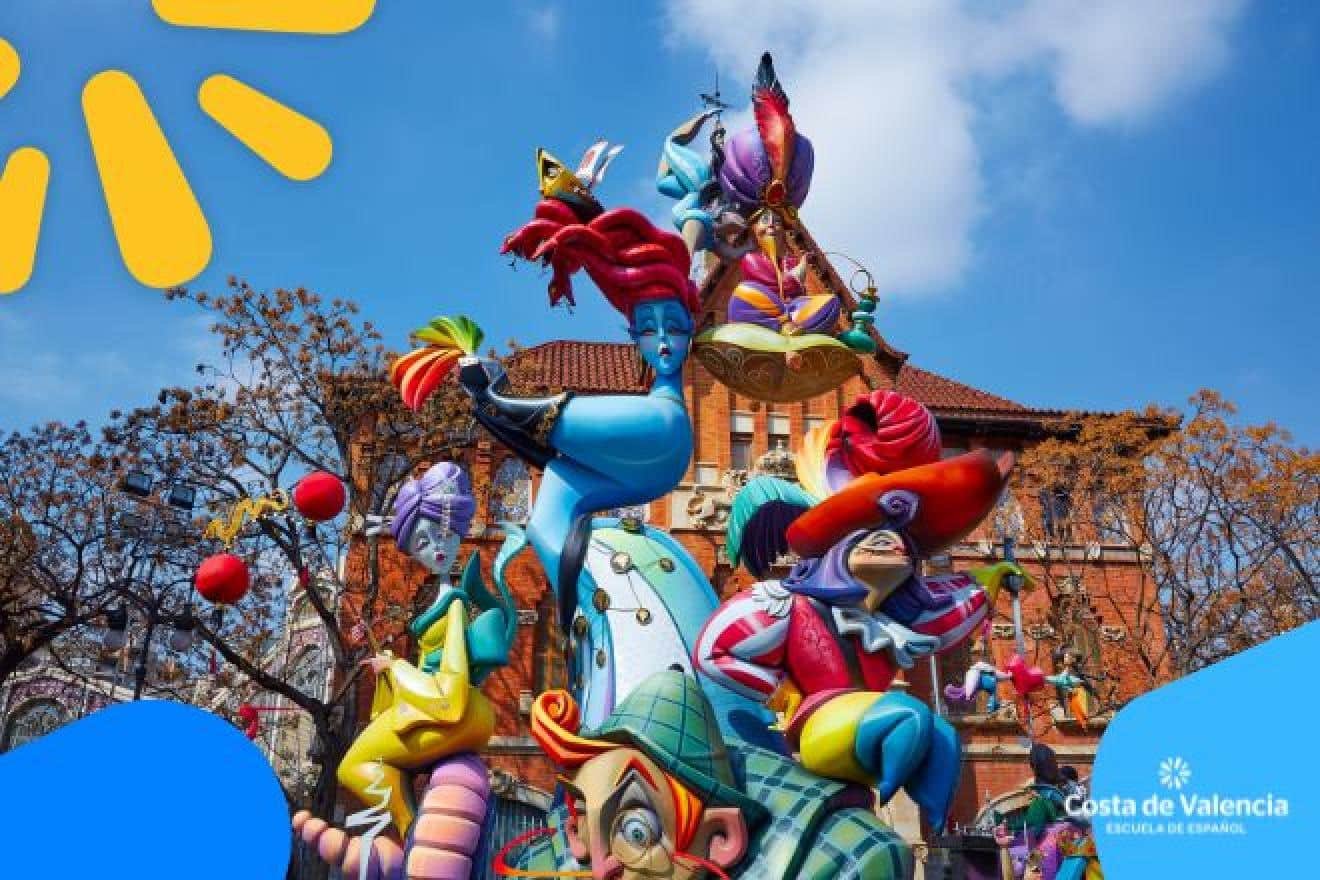
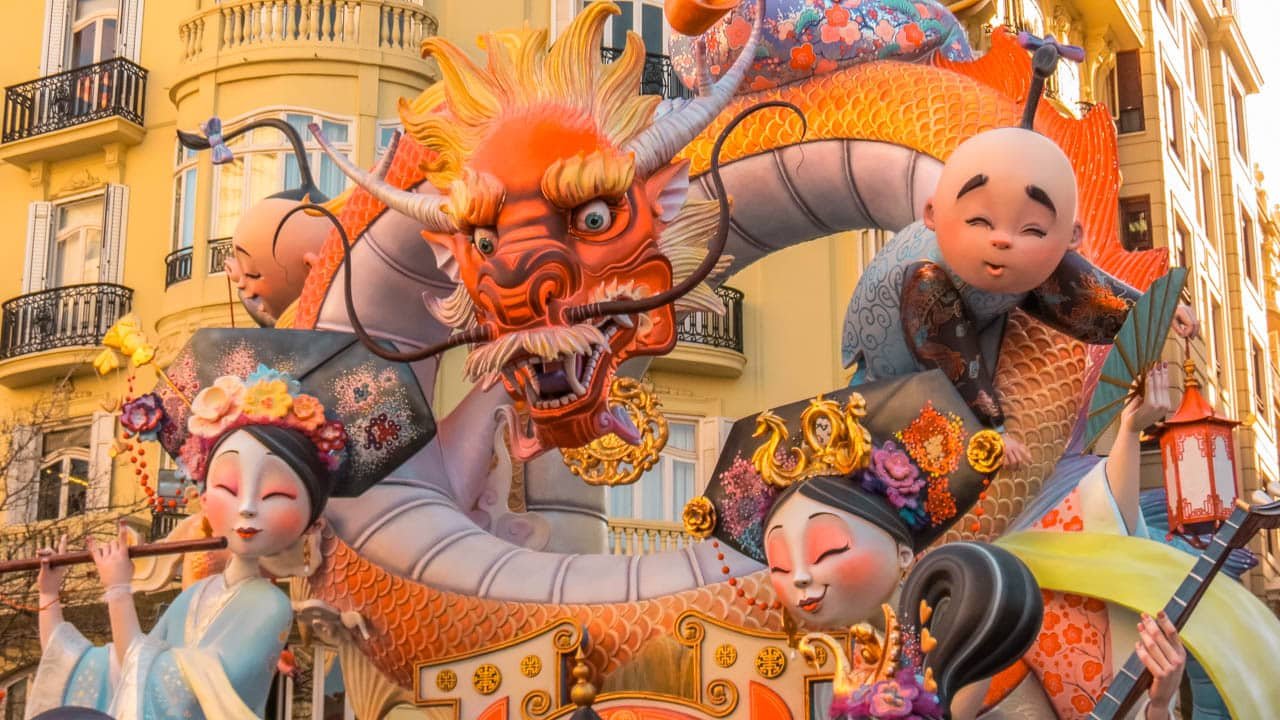
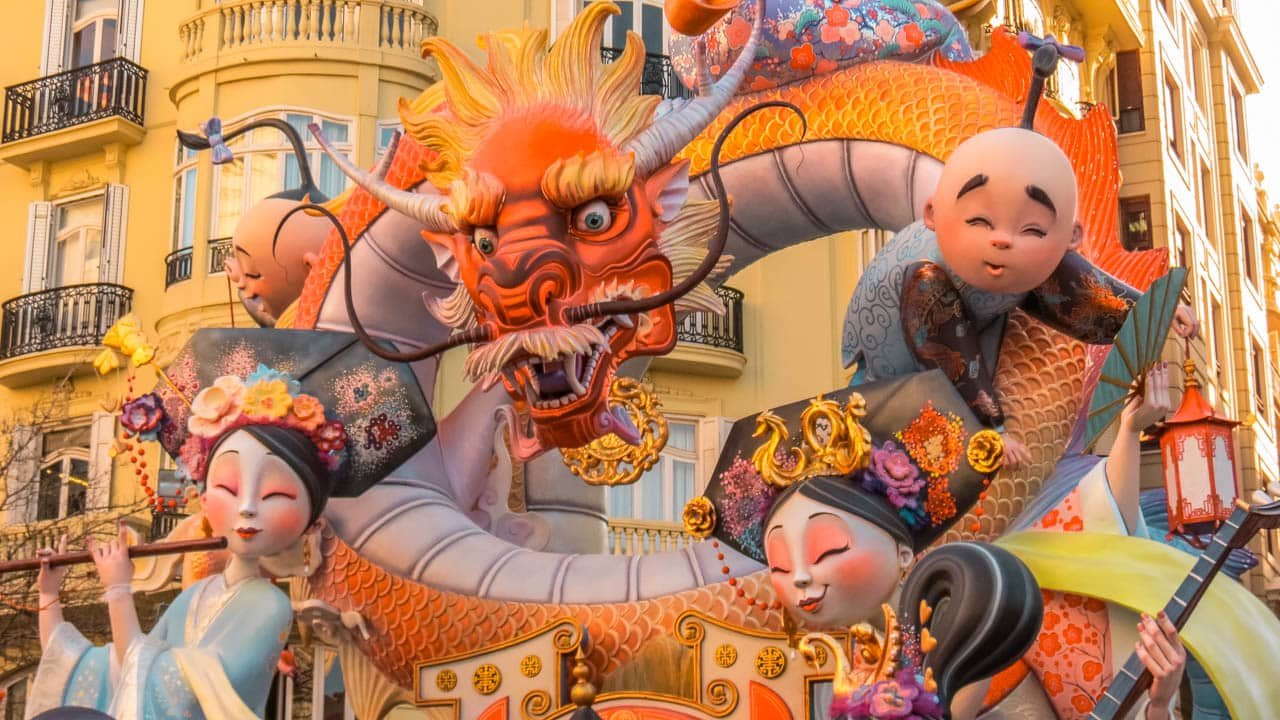
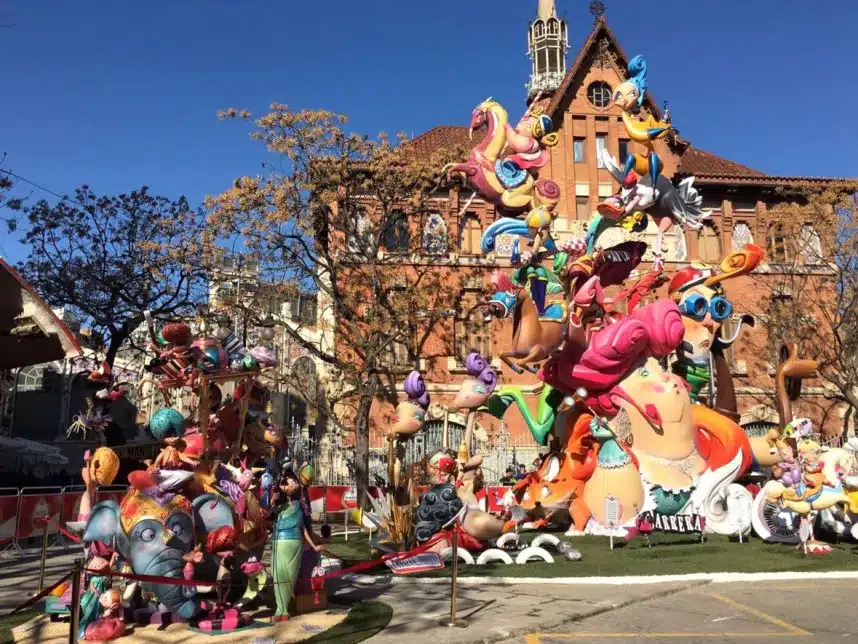
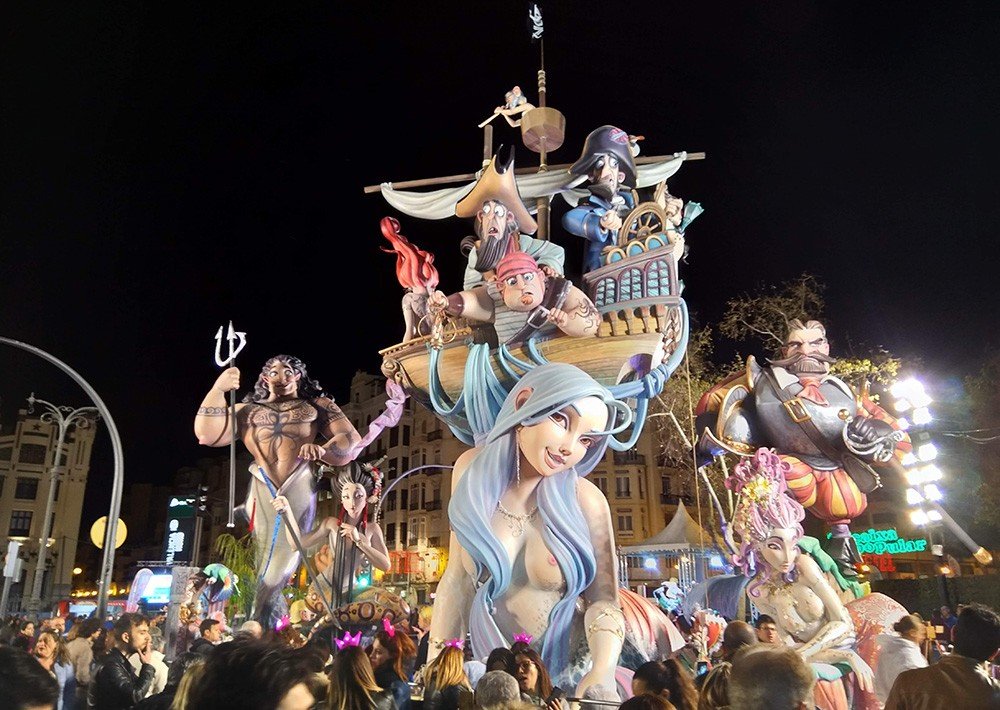
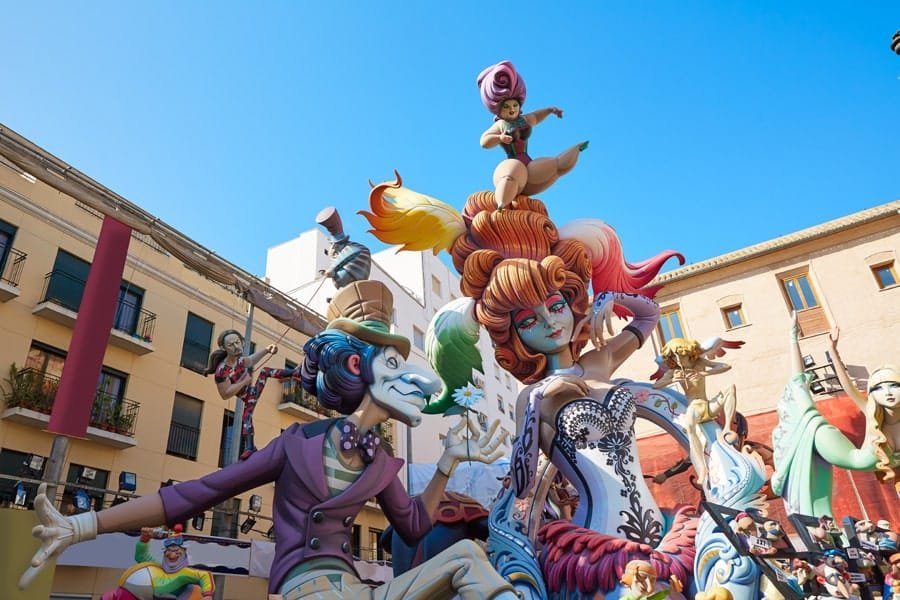
The main focal point of the festival is the installation of hundreds of monumental sculptures, known as fallas, which are erected in streets and squares throughout the city. Crafted out of papier-mâché, wood, and modern light materials by dedicated artists, these towering structures display satirical scenes that critique contemporary politics, social trends, and global events with sharp humor. Alongside these grand monuments are smaller, whimsical creations specifically designed for children, creating an immersive gallery experience that attracts millions of international tourists and locals who wander the urban streets to admire the temporary art before it is systematically destroyed.
The event encapsulates the fiery essence of Mediterranean spirit through a series of deeply rooted rituals that engage the senses through sound, light, and aroma. Throughout the multi-day celebration, the city streets are filled with traditional marching bands, locals wearing elaborate historical costumes, the delicious aroma of freshly cooked pumpkin fritters, and constant firecracker detonations. The collective energy builds continuously until the final night of the festival when the temporary art structures are ceremonially set ablaze, symbolizing purification, renewal, and the joyful welcoming of the spring season.
Enjoy Your Event Stress-Free with Euro Travelo
Planning a trip to attend a festival, concert, or business event in Europe can be overwhelming—tickets, travel, accommodation, and local logistics all take time and effort. Euro Travelo makes it simple by providing everything you need through one trusted company. You save time, avoid stress, and enjoy a seamless experience from start to finish.
Event Highlights
- Monumental Fallas Displays: Hundreds of creative sculptures and satirical monuments erected in public squares across the entire city layout.
- Daily Mascletà Performances: High-decibel pyrotechnic sound shows that shake the city square with rhythmic gunpowder explosions.
- Devotional Flower Offering: A massive two-day parade where thousands of dressed participants build a giant floral cape for the Virgin Mary statue.
- The Spectacular Cremà: The dramatic final ritual where all the street monuments are simultaneously consumed by controlled public bonfires.
Why Attend
This historic festival offers an unforgettable immersion into authentic Spanish culture, making it the perfect destination for passionate travelers, art enthusiasts, photography lovers, and families seeking a unique street celebration. Attendees gain access to a grand open-air art exhibition that fills an entire European city, presenting an artistic atmosphere that cannot be matched by standard indoor museum galleries.
The event provides a thrilling mix of visual grandeur and sensory stimulation that rewards visitors with lifelong memories. For those interested in cultural heritage, it offers a direct look into ancient neighborhood traditions, communal pride, and masterful craftsmanship, all while allowing general travelers to enjoy the warm climate, exceptional local rice gastronomy, and beautiful coastal architecture of Spain third-largest municipal center.
Date & Duration
- Event Date: From March 1 to 19, 2027
- Event Duration: The festival takes place over nineteen continuous days, with the most intense cultural activities, grand parades, and main monument installations concentrating during the final five days.
Visiting this event? Don’t miss out on these amazing activities and local experiences while you’re here.
Ticket Information
- How Tickets Are Sold: The vast majority of the public street displays, daily firecracker shows, and nightly bonfires are open to anyone roaming the city, while special viewing platform access can be reserved online through authorized tourist agencies.
- Admission Type: General admission to the city streets and squares is completely open to the public, though premium guided walking tours and historic museum entrances require separate individual passes.
- Ticket Pricing: Free Admission
- Special Seating Options: Private balcony access overlooking the central city square can be booked in advance to provide elevated panoramic views of the crowded daytime events.
- VIP Options: Premium hospitality packages provide access to historical building terraces, reserved front-row enclosures during the flower parade, private culinary tastings, and expert historical guides during the main burning ceremonies.
Venue / Location
- City and Country: Valencia, Spain
- Venue Name: Plaza del Ayuntamiento, Turia Garden, Plaza de la Virgen, and various urban neighborhoods
- Google Maps Address: Plaza del Ayuntamiento, 46002 Valencia, Spain
Worried about accommodation? Hotels near this event sell out quickly, and prices tend to rise fast. Check out these accommodation options:
Contact Information
- Email: info@visitvalencia.com
- Phone Number: +34 963 606 353
- Official Website: https://www.visitvalencia.com/en/events-valencia/festivities/the-fallas
Accommodation Options:
The destination offers a comprehensive matrix of lodging styles to suit varying traveler requirements, ranging from five-star luxury establishments situated near the historic core to modern beachfront apartments and budget-friendly guesthouses. Securing reservations many months in advance is absolutely critical for this specific period, as the arrival of more than a million global festival visitors drives urban occupancy levels to maximum capacity.
Staying within the old town center or near the central municipal plaza keeps visitors within easy walking distance of the principal parade paths and the daily firecracker display sites. Alternatively, selecting accommodations along the expansive park systems or near the modern arts complex provides a slightly quieter retreat away from the late-night street parties while maintaining excellent public transit connections.
Getting There
- Nearest Airport: Valencia Airport is located approximately 9 kilometers west of the central urban festival zone.
- Nearest Train/Metro Station: Valencia Nord Railway Station is situated in the heart of the city, immediately adjacent to the main town hall square.
- Bus Routes or Public Transport Options: The metropolitan transit grid operates extensive day and night bus lines alongside underground metro systems connecting all major neighborhoods.
- Parking Availability: Public underground parking garages are available throughout the municipal perimeter, though street parking inside the central ring is highly restricted due to festival road closures.
- Directions by Car: The urban center can be approached via the V-21 highway from the northern coast, the V-31 motorway from the south, or the A-3 highway connecting the city directly to Madrid.
What is this event?
This event is an ancient, massive cultural spring festival celebrated throughout the streets of a historic Spanish city. It functions as a grand communal gathering centered around artistic satire, elaborate neighborhood monuments, and traditional religious acts honoring Saint Joseph.
The celebration is famous for its intensive integration of public art installations, complex pyrotechnic displays, and neighborhood street parties. It culminates in a dramatic city-wide burning ritual that clears away the winter past to welcome the new season.
Why is it popular?
The event is popular because it delivers an unmatched visual spectacle where giant, million-dollar works of art are built for the sole purpose of being set on fire in front of huge crowds. It has captured global attention due to its UNESCO status, historical preservation, and the inclusive nature of the street festivities.
It also draws immense crowds because it masterfully combines thrilling sensory experiences like high-decibel firecracker shows with delicate devotional traditions. The festive atmosphere, late-night neighborhood illumination displays, and vibrant street life create an infectious energy that brings visitors back year after year.
Tips before you go
- Wear Comfortable Shoes: You will walk several miles daily across the historic neighborhoods, as huge portions of the urban center are entirely closed to motorized traffic.
- Protect Your Hearing: During the daily loud firecracker shows in the central plaza, it is advised to keep your mouth slightly open to help equalize pressure against the loud decibel levels.
- Book Balconies Early: If you wish to witness the main daytime pyrotechnic events without dealing with tight street crowds, look into reserving an elevated private balcony spot months ahead.
- Check the Burning Times: The children monuments begin burning early in the evening, while the larger structures go up in flames later at night, so plan your walking route to see multiple sites safely.
- Sample Local Delicacies: Make sure to try the traditional pumpkin fritters served with hot chocolate from the numerous authentic street stalls set up across the neighborhoods.
Attendee Experiences
- Standing in the square during the mid-afternoon firecracker show was an absolute rush of sound and energy that shook my entire body.
- The level of detail on the giant satirical sculptures was mind-blowing and it felt almost sad to see them go up in flames on the final night.
- Walking through the plaza after the two days of flower offerings was an incredible experience because the entire square smelled like fresh roses.
Tickets Sell Out
in Minutes
Maps
Contact
- Plaza del Ayuntamiento, Turia Garden, Plaza de la Virgen, and various urban neighborhoods, Valencia, Spain
- +34 963 606 353
- info@visitvalencia.com
- https://www.visitvalencia.com/en/events-valencia/festivities/the-fallas
- https://www.facebook.com/visitvalenciaSpain/
- https://www.instagram.com/visit_valencia/
- https://x.com/ValenciaCity
Video
FAQ's
What are the mascletàs and when do they take place?
These are unique pyrotechnic spectacles focused on the rhythmic sound, vibration, and cadence of gunpowder explosions rather than visual colors. They are held daily from March 1 to 19 at 2:00 p.m. in the central City Hall Square, drawing massive crowds who gather to feel the ground shake.
Where can I view the main evening firework displays during the festival?
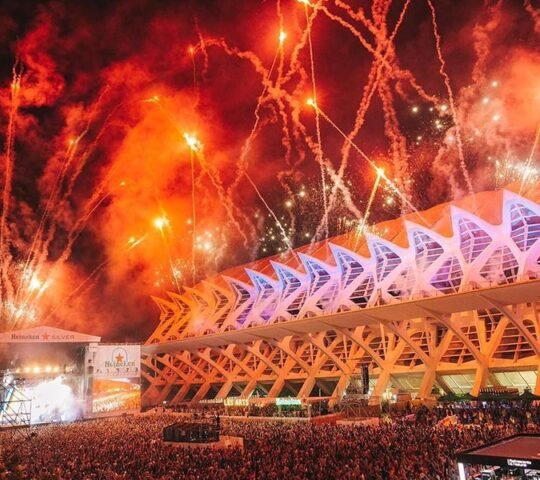
The grand nightly firework displays are held from March 15 to 18 every night in the Turia Garden area near the Alameda. These displays feature stunning visual colors and complex aerial designs crafted by master pyrotechnicians, culminating in the famous Night of Fire ceremony.
What happens during the flower offering event?
On March 17 and 18, thousands of locals dressed in traditional regional costumes parade through the streets toward the Plaza de la Virgen. They carry bunches of carnations to hand over to artists who systematically insert the flowers into a giant wooden structure, creating a massive tapestry cape for the Virgin statue.
What is the schedule for the final burning of the monuments?
La Cremà takes place on the final night of March 19 to bring the festival to its official close. The smaller children fallas are set on fire first at 8:00 p.m., followed by the burning of the main large neighborhood fallas across the city starting at 10:00 p.m.
Do I need to buy tickets to see the street monuments?
No, the vast majority of the monuments are completely free to view as they are set up directly in the public streets, intersections, and neighborhood squares. Anyone can walk around the city freely to enjoy the art, photograph the structures, and witness the public burning ceremonies without paying any admission fee.