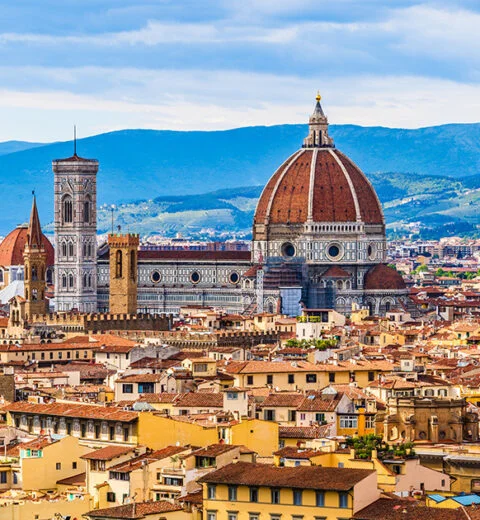

The Olympic and Paralympic Winter Games are returning to Italy, promising a celebration of sport, sustainability, and Italian culture. For the first time, the Games will be hosted by two major cities and several mountain clusters, spanning over 22,000 square kilometers across Northern Italy. This “territorial” edition of the Games moves away from the traditional single-city host model, bridging the gap between cosmopolitan innovation in Milan and the breathtaking UNESCO World Heritage beauty of the Dolomites.
This unique “Dual Soul” approach allows spectators to experience the glamour of Italy’s fashion capital and the ancient mountain traditions of Cortina d’Ampezzo. As the first-ever widespread Games, Milano Cortina 2026 utilizes 92% existing or temporary infrastructure to minimize environmental impact while maximizing the historic charm of the Italian Alps. Whether you are a fan of high-speed ice sports or technical alpine skiing, this guide provides the essential details to help you navigate the XXV Olympic Winter Games.
What makes the Milano Cortina 2026 truly special?
Milano Cortina 2026 stands out as a groundbreaking “territorial” edition of the Winter Games, moving away from the traditional single-city host model to embrace an entire region. By spanning over 22,000 square kilometers across the Italian Alps and the urban heart of Milan, the Games bridge the gap between cosmopolitan innovation and ancient mountain tradition.
Enjoy Your Event Stress-Free with Euro Travelo
Planning a trip to attend a festival, concert, or business event in Europe can be overwhelming—tickets, travel, accommodation, and local logistics all take time and effort. Euro Travelo makes it simple by providing everything you need through one trusted company. You save time, avoid stress, and enjoy a seamless experience from start to finish.
This “Dual Soul” approach allows spectators to experience the glamour of Italy’s fashion capital one day and the breathtaking UNESCO World Heritage beauty of the Dolomites the next. It is the first time in Olympic history that two cities have been officially co-named as hosts, creating a multi-hub experience that celebrates the diverse cultural and geographical identity of Northern Italy.
Key Event Dates
- Opening Ceremony (Olympic): February 6, 2026 — Held at the San Siro Stadium, Milan.
- Olympic Winter Games Duration: February 6 – February 22, 2026.
- Preliminary Competitions: Start on February 4, 2026 (including sports like Curling).
- Closing Ceremony (Olympic): February 22, 2026 — Held at the Verona Arena.
- Opening Ceremony (Paralympic): March 6, 2026 — Held at the Verona Arena.
- Paralympic Winter Games Duration: March 6 – March 15, 2026.
- Closing Ceremony (Paralympic): March 15, 2026 — Held at the Cortina Olympic Ice Stadium.
Visiting this event? Don’t miss out on these amazing activities and local experiences while you’re here.
Detailed Venue Guide
- Milan Cluster: The urban heart for ice sports, featuring the Milano Santagiulia Ice Hockey Arena (Men’s Hockey), Rho Fiera Milano (Speed Skating), and Milano Ice Park (Figure Skating & Short Track).
- Cortina d’Ampezzo Cluster: The mountain hub hosting Women’s Alpine Skiing on the Olympia delle Tofane, Curling at the Olympic Ice Stadium, and Bobsleigh, Skeleton, and Luge at the Cortina Sliding Centre.
- Valtellina Cluster: Home to the legendary Stelvio course in Bormio for Men’s Alpine Skiing and the debut of Ski Mountaineering, while Livigno hosts Snowboard and Freestyle Skiing.
- Val di Fiemme Cluster: The world capital of Nordic sports, hosting Ski Jumping in Predazzo and Cross-Country Skiing and Nordic Combined in Tesero.
- Antholz (Anterselva) Cluster: The world-renowned Südtirol Arena will be the stage for all Biathlon competitions.
- Verona Arena: A Roman amphitheater serving as the spectacular outdoor venue for the Olympic Closing Ceremony and the Paralympic Opening Ceremony.
Milano Cortina 2026 Ticket Pricing Guide
Based on the official exchange rates for January 2026, here is the price breakdown in US Dollars. Please note that approximately 20% of all tickets are available for under $47, and more than half of all tickets are priced below $118.
| Event / Discipline | Minimum Price (USD) | Maximum Price (USD) |
| Opening Ceremony (San Siro Stadium) | $307 | $2,390 |
| Closing Ceremony (Verona Arena) | $1,121 | $3,422 |
| Figure Skating (Gala Exhibition) | $472 | $1,420 |
| Figure Skating (Competitive Sessions) | $330 | $885 |
| Ice Hockey (Men’s Gold Medal Final) | $530 | $1,650 |
| Ice Hockey (Men’s Preliminaries) | $35 | $225 |
| Ice Hockey (Women’s Finals) | $177 | $565 |
| Alpine Skiing (Race Sessions) | $118 | $260 |
| Biathlon | $59 | $236 |
| Short Track Speed Skating | $177 | $530 |
| Speed Skating (Long Track) | $212 | $330 |
| Curling | $47 | $177 |
| Snowboard / Freestyle Skiing | $60 | $520 |
| Ski Jumping | $112 | $270 |
| Bobsleigh / Skeleton / Luge | $59 | $620 |
| Ski Mountaineering (New Event) | $41 | $47 |
| Nordic Combined | $30 | $142 |
Contact us today for expert assistance and seamless booking to guarantee your tickets for the ultimate Milano Cortina 2026 experience!
Accommodation
With events spread across Northern Italy, choosing a strategic base is essential. Here are the top areas to consider for each Olympic cluster:
- Milan: Best for the Opening Ceremony and ice sports. Stay near San Siro or City Life for easy venue access via the M1/M5 Metro lines.
- Cortina d’Ampezzo: Ideal for Alpine skiing and curling. If the center is full, look for mountain hotels in Passo Tre Croci or Misurina.
- Verona: A strategic mid-point with high-speed rail links; perfect for attending the Closing Ceremony at the Arena.
- Valtellina (Bormio & Livigno): Best for snowboarding and Men’s skiing. Look for traditional chalets and thermal spa resorts in Bormio.
- Val di Fiemme: A family-friendly Nordic hub. Focus on lodges and B&Bs in Cavalese or Predazzo.
- Antholz/Anterselva: Limited valley lodging; most biathlon fans stay in Brunico and use the official shuttles.
- Budget Options: Use large hostels like HI Ostello Milano in the city, or authentic high-altitude “Rifugi” (mountain huts) in the Alps.
“Ready to secure your stay? Contact Euro Travelo for our Complete Milano Cortina 2026 Concierge to handle your hotel bookings and luxury transfers!”
Tips for Milano Cortina 2026
- Avoid Driving: Use high-speed trains and official shuttles, as many areas have strict Limited Traffic Zones (ZTL).
- Book Early: Secure hotels and transport now; prices in Milan and Cortina are expected to triple during the Games.
- Dress in Layers: Milan is often mild (around 5°C/41°F), while mountain venues are significantly colder and windier.
- Stay Connected: Purchase an Italian eSIM and carry a power bank, as cold weather drains phone batteries quickly.
- Digital Prep: Download the official Olympic app for your digital tickets and real-time transit updates.
- Arrive Early: Reach venues at least 3 hours before events to clear security and enjoy the pre-shows.
- Validate Paperwork: Ensure your passport is valid for at least 3 months after your stay and check visa requirements.
Final Verdict
The Milano Cortina 2026 Games offer a unique but logistically spread-out experience, blending Milan’s urban energy with the breathtaking beauty of the Dolomites. While the use of iconic, pre-existing venues ensures an authentic Italian atmosphere, the 400 km distance between clusters means spectators must choose a specific base rather than commuting daily. It is a world-class event best enjoyed by those who plan early, prioritize public transit over driving, and prepare for high costs in the mountain regions.
“Ready to experience the magic? Contact Euro Travelo today to secure your official Milano Cortina 2026 tickets and luxury stay!”
Ready to Discover Milan’s Top Attractions?
Explore the sophisticated charm of Italy’s global powerhouse, from the breathtaking rooftop of the Duomo di Milano to the world-renowned masterpieces inside the Santa Maria delle Grazie. Whether you are strolling through the glass-domed Galleria Vittorio Emanuele II for world-class shopping or exploring the historic halls of the Sforza Castle, Milan offers a seamless blend of Renaissance history and cutting-edge modern design.
Best Attractions in Milan and find your next favorite spot.
FAQs
1. How do I travel between the Milan and Cortina clusters?
Traveling between the city and the mountains requires planning, as they are approximately 250 miles (400 km) apart. The most efficient way is via Italy’s high-speed rail (Frecciarossa) from Milan to Venice or Verona, followed by dedicated Olympic Shuttle Buses to the mountain venues. During the Games, special transport passes will be available for ticket holders to streamline travel across the Lombardy and Veneto regions.
2. Where and how can I purchase official tickets?
Tickets are sold exclusively through the Official Milano Cortina 2026 Ticketing Portal. To ensure fairness, a draw system was used for early phases, but remaining tickets are now available on a first-come, first-served basis. All tickets are 100% digital and managed via the official app; avoid third-party sellers to prevent fraud.
3. What new sports are making their debut in 2026?
Milano Cortina 2026 will feature the historic debut of Ski Mountaineering (Skimo), an endurance sport involving climbing and downhill racing on skis. Additionally, fans can look forward to new events within existing disciplines, including Women’s Large Hill Ski Jumping, Skeleton Mixed Relay, and Dual Moguls in Freestyle Skiing.
4. Can I attend both the Opening and Closing Ceremonies?
Yes, but they are in different cities! The Opening Ceremony takes place on February 6 at the San Siro Stadium in Milan, while the Closing Ceremony will be held on February 22 at the Verona Arena. This outdoor Roman amphitheater will provide a unique, historic backdrop for the handover to the 2030 host city.
5. What is the “New Norm” sustainability initiative?
Milano Cortina 2026 is the first Games designed under the International Olympic Committee’s “New Norm.” This means instead of building massive new structures, 92% of the venues are existing or temporary. This initiative aims to reduce the carbon footprint and ensure that no “white elephant” stadiums are left behind, focusing on a long-term legacy for the local communities.