
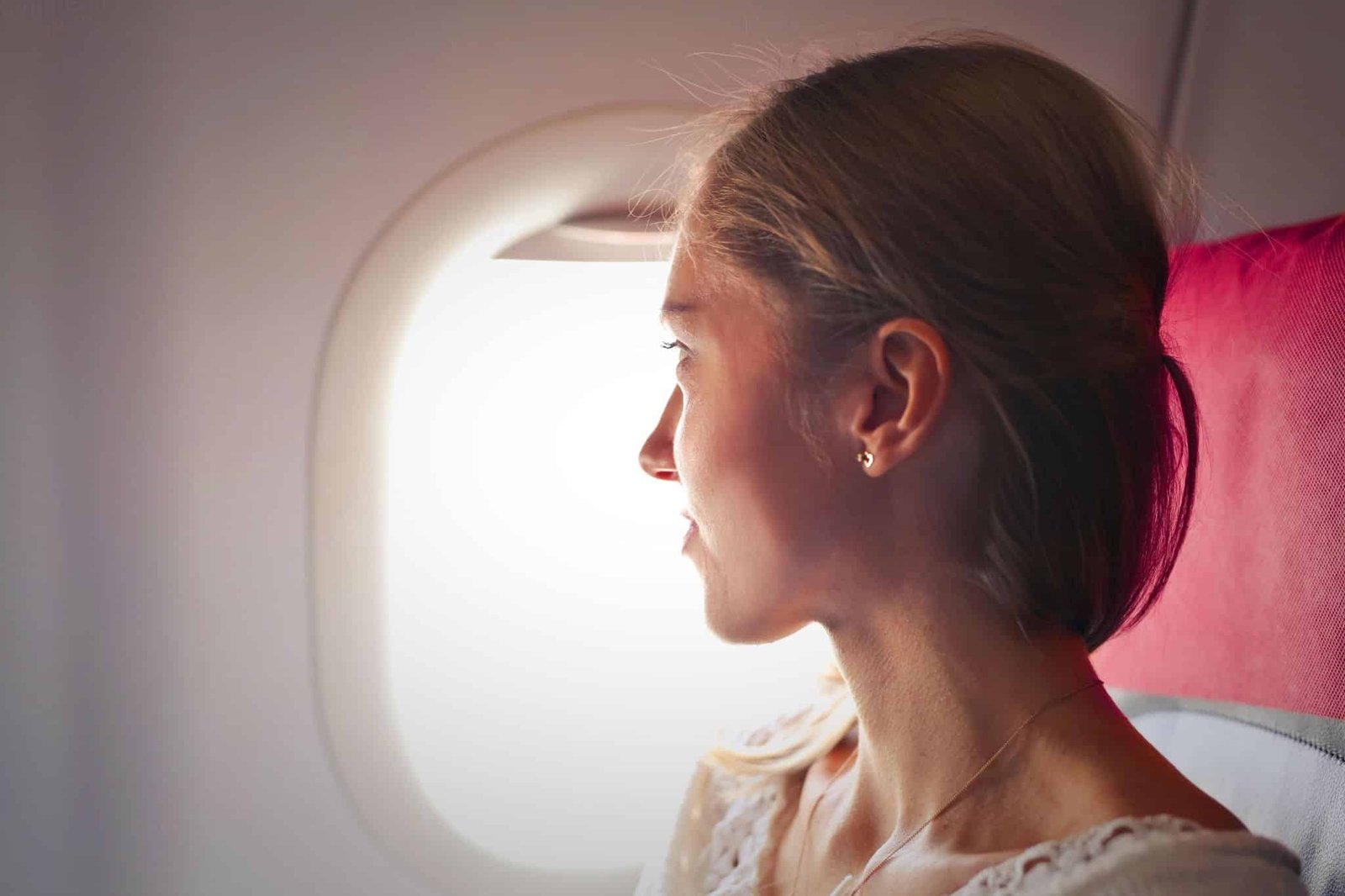
Weekend breaks in Barcelona, Monday meetings in Munich, and Thursday tapas in Lisbon sound thrilling until you’re elbow-deep in your suitcase hunting for clean socks.
If you bounce between destinations more than you sit still, you already know the drill. The freedom of city hopping comes with one nagging reality: living out of a bag that somehow never stays organized for more than twelve hours.
The chaos isn’t just annoying. It wastes time, creates stress, and turns every hotel checkout into a scavenger hunt for chargers, toiletries, and that one shirt you swear you packed. The solution isn’t packing less or buying a bigger bag. It’s about rethinking how you organize what travels with you and adapting systems built for people who actually move between cities instead of spending two weeks in one resort.
Enjoy Your Event Stress-Free with Euro Travelo
Planning a trip to attend a festival, concert, or business event in Europe can be overwhelming—tickets, travel, accommodation, and local logistics all take time and effort. Euro Travelo makes it simple by providing everything you need through one trusted company. You save time, avoid stress, and enjoy a seamless experience from start to finish.
Why Cabin Baggage Rules Shape Your Entire Trip
Airport security limits each passenger to containers of 3.4 ounces and one quart-sized bag of liquids, which means your skincare, cologne, and contact solution all compete for the same cramped plastic pouch.
Europe enforces a 100 ml maximum for carry-on liquids, though some airports with advanced scanners now allow larger containers.
These restrictions force a trade-off. You either check a bag and lose thirty minutes at every arrival, or you miniaturize everything and risk running out mid-trip. Most frequent travelers choose the carry-on and solve the liquid problem with travel-sized duplicates, refillable bottles, or solid alternatives like bar shampoo. The smarter move is building a dedicated toiletry kit that lives in your bag full-time, pre-loaded and security-ready, so you’re not reassembling it from scratch before every departure.
The One Category Most Travelers Ignore Until It’s Too Late
Airplane cabins hover around 20 percent humidity and often drop as low as 10 percent, which is drier than most deserts.
About half the air circulating in the cabin is pulled from outside at high altitudes where air is almost completely devoid of moisture. That environment strips hydration from your skin faster than you’d expect.
Professional travelers and cabin crew are hyper-aware of this, but leisure city hoppers often overlook it until they land looking noticeably tired. Compact moisturizers, lip balm, and hydrating mists become non-negotiable when you’re flying multiple times per week. Many experienced nomads carry a travel skincare set with TSA-compliant bottles to maintain their routine across time zones. These curated kits typically include cleansers, toners, and hydrating creams in sizes designed specifically for frequent fliers. Pairing hydration products with consistent water intake during flights helps offset the cabin environment’s toll on your complexion.
Studies show that relative humidity inside aircraft cabins drops below 10% within two hours after takeoff and stays there throughout the flight, causing rapid decreases in skin hydration and discomfort experienced by long-distance travelers.
Packing Cubes Aren’t Just Hype
If you haven’t tried packing cubes, you’re organizing the hard way. These zippered fabric containers act like drawers inside your bag, separating clothes by type or day so you’re not excavating through everything to find one item. The real advantage shows up after day three of a trip when most bags devolve into chaos.
Travelers describe packing cubes as little Tetris blocks for your suitcase or backpack where you pack clothes into the cubes first then slot them neatly into your luggage. Compression versions let you squeeze out excess air, gaining extra space for souvenirs or an extra layer. The system works whether you roll or fold your clothes, and it keeps clean items separated from worn ones.
For city hoppers moving between hotels every few nights, cubes turn unpacking into a ten-second task. Pull out the cube, set it in a drawer, done. No need to scatter clothes across the room or live out of the suitcase itself. When it’s time to leave, everything’s already contained and ready to zip up. That alone justifies the investment, especially when you’re navigating tight hotel timelines across multiple European cities in a single week.
The Hidden Gear That Separates Casual Travelers From Road Warriors
Beyond cubes and miniature bottles, a few specific items make the difference between surviving travel and actually enjoying it. Frequent fliers quietly rely on gear that solves recurring problems, and most of it fits in a carry-on without adding noticeable weight.
A portable charger with multiple ports keeps your phone, tablet, and noise-canceling headphones alive during long transit days. Research from NASA indicates that low cabin pressure forces faster breathing, increasing respiratory water loss by 25% at cruising altitude. Reusable water bottles that collapse when empty pass through security and let you refill after the checkpoint, dodging overpriced airport kiosks.
Lightweight microfiber towels dry in hours instead of overnight, which matters when you’re checking out of hostels or boutique hotels before laundry finishes. According to the World Health Organization, humans feel most comfortable between 40-60% relative humidity, yet airplane cabins deliver barely one-quarter of that minimum. A compact eye mask and earplugs block out noise and light in shared accommodations or on red-eye flights. These aren’t luxuries. They’re the basics that let you function across back-to-back destinations without burning out by midweek.
Cable organizers keep chargers from tangling into a mess at the bottom of your bag. Small mesh pouches corral loose items like jewelry, adapters, and SIM cards so they don’t vanish into jacket pockets. The key is consistency. If your headphones always go in the same pouch and your power bank always lives in the same pocket, you stop wasting mental energy hunting for them.
What Actually Happens When You Skip the System
Most travelers pack reactively. They throw items in a bag the night before, realize they forgot something at the airport, and spend the first two days of their trip compensating for poor planning. That approach works for annual vacations. It collapses under the repetition of frequent city hopping.
Without a system, you’ll repack from scratch every time, reassess what you need for each destination, and inevitably leave behind something crucial like a phone charger or prescription medication. You’ll also accumulate unnecessary duplicates because you can’t remember what’s already in the bag versus what’s still at home.
The alternative is treating your carry-on like a permanent travel kit. Build it once with intention, then maintain it between trips instead of dismantling it. Keep toiletries pre-loaded, tech accessories organized, and a core wardrobe of mix-and-match basics that work across climates. When a trip ends, restock what you used, toss what you didn’t touch, and leave the bag ready for the next departure. That shift from reactive packing to proactive maintenance saves hours and eliminates the low-level stress that drains energy before you even board the plane.
What Works for City Hoppers Who Actually Live This Way
The people who move between cities every few days don’t pack like tourists preparing for a single destination. They pack like people managing a mobile office and wardrobe that needs to function in five countries over two weeks. That mindset shift changes everything.
Successful road warriors prioritize versatility over quantity. They choose clothing items that layer well, dry quickly, and work in multiple contexts. A single merino wool shirt can be worn three days in a row without smelling, washed in a hotel sink, and dried overnight. Dark jeans pair with sneakers for daytime exploration and dressier shoes for evening plans. A lightweight jacket transitions between chilly morning flights and breezy outdoor cafes.
They also embrace selective minimalism. Instead of packing for every possible scenario, they bring just enough to cover expected situations and accept that they’ll occasionally need to buy something locally. That’s not a failure. It’s a realistic acknowledgment that overpacking creates more problems than underpacking ever will.
Finally, they build routines around consistent systems.
Their bag is always organized the same way. Their charging cables always go in the same pouch.
Their toiletries always sit in the same pocket.
These habits eliminate decision fatigue and let them move through airports, train stations, and hotel lobbies on autopilot while everyone else fumbles through disorganized bags looking for boarding passes.