While ocean cruises capture the headlines and dominate travel brochures, a quieter transformation is reshaping how Americans and international travelers experience Europe.
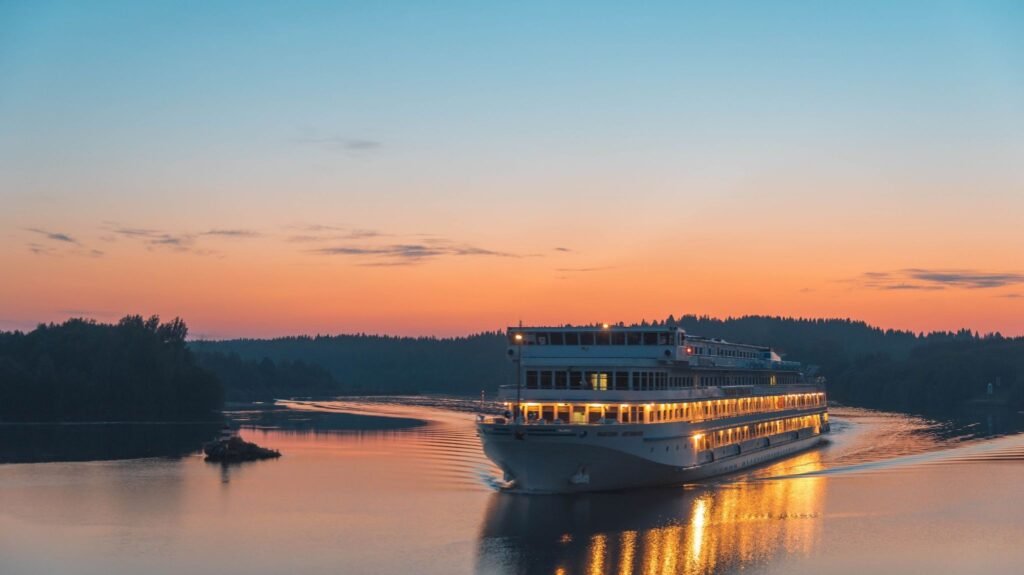
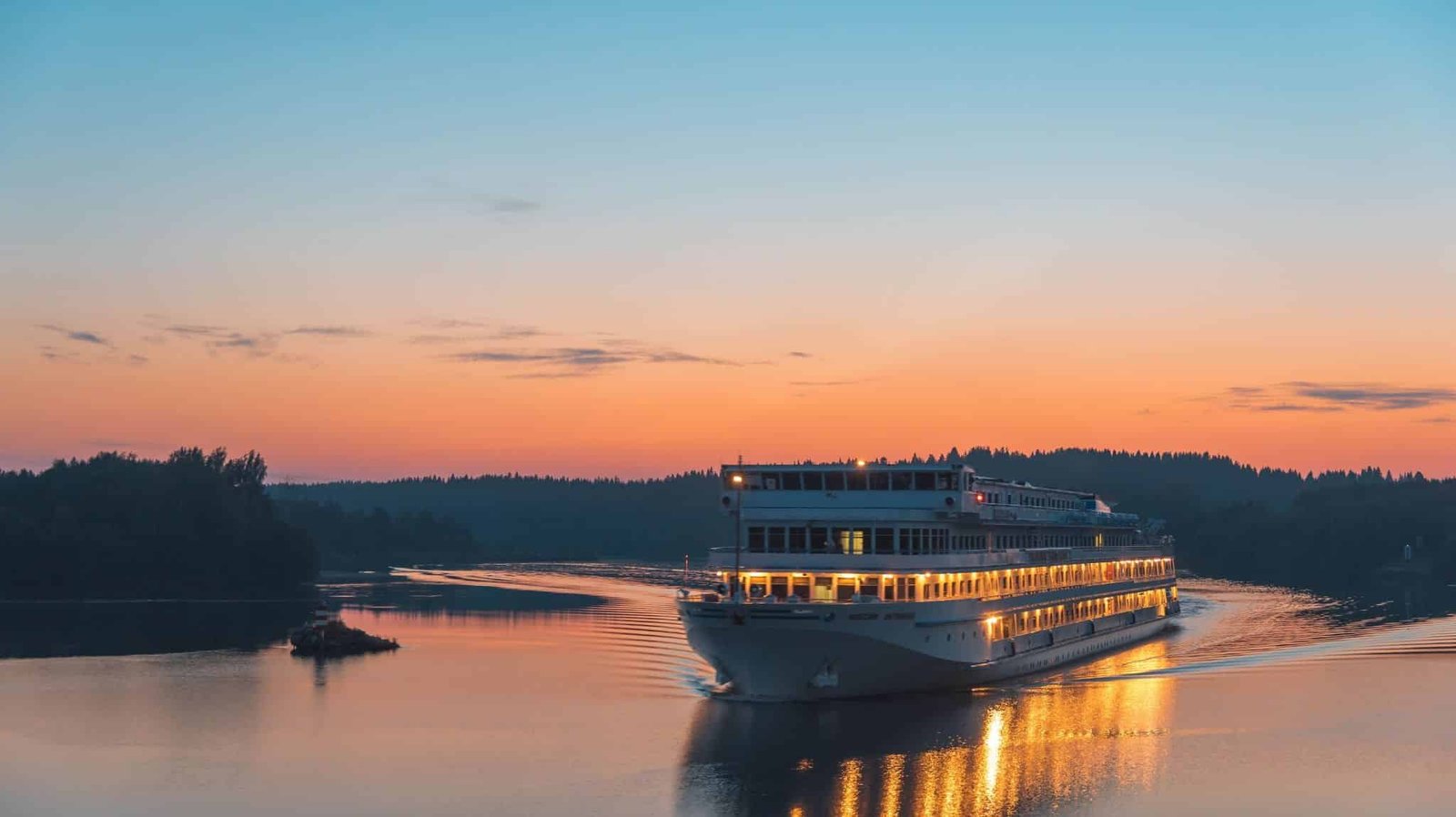
River cruising has evolved from a niche market into one of the continent’s fastest-growing tourism segments, offering intimate access to historic cities and landscapes that larger vessels simply cannot reach.
European river cruise passenger numbers grew by eight percent in 2024 to reach 1.49 million travelers, with revenues increasing five percent to 3.728 billion euros, according to recent industry research. Yet despite these impressive figures, river cruising maintains a low-key reputation, appealing to travelers who prefer cultural immersion over crowded port cities.
Enjoy Your Event Stress-Free with Euro Travelo
Planning a trip to attend a festival, concert, or business event in Europe can be overwhelming—tickets, travel, accommodation, and local logistics all take time and effort. Euro Travelo makes it simple by providing everything you need through one trusted company. You save time, avoid stress, and enjoy a seamless experience from start to finish.
The appeal lies in the experience itself. Unlike ocean cruises that dock at busy terminals miles from city centers, river vessels navigate directly into the heart of European destinations.
Passengers wake up steps away from Vienna’s imperial palaces, Budapest’s thermal baths, or the vineyard-covered slopes of Germany’s Rhine Valley. This accessibility transforms the journey into something more personal and connected to place.
The Growth Behind the Tranquility
The numbers tell a compelling story about river cruising’s expansion.
River Cruises is the most lucrative type segment registering the fastest growth during the forecast period, with industry analysts predicting continued momentum through the end of the decade.
What’s driving this surge?
The river cruise market is experiencing robust growth driven by rising disposable incomes, growing interest in experiential travel, and expanding cruise infrastructure across scenic waterways worldwide. Travelers increasingly seek meaningful encounters with culture rather than simply checking landmarks off a list. River cruising delivers exactly that combination of comfort and authenticity.
Close to 60 vessels are due to be delivered along Europe’s rivers until the early 2030s, with the vast majority of 33 ships destined for the Rhine/Main/Danube system. This fleet expansion signals operator confidence in sustained demand, though it also raises questions about capacity limits on some of Europe’s most popular waterways.
Why Modern Travelers Choose Rivers Over Oceans
Traditional cruise lines are taking notice.
Celebrity Cruises, which has announced plans to enter the river cruise market. There first couple of sailings sold out in just shy of 12 minutes, demonstrating remarkable pent-up demand for this style of travel. The Europe cruise market now attracts legacy brands that previously focused exclusively on ocean itineraries, bringing fresh competition and innovation to river operators.
Several factors explain river cruising’s appeal beyond simple novelty. Vessels typically carry between 100 and 190 passengers, creating an atmosphere that feels more like a floating boutique hotel than a massive resort.
Europe’s inland waterways support 85% of global river cruise itineraries, offering unmatched access to the continent’s cultural treasures through destinations spanning multiple countries along historic trade routes.
The pace differs dramatically from ocean cruising. River itineraries emphasize longer port stays and overnight docking, allowing travelers to experience evening concerts, sunset strolls through medieval quarters, or late dinners at local restaurants. This slower rhythm appeals particularly to travelers seeking depth over breadth.
Environmental considerations also matter to today’s conscious travelers. River cruise sustainability initiatives have become industry priorities, with
78 percent of the 211 vessels surveyed could run on biofuels and 58 percent on synthetic fuels. Operators increasingly invest in shore power connections, waste reduction systems, and hybrid propulsion technologies to minimize environmental impact.
Challenges Beneath the Surface
Growth brings complications.
European river cruising has evolved from a niche travel style into one of the fastest-growing segments in the industry. Once marketed as a quiet, culturally immersive alternative to ocean cruising, it is now firmly in the mainstream.
Popular destinations now contend with multiple ships docking simultaneously during peak season, creating congestion in compact historic centers. Cities like Amsterdam have responded by relocating cruise terminals and implementing visitor management strategies. The balance between economic benefits and quality of life for residents remains delicate.
Infrastructure limitations present ongoing concerns. Lock systems and waterway maintenance require continuous investment to accommodate increased traffic.
Key challenges include a lack of shore power connections, moorings in need of renovation, insufficient berthing capacity, and restrictions affecting locks and other hydraulic structures. Benjamin Krumpen told Euronews: “Infrastructure development in many places cannot keep pace with the growth of the sector and its requirements.”
Water levels represent another variable. Climate patterns increasingly affect river navigation, with both drought and flooding impacting seasonal operations. However, cruise lines have adapted remarkably.
But the industry has quietly adapted. Cruise lines now routinely use advanced forecasting systems, flexible berthing strategies, lighter-loading protocols and contingency plans that allow itineraries to continue even during difficult conditions.
Looking Ahead on Europe’s Waterways
The future appears bright despite challenges.
IG RiverCruise and Centouris asked cruise lines about their expectations for 2026, finding that while 87.5 percent of participating operators saw their passenger figures increase from 2024 to 2025, 75 percent expect further growth in 2026. The rest forecasted stable figures. An even larger share of approximately 83 percent expect revenue to grow.
Emerging markets drive much of this optimism.
The most intense growth is expected from the overseas markets, which are predicted to continue developing at the same pace. American, Australian, and Asian travelers increasingly view European river cruises as bucket-list experiences, supporting premium pricing and year-round demand.
Innovation continues reshaping the onboard experience. Modern river vessels feature expanded suites, enhanced dining options, wellness facilities, and digital connectivity that earlier generations of ships lacked. These upgrades attract younger demographics, gradually shifting the typical passenger age profile downward.
France represents significant untapped potential.
Five vessels will be delivered for operation along French rivers, a region not yet intensely covered by river cruising. France, in contrast, is facing important growth opportunities in the river cruise sector. The Loire, Rhône, and Seine offer compelling alternatives to heavily trafficked German and Austrian waterways.
River cruising’s success ultimately reflects changing travel values. In an age of overtourism and Instagram crowds, the quiet appeal of waking up in a new riverside town, walking to a neighborhood market, and experiencing local culture without rush holds genuine appeal. This isn’t the loudest trend in European travel, but it may be among the most enduring.