
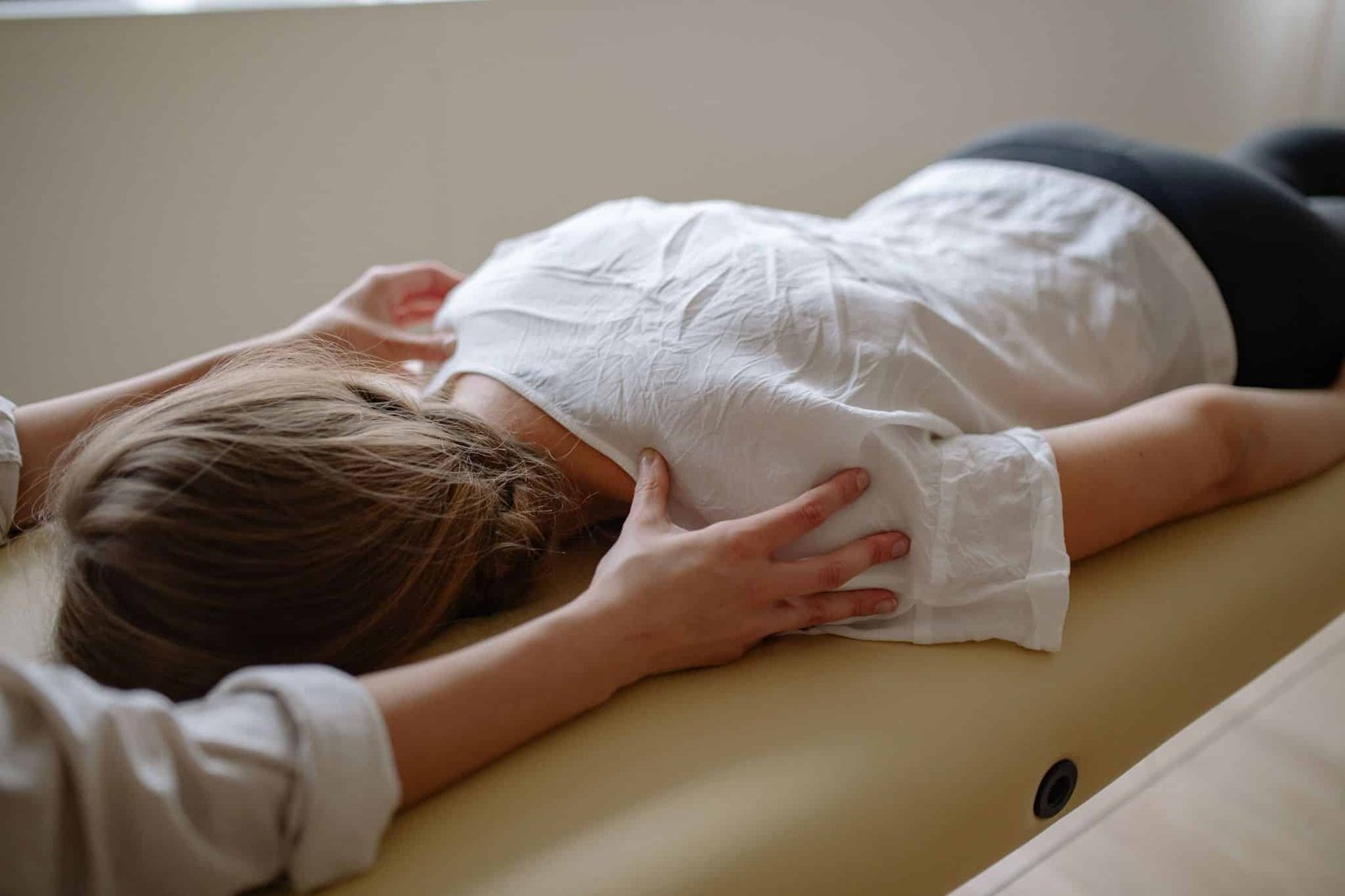
Returning home from a European adventure should feel exhilarating. Instead, many travelers find themselves battling stiff necks, aching backs, and sore shoulders that seem to intensify with each passing hour.
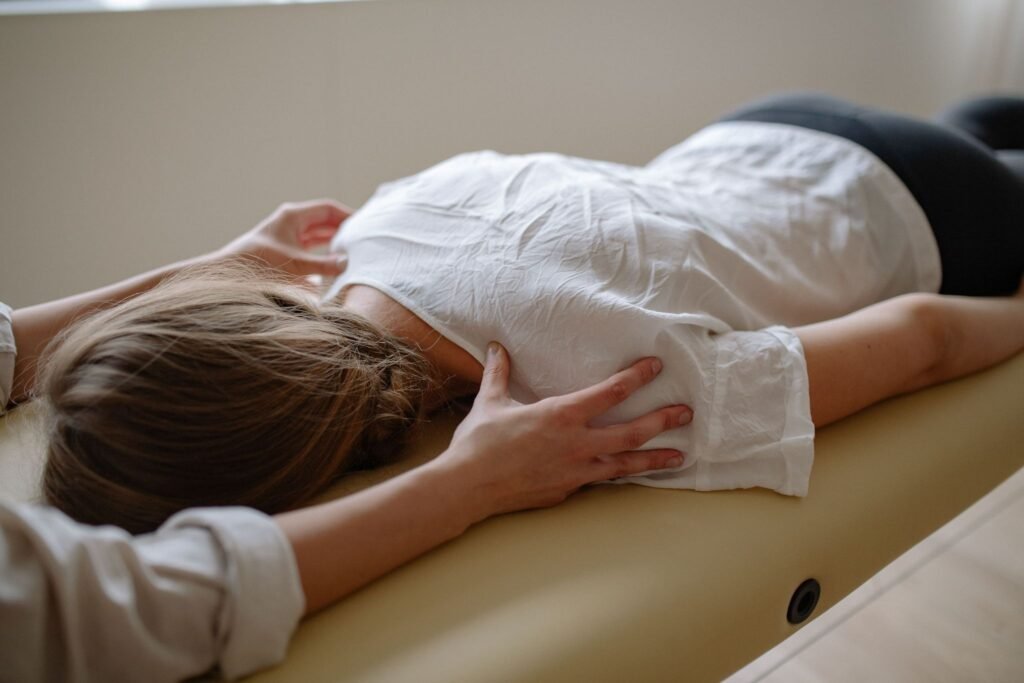
Post-travel sickness is common, as travel can weaken the immune system through sleep disruption, dehydration, stress, and exposure to unfamiliar germs. The physical toll of exploring cobblestone streets, hauling luggage through crowded terminals, and spending hours in cramped airplane seats creates a perfect storm of discomfort that can linger for days.
Travel causes body aches primarily due to the physical stress put on the body during a trip, with long hours of sitting in cramped positions, lifting and carrying heavy luggage, different sleep patterns, and even the stress of organizing a trip
Enjoy Your Event Stress-Free with Euro Travelo
Planning a trip to attend a festival, concert, or business event in Europe can be overwhelming—tickets, travel, accommodation, and local logistics all take time and effort. Euro Travelo makes it simple by providing everything you need through one trusted company. You save time, avoid stress, and enjoy a seamless experience from start to finish.
all contributing to the problem. Understanding why these post-trip pains develop and knowing where to find effective relief can transform your recovery experience and help you get back to your normal routine faster.
Why Travel Takes a Physical Toll
Prolonged sitting inherent to long-haul air travel can acutely decrease lower-limb blood flow and increase brachial blood pressure.
Modern air travel forces passengers into sustained static positions that the human body simply wasn’t designed to maintain for extended periods. Airplane seats compress the natural curve of the spine, placing abnormal pressure on intervertebral discs and surrounding soft tissues.
According to the National Health Interview Survey conducted by the U.S. Centers for Disease Control and Prevention, 39.0% of adults reported experiencing back pain in the past three months.
The confined spaces of economy cabins leave little room for movement or postural adjustments. Passengers remain locked in forward-flexed positions with rounded shoulders and protruding heads, creating muscular imbalances that persist long after landing.
Beyond the flight itself, the entire travel experience compounds physical stress through multiple pathways. Navigating airport terminals with heavy bags strapped across one shoulder creates asymmetrical loading patterns. Rushing to make connections triggers stress hormone release that tightens muscles throughout the body.
Health problems are self-reported by up to 64% of travelers to the developing world, and traditionally, rheumatic symptoms are accorded little significance, but many travelers do return home with musculoskeletal complaints.
Holistic Body Alignment Solutions in Plymouth
When conventional rest and over-the-counter medications fail to resolve persistent post-travel discomfort, many Plymouth residents have discovered targeted relief through specialized body alignment approaches.
Ocean City Chiropractic offers a holistic approach focusing on restoring natural spinal function and nervous system balance following travel-related strain. The practice specializes in identifying lifestyle effects on the body, addressing underlying causes rather than simply masking symptoms with temporary solutions.
Chiropractic techniques address the root biomechanical disruptions caused by extended sitting and awkward sleeping positions during transit. Trained practitioners evaluate how travel has affected spinal alignment, joint mobility, and muscular tension patterns. Through targeted manual adjustments and personalized care plans, they work to restore optimal function and minimize the likelihood of recurring issues.
This natural healthcare modality has gained recognition for its effectiveness in treating common travel ailments affecting the neck, back, and shoulders. The holistic philosophy emphasizes the body’s innate ability to heal when proper alignment is restored and nervous system interference is removed.
Practical Recovery Strategies for Travelers
Immediate post-travel recovery should begin the moment you step off the plane.
Muscle soreness and joint aches are normal after being in different positions or doing tasks your body isn’t used to, and it’s okay to be sore after traveling. Gentle movement proves far more effective than complete rest for resolving travel-related stiffness. Short walks around your neighborhood help restore normal circulation patterns and begin loosening tight muscles.
Targeted stretching addresses the specific problem areas most affected by air travel. Focus on opening the chest and shoulders to counteract the forward-slumped posture maintained during flights. Hip flexor stretches release tension accumulated from prolonged sitting. Gentle spinal rotations restore mobility to vertebral segments compressed during transit.
Hydration plays a crucial role in soft tissue recovery and metabolic waste removal from strained muscles. Airplane cabin air contains humidity levels as low as 10 to 20 percent, significantly drying out mucous membranes and depleting fluid reserves throughout the body. Replenishing lost fluids helps tissues regain elasticity and supports the natural healing process.
Temperature therapy provides additional relief for specific areas of discomfort. Ice applications reduce inflammation in acutely painful joints or muscles, while heat encourages blood flow to chronically tight areas. Alternating between the two modalities can optimize recovery for mixed symptom patterns.
Long-Term Prevention for Frequent Travelers
Building resilience against travel-related aches requires proactive strategies implemented both before and during trips. Core strengthening exercises create a natural muscular corset that supports proper spinal alignment even when seated for extended periods. Regular physical activity prepares the body to handle the unique demands of travel more effectively.
During flights, movement breaks every 30 to 45 minutes significantly reduce the cumulative effects of prolonged immobility. Simple exercises like ankle circles, shoulder rolls, and seated spinal twists can be performed without leaving your seat. Standing and walking the aisle when safe to do so further interrupts the detrimental cascade of sustained sitting.
Ergonomic travel accessories minimize postural strain throughout the journey. Properly designed neck pillows maintain cervical spine alignment during rest periods. Lumbar support cushions preserve the natural low back curve in poorly designed airplane seats. Compression socks improve circulation in the lower legs and reduce swelling during long flights.
Mindful packing strategies prevent the asymmetrical loading patterns that contribute to muscular imbalances. Choose wheeled luggage over heavy shoulder bags when possible. When carrying bags is unavoidable, alternate shoulders frequently and use both straps on backpacks to distribute weight evenly across the body. Keep carry-on items light and avoid overstuffing bags beyond their intended capacity.
Strategic pre-travel preparation sets the foundation for a more comfortable journey. Schedule bodywork appointments in the weeks leading up to major trips to address existing tension patterns before they’re exacerbated by travel. Maintain consistent exercise routines rather than cramming workouts immediately before departure. Prioritize quality sleep in the days preceding travel to ensure your body starts the journey in an optimal state.
Post-trip recovery doesn’t need to derail your return to normal life. By understanding the biomechanical stresses of modern travel and implementing targeted relief strategies, you can minimize discomfort and bounce back faster from even the longest journeys. Whether through professional care, strategic self-care practices, or preventive conditioning, taking control of your physical recovery ensures that wanderlust doesn’t come at the cost of prolonged pain and reduced quality of life.