
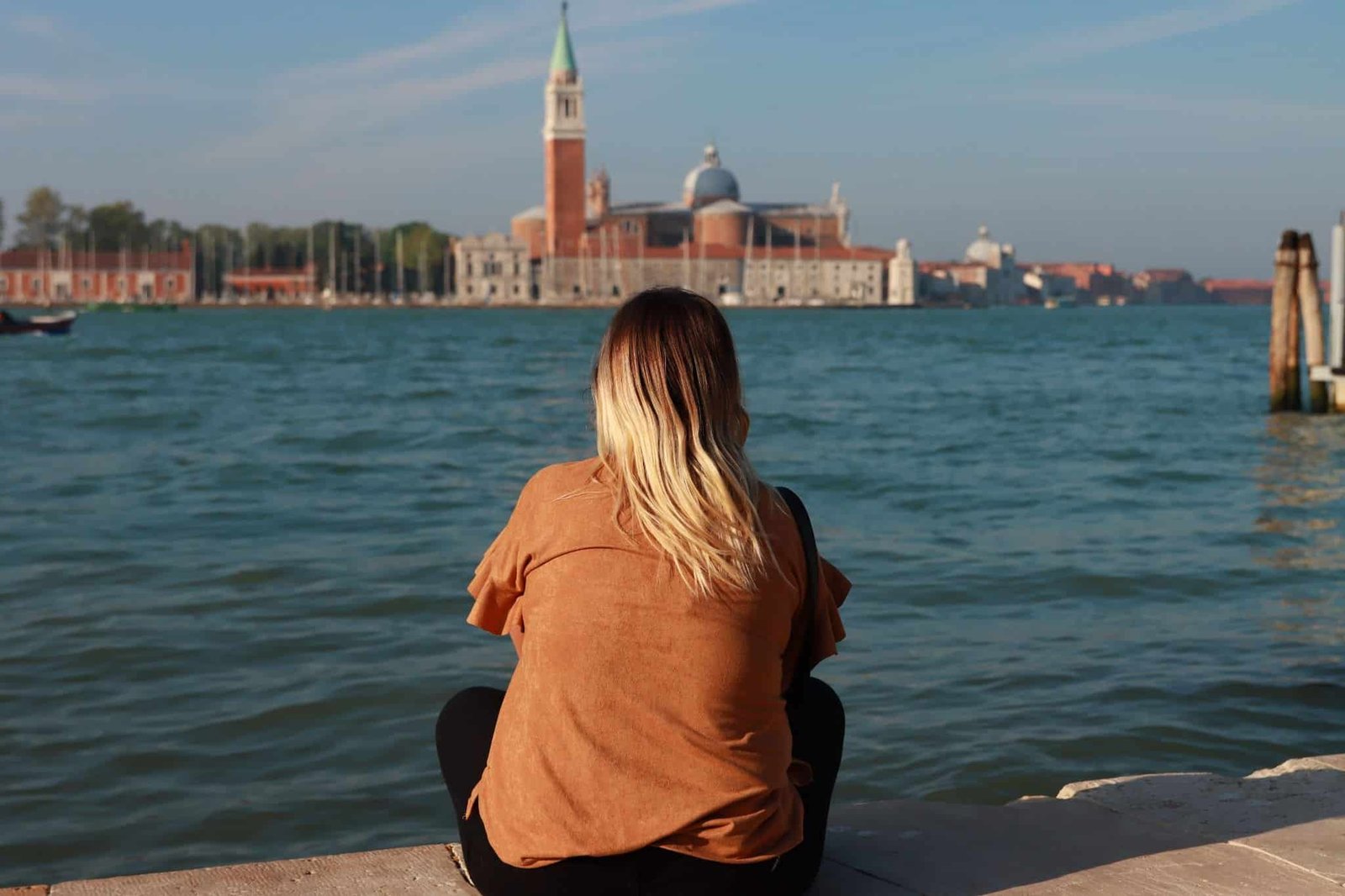
Travelers to Venice often notice something peculiar shortly after arriving in the floating city: their hair simply doesn’t behave the way it does at home.
Strands that cooperated perfectly before boarding the plane suddenly feel heavier, frizzier, or stubbornly resistant to styling. This isn’t an illusion brought on by too much prosecco or the romantic atmosphere of the canals. Venice creates a unique environmental cocktail of humidity, salt air, and water characteristics that fundamentally alters how hair responds throughout the day.
The science behind these changes reveals how deeply our hair reacts to its surroundings, and understanding these factors can transform a potentially frustrating experience into an opportunity to work with your hair rather than against it during your Venetian adventure.
Enjoy Your Event Stress-Free with Euro Travelo
Planning a trip to attend a festival, concert, or business event in Europe can be overwhelming—tickets, travel, accommodation, and local logistics all take time and effort. Euro Travelo makes it simple by providing everything you need through one trusted company. You save time, avoid stress, and enjoy a seamless experience from start to finish.
The Humidity Factor: Venice’s Constant Companion
Venice maintains an average annual humidity of 76 percent throughout the year, creating one of the most consistently moisture-saturated urban environments in Europe.
The city experiences a humid subtropical climate with warm, humid summers and cool, damp winters, meaning visitors encounter elevated moisture levels regardless of season.
Humid air causes hydrogen bonds to form between the proteins in hair, and hair’s chemical structure makes it unusually susceptible to changes in the amount of hydrogen present in the air, which is directly linked to humidity.
Keratin, the fibrous structural protein that makes up hair, consists of polypeptide chains linked by both strong disulfide bonds and weaker hydrogen bonds. When atmospheric moisture increases, these temporary hydrogen bonds break and reform repeatedly, causing hair to swell, curl unpredictably, or lose its styled shape.
The more porous hair strands are, the more moisture they absorb, which results in rough, lifted hair cuticles. Travelers with color-treated, heat-damaged, or naturally curly hair typically experience the most dramatic changes when walking through Venice’s narrow calli and across its iconic bridges.
Adapting Your Approach: Climate-Responsive Hair Strategies
The persistent moisture in Venice’s atmosphere requires a completely different management strategy than most travelers use at home. Professional formulations designed to seal the hair cuticle and prevent moisture penetration become essential tools rather than optional luxuries. Many experienced visitors discover that styling products specifically formulated for high-humidity environments help maintain control throughout long days of sightseeing.
Hair styling products should highlight hair’s natural beauty rather than manipulating it, with each product designed to work with individual strand characteristics to keep hair healthy, fortified, and pliable.
Hair is naturally porous, meaning it can absorb moisture from its environment, and when moisture in the air enters the hair shaft, hydrogen bonds within the hair temporarily break and reform. Successful adaptation involves accepting rather than fighting these structural changes. Deep conditioning treatments applied before travel help strengthen the protective cuticle layer, while leave-in serums create a semi-permeable barrier that moderates rather than completely blocks environmental moisture.
The transition between Venice’s outdoor humidity and air-conditioned hotel rooms or museums creates additional stress on hair structure.
Frequent swimming, saltwater exposure, air conditioning, and repeated transitions between outdoor humidity and indoor climate-controlled environments can all contribute to dehydration and cuticle damage. Planning your styling routine around these environmental shifts rather than maintaining the same approach throughout the day produces noticeably better results.
Salt Air and Lagoon Proximity: The Adriatic Influence
Venice’s location in a lagoon connected to the Adriatic Sea introduces another variable that most inland cities lack: constant exposure to salt-laden air.
Airborne salt particles settle on the scalp and hair throughout the day, and combined with coastal humidity and UV radiation, they create a three-way stress environment that weakens the cuticle layer, disrupts scalp pH, and reduces the elasticity that keeps hair intact.
Salt temporarily adds texture by roughening the cuticle surface, but repeated exposure dehydrates strands and increases brittleness. What might seem like desirable beachy waves during a first afternoon in Venice can progress to genuine structural damage over several days if left unaddressed. The salt accumulation becomes particularly noticeable for visitors staying near the waterfront areas or taking frequent vaporetto rides across the lagoon.
Unlike direct seawater immersion, the gradual accumulation of airborne salt particles is subtle enough that many travelers don’t recognize it as a contributing factor until several days into their trip. Regular rinsing with fresh water becomes more important than usual, and clarifying treatments that remove mineral and salt buildup prove far more effective than simply increasing shampooing frequency.
Understanding Water Quality and Mineral Content
While Venice’s drinking water comes from mainland aquifers and remains safe for consumption, the mineral composition differs from what most visitors encounter at home.
Venetian tap water is often described as neutral or mildly mineralized, with a subtle and refreshing profile resulting from high-quality sources and advanced filtration processes.
Hard water, laden with high concentrations of minerals mainly calcium and magnesium, can leave behind mineral deposits that build up on the scalp and hair strands over time. Even moderately mineralized water interacts differently with hair products than soft water, potentially reducing lather effectiveness and altering how conditioners coat individual strands.
Mineral buildup prevents moisturizers and conditioners from doing their job, as the water forms a salt when mixed with shampoo and creates a residue on the hair and scalp.
Travelers spending a week or more in Venice often notice their hair feeling progressively heavier or more resistant to their usual products. This cumulative effect results from daily mineral accumulation rather than any single washing. Incorporating a chelating or clarifying treatment midway through an extended stay helps reset the hair’s baseline condition, allowing styling products to work as intended during the remainder of the visit.
Working With Venice Rather Than Against It
The most successful approach to managing hair in Venice involves accepting that your strands will behave differently and adjusting expectations accordingly. Rather than attempting to maintain the exact style you wear at home, consider embracing textures and approaches that work with the city’s environmental conditions. Loose, textured styles that incorporate rather than fight natural wave patterns typically require less maintenance and frustration than attempting sleek, straight looks that humidity will inevitably disrupt.
Planning ahead makes a substantial difference in the overall experience. Packing appropriate products designed for humid environments, bringing wide-tooth combs instead of fine brushes, and selecting hairstyles that tolerate moisture exposure rather than require precision control all reduce daily styling stress.
Many frequent Venice visitors develop entirely separate routines they use exclusively when traveling to lagoon cities, recognizing that what works in drier climates simply doesn’t translate to this unique environment.
The same atmospheric conditions that challenge hair care also contribute to Venice’s extraordinary beauty and character. Morning mist rising from the canals, afternoon light diffusing through humid air, and the ever-present connection to water create the atmospheric magic that draws millions of visitors each year.
Understanding and adapting to how these conditions affect your hair transforms potential frustration into simply another aspect of the Venetian experience, no more surprising than discovering acqua alta or navigating the city’s labyrinthine layout without a map.